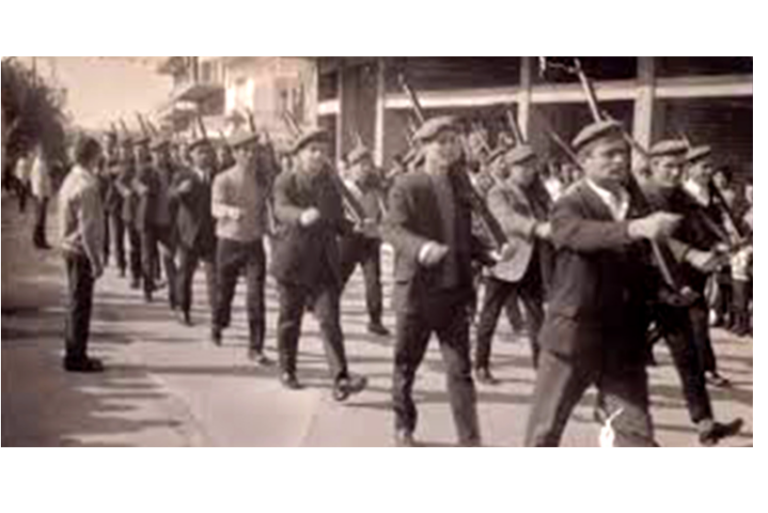
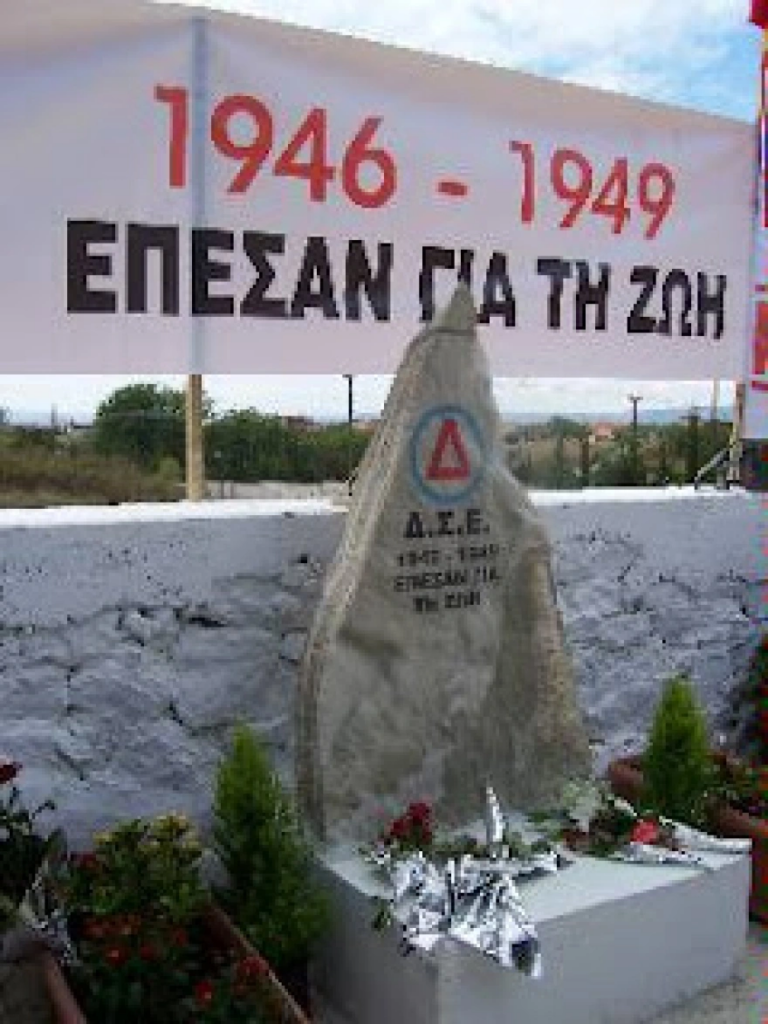
The capture of Karpenisi on January 21, 1949, was the last major success—and at the same time the final effort—of the Democratic Army of Greece during the Greek Civil War. After at least 18 days of occupation by the DSE and a counteroffensive by the Greek National Army under Thrasyvoulos Tsakalotos, the town returned to government control. Following the recapture, the National Army pushed the DSE out of Central Greece (Roumeli), opening the way for the final battles in northern Greece.
One of the main DSE commanders during the operation was Charilaos Florakis, known as Kapetan Giotis, later General Secretary of the Communist Party of Greece (KKE).
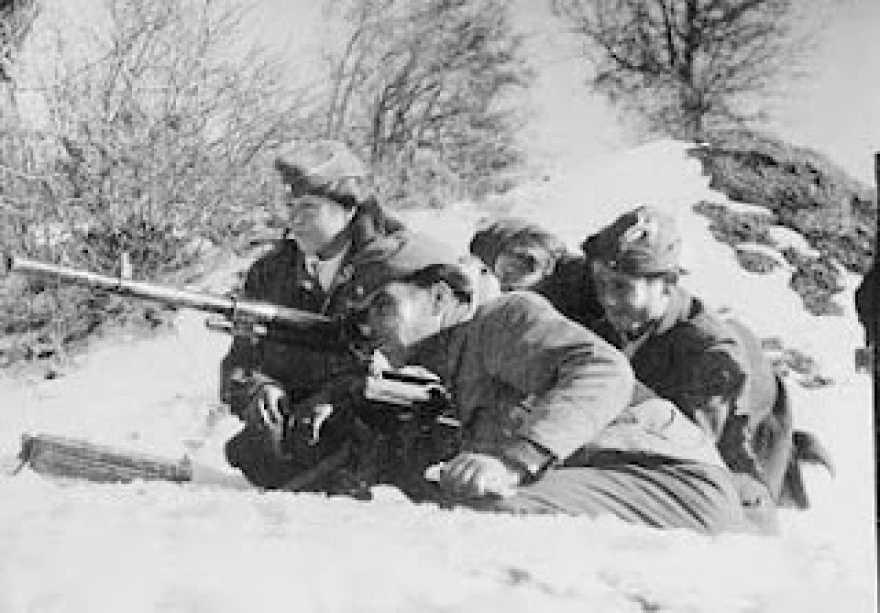
After the liberation from German occupation, Karpenisi was defended by units of the National Army, the Gendarmerie, and local security forces. Over time, defenses were strengthened with fortifications, checkpoints, and additional troops. Despite warnings of an imminent guerrilla attack, preparations proved insufficient.
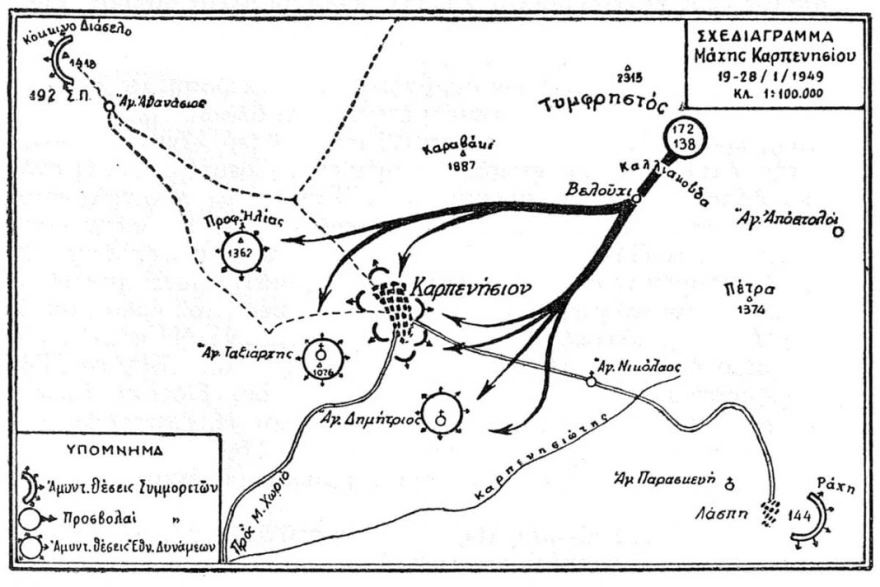
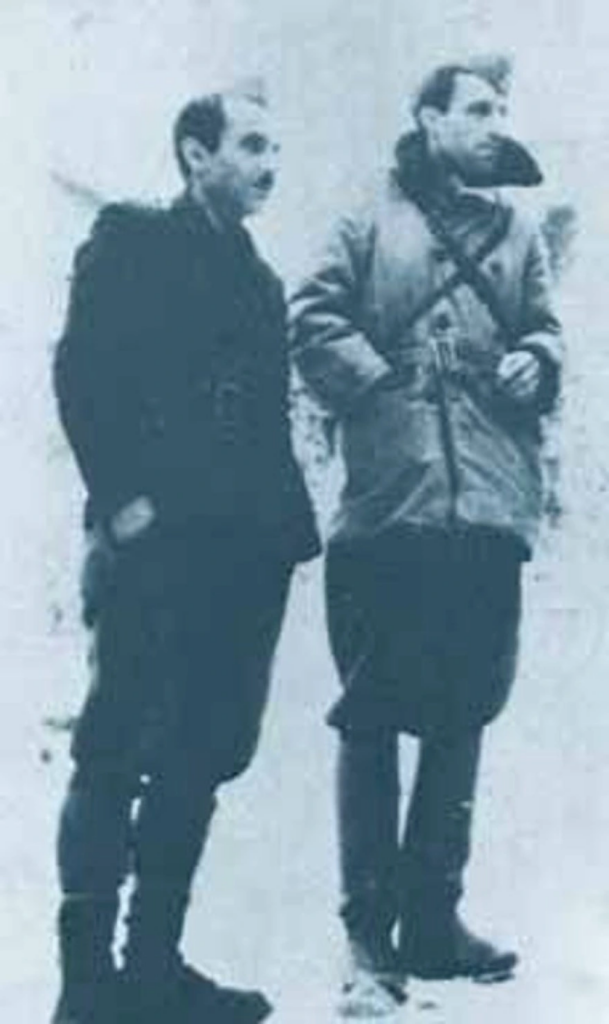
In January 1949, DSE forces gathered in the surrounding mountains and launched a coordinated attack. After heavy fighting, including street battles and the collapse of key defensive positions, the guerrillas captured the town. Casualties on both sides were very high, including soldiers, guerrillas, and civilians.
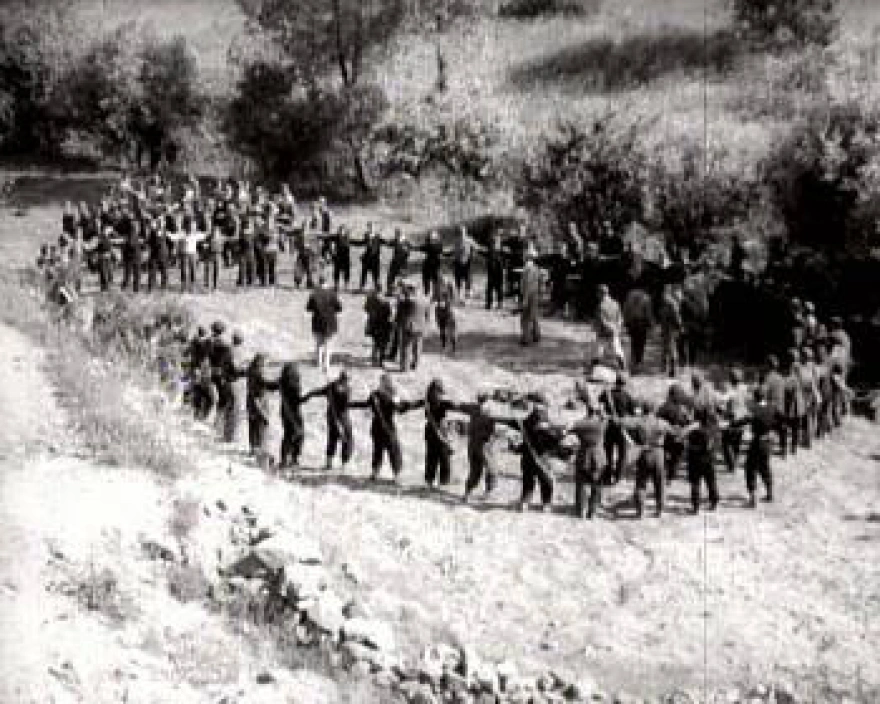
During the occupation, incidents were reported involving executions, looting, and the destruction of buildings, including a hospital. An army aircraft was shot down, killing a Greek pilot and an American officer, an event that highlighted foreign involvement in the conflict.
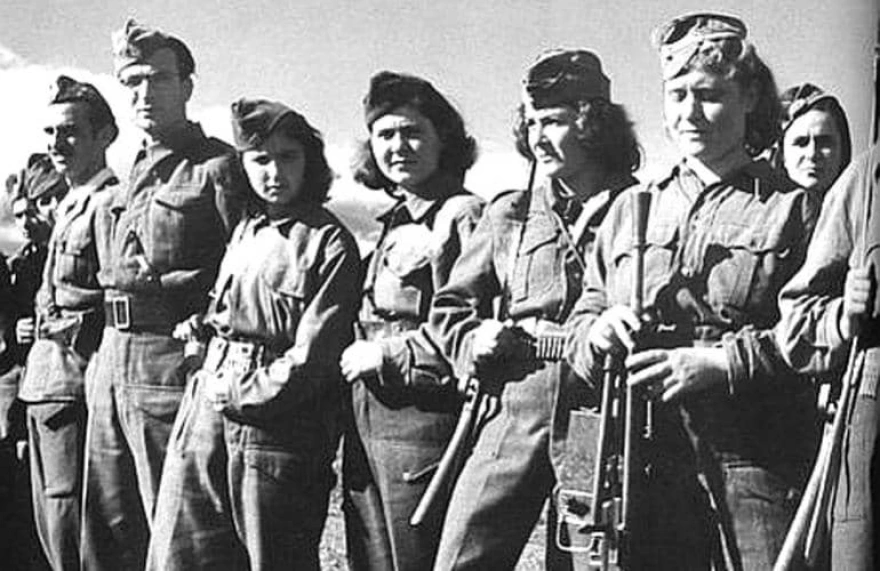
Karpenisi was later retaken by government forces. The battle marked the end of large-scale DSE operations in Central Greece and was a turning point leading to their final defeat later in 1949.
Ask me anything
Explore related questions