





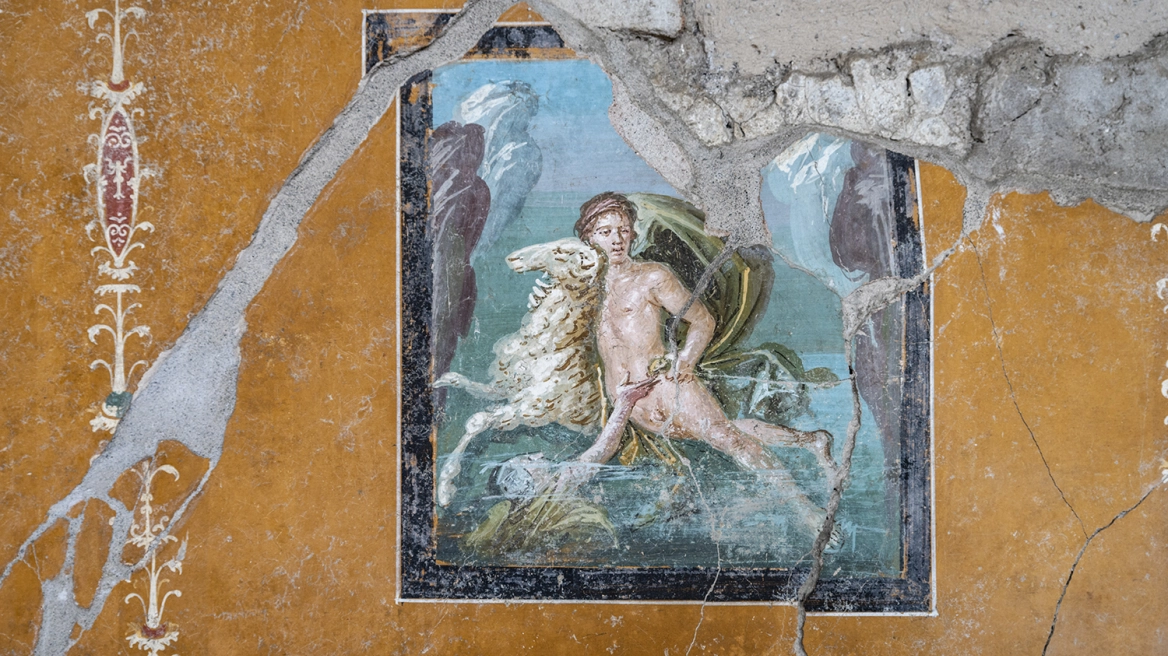
2025 proved to be an exceptionally productive year for archaeological research, with discoveries that not only shift the chronological boundaries of human history but also shed new light on myths, technologies, and societies of the ancient world. Excavations and scientific studies over the past 12 months have revealed that prehistoric and ancient communities were often more complex, more interconnected, and more technologically advanced than previously believed.
Unique Minoan Period Discovery in Crete
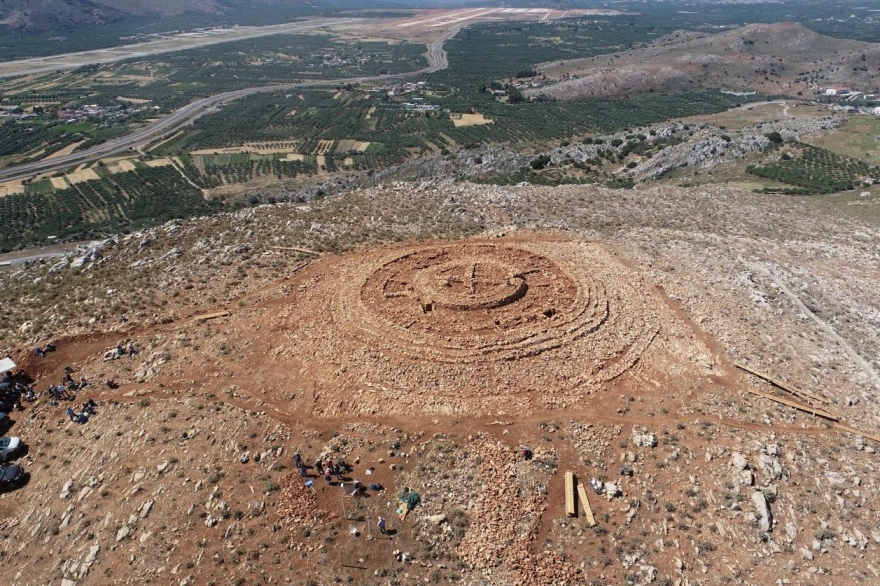
The discovery of a monumental architectural complex approximately 4,000 years old in Kasteli, Crete, became one of the most discussed archaeological topics of the year.
The find, which was accidentally discovered during construction work for a new airport and first came to light in 2024, continues to reveal new information.
Researchers estimate that it is one of the most important archaeological discoveries of the century, as it shows that complex architectural structures existed centuries before the classical Greek narratives that established the myth of the Minotaur.
The evidence supports the view that the legendary labyrinth may have had a real basis, even if the myth transformed it into something symbolic.
5,000-Year-Old Tomb in Spain Reveals Trade Networks
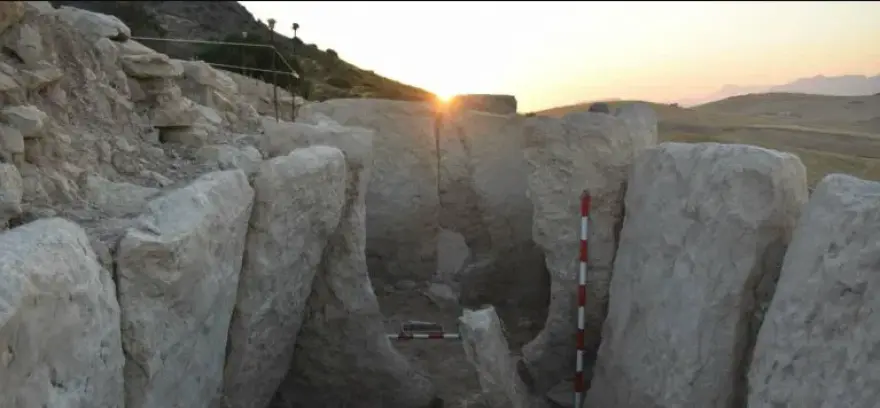
In Spain, the discovery of a 5,000-year-old tomb added a new dimension to the image of prehistoric Europe. The items found inside – including shells from areas far from the sea – indicate that ancient communities maintained extensive trade networks.
As explained by Professor Juan Jesús Candil of the University of Cádiz, the presence of marine objects inland demonstrates both the existence of long-distance trade contacts and the symbolic role of the sea as an element of prestige. The discovery reinforces the perception that prehistoric Europe was not made up of isolated communities, but of a dynamic and interconnected world.
New Findings in Pompeii
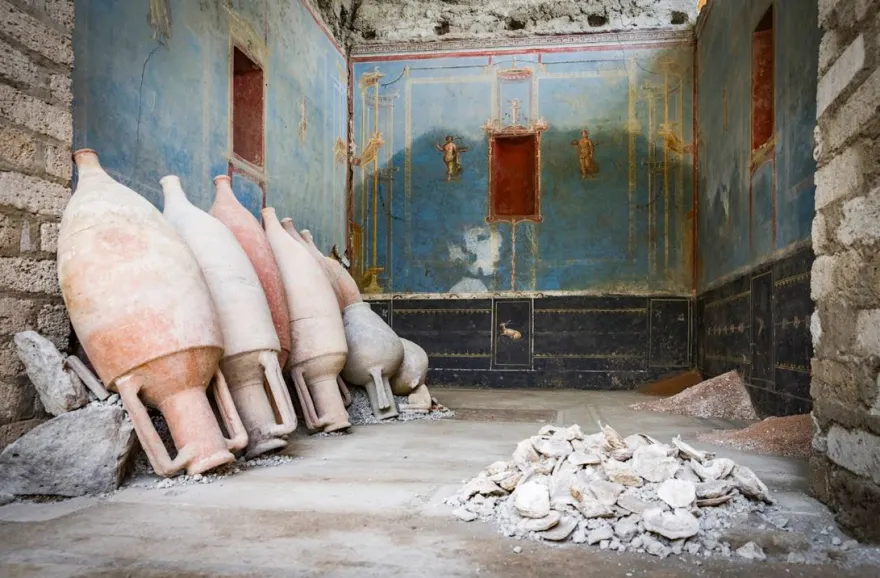
Excavations in Pompeii continued to provide significant surprises in 2025. The analysis of an unusual staircase arrangement, combined with modern 3D digital reconstructions, led archaeologists to identify a “lost” area of the ancient city, destroyed during the eruption of Vesuvius nearly 2,000 years ago.
At the same time, new research on Roman concrete revealed how this material has the ability to “self-heal” over millennia.
MIT scientists decoded the chemical processes that give it durability, paving the way for applications in modern, sustainable architecture.
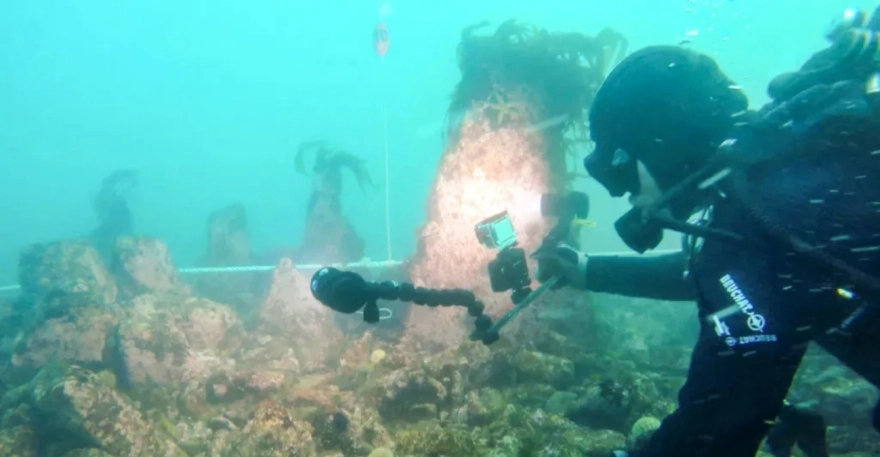
Submerged Megalithic Formations off the Coast of France
Off the French coast, archaeologists identified a series of submerged megaliths approximately 7,000 years old, pushing back the timeline of monumental stone construction in Europe.
The findings suggest that large-scale construction projects took place centuries earlier than previously believed, while rising sea levels may have “swallowed” entire chapters of human history.
It is also interesting that local legends in Brittany speak of a sunken city, the legendary Ys, in the Bay of Douarnenez.
According to a study published in December 2025 in the International Journal of Nautical Archaeology, researchers do not rule out a connection between the legends and the recent discoveries.
New Data on Stonehenge
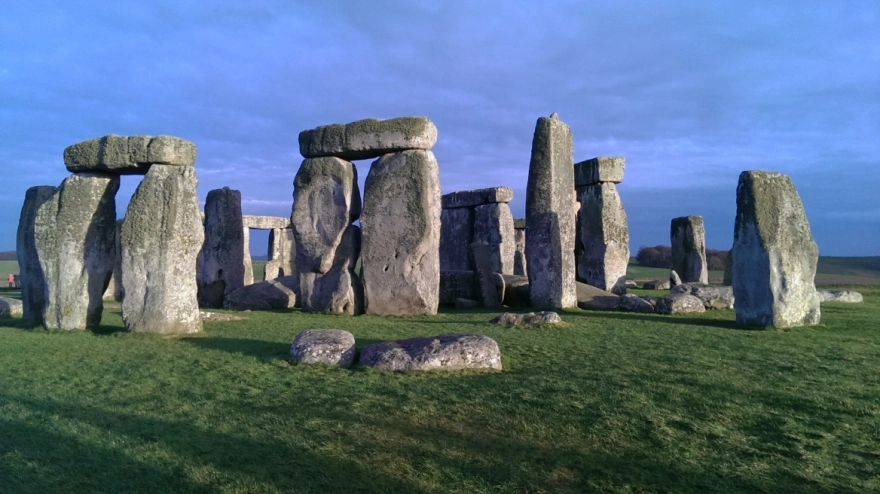
Excavations in the wider area of Stonehenge continued to overturn previous theories about Neolithic Britain.
Among the most important discoveries of 2025 was a massive ring of ancient pits, indicating the existence of a large ritual complex, as well as evidence of coordinated large-scale construction efforts.
At the same time, research on the mysterious Newall megalith disproved the idea that it was moved by glaciers, demonstrating that its placement was the result of human intervention.
The findings support the theory that Stonehenge was part of a broader, carefully designed ritual landscape.
Overall, the discoveries of 2025 show that the ancient world was far more complex and interconnected than we imagined.
Each new finding does not simply add information but forces the scientific community to reassess established notions about the history, technology, and myths of the past.
Ask me anything
Explore related questions




