





Macedonia, Thrace, and Central Greece are the big losers so far over the holidays from cancellations following access difficulties mainly from travellers coming from further afield, while in Peloponnese and Epirus, the picture is much better.
And while this year’s holiday season was predicted to be very good based on bookings, before agricultural mobilizations even for four days, now, as a first picture exporterstotal to destinations around Greece as a result of the agricultural blockades and the inconvenience suffered by travelers on the roads are estimated to average close to 15%-20% nationwide for the Christmas period alone, while the percentages vary depending on the destinations and the distances from the blockades.
“A more complete picture,” says Mr. Angelos Kallias, president of the Association of Hoteliers of Drama and general secretary of the Panhellenic Federation of Hoteliers (POX), “we will have after the Christmas period, since there are destinations that have much higher losses. The most lost destinations are unfortunately located in the poorer tourist regions (ed. which traditionally have these days the most traffic from all year as mountain destinations) and specifically in Northern Greece, Macedonia, Thrace and Central Greece, in Magnesia. So the big loss was created in the regions that are waiting exactly on these days to cover a large percentage of their total turnover, while other destinations e.g. in Peloponnese and Epirus had satisfactory occupancy rates and even though they lost visitors due to the noise and widespread concern about possible road closures, they made up for the losses with last minute bookings. What we are also finding is that in addition to the cancellations made for the holidays – Christmas and New Year’s Day – several of this week’s interim bookings were lost especially by visitors who would have come from further afield.”
At this stage, as the general secretary of the POX states, and for the upcoming New Year’s Day, “whatever damage was to be done with cancellations has been done and we hope in the coming days and up to the Lights that overnight stays will be made up by guests coming from further afield, as happened in some cases of hotels over Christmas.”
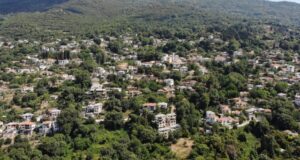
Hoteliers are watching this day by day and continue to hope for last-minute bookings, which are traditionally preferred by Greeks anyway. In fact, as it turned out in the past few days, it was these that saved the …batch during Christmas from travelers who decided to escape literally at the last minute, taking advantage of any offers from hoteliers. This happened for example in Pelion where for the previous weekend and the Christmas holiday the occupancy rates were finally at a much more satisfactory level than expected, reaching even 90%.
However, in addition to the holidays, the loss rates for the period from Christmas through December are much higher for groups, school trips, and conferences that were cancelled, e.g., in destinations in Magnisia, as stated by the president of the local Hotel Owners Association, George Zafiris. There, the percentage of losses in December, before Christmas, reached 50%. Now, in view of the upcoming event, with the fear of inconvenience to excursionists, there is availability, which, under other circumstances, would not exist.
In Eurytania bookings have finally gone better than expected with occupancies close to 80%- 85%, with last minute bookings since the roads opened for the Christmas holidays and last weekend, however now the numbers are lower ahead of the next holiday: Hoteliers are currently seeing stagnation for the next few days with occupancy rates well below close to 60%- 65% so far, however even in this case there is …hope for last minute bookings.
Ask me anything
Explore related questions




