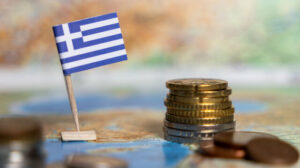
The Greek economy recorded a particularly strong performance in the first nine months of 2025, achieving a significant reduction in the current account deficit by €2.2 billion, which narrowed to €7.0 billion. This development is highlighted in a special chapter of the Bank of Greece’s (BoG) Interim Report for 2025.
Despite ongoing international uncertainties and a still-fragile global environment, this improvement marks a notable strengthening of Greece’s external competitiveness. It reflects the resilience and dynamism of the country’s productive sectors, with tourism, exports, and European funds acting as the main growth drivers.
Based on data up to the third quarter of 2025, the key developments are as follows:
1. Double Export “Gain”
The balance of goods improved markedly, driven by two positive factors:
-
Lower fuel imports: Reduced international fuel prices and lower import volumes led to a contraction of the fuel trade deficit, saving valuable resources for the economy.
-
Growth in non-fuel exports: Greek firms demonstrated strong competitiveness, with exports of goods excluding fuel increasing by 5.7% in constant prices, significantly outpacing the corresponding rise in imports (2.2%).
This export growth was led by traditionally strong sectors, primarily Food, Beverages and Tobacco, as well as Chemicals and Basic Metals.
2. Tourism with a Focus on “Quality”: +9.0% in Receipts
The services balance strengthened substantially, confirming tourism’s central role in the economy. Travel receipts rose by 9.0% year-on-year at current prices, exceeding 2024 levels.
Across Europe, the value of tourism increased by 9.9% at current prices, with Greece closely aligned with this trend. The rise in receipts was driven by:
-
a 4.0% increase in non-resident arrivals, and
-
a 4.3% increase in average expenditure per trip.
According to the BoG report, the increase in spending per night reflects not only higher prices but also qualitative improvements in tourism offerings, including upgraded accommodation and new investment in the sector. Moreover, the rising share of receipts in major island destinations confirms the successful extension of the tourist season.
3. European Funds and Agricultural Subsidies Strengthen the Economy
The capital account recorded a surplus, reflecting the effective absorption of European funding:
-
Recovery and Resilience Facility (RRF): The disbursement of the fifth tranche bolstered general government finances, with total receipts of €3.1 billion (€1.3 billion in grants and €1.8 billion in loans).
-
Agricultural subsidies: Subsidies reached €2.3 billion in the first nine months of 2025. According to European Commission data, Greece remains above the EU average in disbursements under the 2021–2027 Multiannual Financial Framework, confirming its strong and consistent absorption capacity, particularly for the primary sector.
4. “Vote of Confidence” from Foreign Investors
Foreign direct investment (FDI) inflows remained at elevated levels, reaching €8.6 billion in the first nine months of 2025, underscoring continued international confidence in the Greek economy.
Ask me anything
Explore related questions