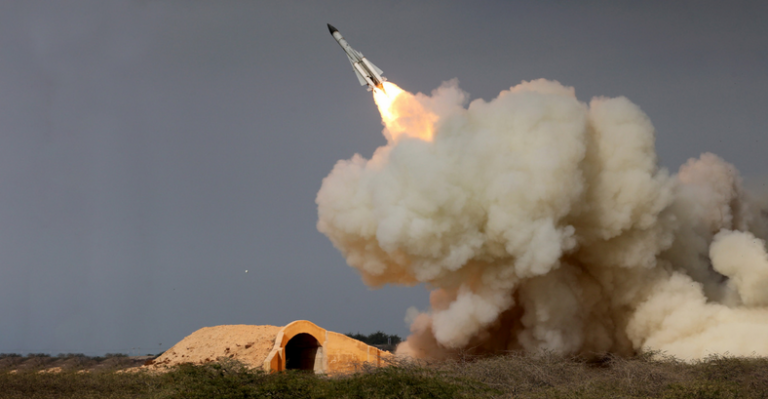
The ongoing conflict in the Middle East between Iran, Israel, and the United States has evolved into a massive exchange of missiles and drones across the region. In recent attacks, hundreds of Iranian ballistic missiles and drones were launched toward targets across more than ten countries, creating what witnesses described as a “storm of light” over Israeli skies. As strikes continue from both sides, military analysts are beginning to ask a critical question: which side will be able to sustain this intense missile war the longest?
According to statements made by Donald Trump, U.S. and Israeli forces could maintain their current level of military pressure for “four to five weeks” if necessary. However, some experts argue that maintaining such a pace may be more difficult than expected. Ongoing military commitments, including support for Ukraine, have already strained parts of the American weapons supply chain, raising concerns about ammunition and missile production capacity.
While the size of Israel’s arsenal remains largely classified, much of the focus has shifted to Iran’s capabilities. Iran has spent decades building one of the largest missile programs in the region, with estimates suggesting it possesses thousands of ballistic missiles. Despite this large stockpile, analysts say Tehran faces challenges in maintaining cutting-edge technology due to long-standing international sanctions and restrictions that limit access to advanced components such as microchips and precision-guidance systems.
Still, Iran demonstrated the scale of its arsenal in recent attacks, reportedly launching more than 300 missiles and drones within a single day. According to estimates from the Israel Defense Forces, Iran may currently have around 2,500 ballistic missiles, though many have been destroyed or used in previous confrontations. As the missile exchanges continue and production lines on both sides struggle to keep up with demand, the key strategic question remains: which military power will run out of weapons first in this high-intensity conflict.
Ask me anything
Explore related questions