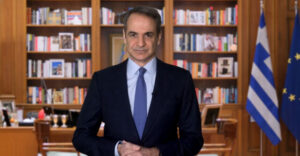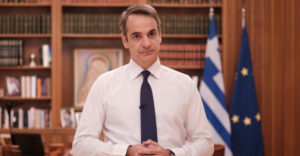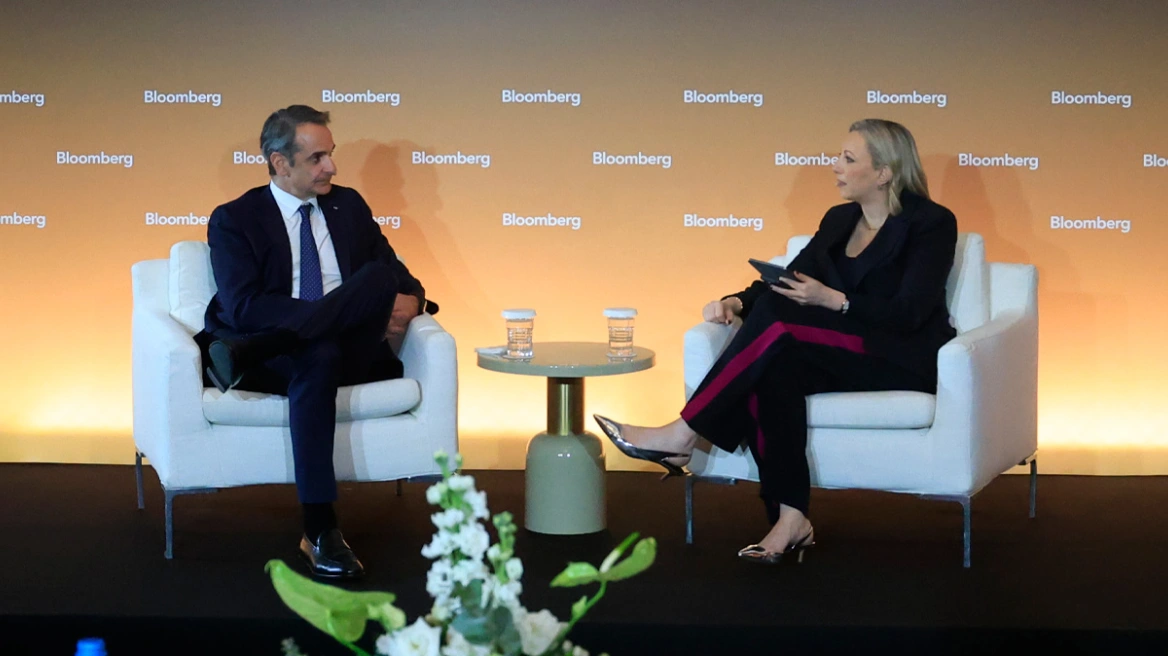
Prime Minister Kyriakos Mitsotakis is taking part in the “Greek Energy: The New Era” conference organized by Bloomberg in Athens.
“The Eastern Mediterranean must be a top priority for Europe,” the Prime Minister said, referring to developments in the Middle East as well as Greece’s defense assistance to Cyprus, also recalling the “Aspides” operation.
“Europe will not be militarily involved, but we must address the economic and political consequences,” he said. Europe is focusing on this, without ruling out the possibility of an energy shock, while expressing hope that the conflict will not last long.
“We have experience managing crises. Europe’s handling of the 2022 crisis, after the war in Ukraine, should be evaluated,” he emphasized. The key issue is the cost of energy. Beyond renewable energy sources (RES) and natural gas, the country will need to discuss other forms, such as nuclear energy, but that is a discussion that will take place. At the same time, he noted that any measures should be targeted and of a specific duration.
Acknowledging that there is concern, Mr. Mitsotakis appeared optimistic, which he said is due to Greece’s economic indicators. The country is growing, meeting its fiscal targets, and its economy is developing faster than the European average. That is why the government has implemented measures such as tax relief for young people and families with children.
Mr. Mitsotakis stated that the key issue is the Strait of Hormuz. No one knows how long it will last, but the longer the crisis continues, the higher the cost will be. Greece has so far not felt the impact of the crisis due to its energy mix. Beyond current interventions, there will need to be a broader discussion in Europe on energy, and he expressed concern about the European gas emissions regulation, raising issues of competitiveness.
Mr. Mitsotakis is speaking with journalist Francine Lacqua on the topic of energy.
Ask me anything
Explore related questions