





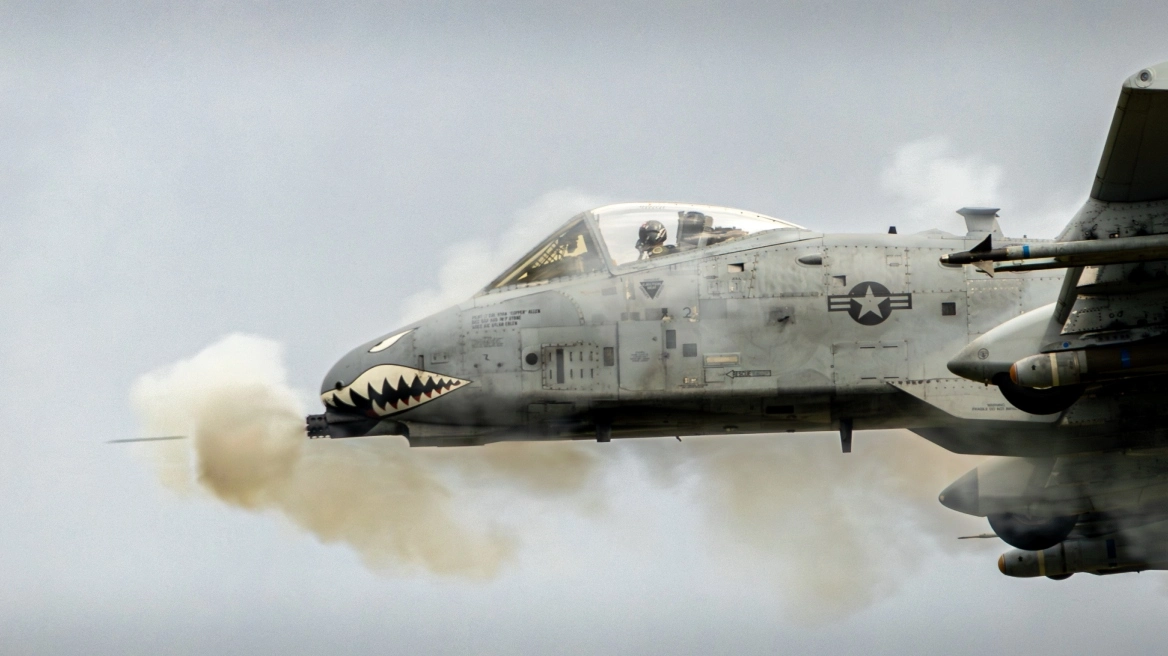
The United States appears to be stepping up efforts to reopen the Strait of Hormuz, sending fighter jets to target Iranian vessels and Apache helicopters to shoot down Iranian drones, according to a Wall Street Journal article citing U.S. military officials.
According to the report, the Pentagon’s intensification of the operation aims to reduce threats from Iran, which has disrupted navigation through the Strait since early March. If the threat diminishes, the U.S. could send warships through the Strait—as Donald Trump has pledged—to escort vessels in and out of the Persian Gulf, thereby “freeing” oil and fuel trade.
However, the Wall Street Journal notes that it may take weeks for the U.S. to clear Iranian strategic networks, which have caused major disruptions at this critical chokepoint handling 20% of global oil exports and a large portion of commercial shipping.
During a Pentagon press briefing, Air Force General Dan Cain, chairman of the Joint Chiefs of Staff, revealed the operation, stating that heavily armed A-10 warplanes, also known as Warthogs, as well as Apache helicopters, are conducting missions over the Strait or along Iran’s southern coast.
“The A-10 Warthogs are now active on the southern front, striking fast-attack vessels in the Strait of Hormuz,” Cain told reporters. He added that Apaches “have joined the fight on the southern front.”
He also noted that some allies, without naming them, are using Apaches to “counter attacks from one-use drones,” which are among Iran’s most effective weapons against neighboring Arab countries and their energy infrastructure in the Persian Gulf.
Meanwhile, oil prices fell early Friday morning in Asian markets, hours after Israeli Prime Minister Benjamin Netanyahu’s press conference last night, during which he claimed that Iran is being “decimated” and that the war could end “faster” than expected.
Brent crude for the North Sea fell 2.55% to $105.88 per barrel around 03:40 (Greece time), after approaching $120 the previous day.
Meanwhile, U.S. benchmark WTI crude fell 2.46% to $93.20 per barrel. The Israeli prime minister’s statements “calmed” the market, according to Steven Innes of SPI Asset Management.
Ask me anything
Explore related questions




