Tehran’s initial response to the US proposal was not positive.
Iran’s initial response to the US proposal to end the war was not positive, a senior Iranian official told Reuters, adding that Tehran is still reviewing it.
The official noted that Iran’s initial response was delivered to Pakistan in order to be conveyed to the United States.
Hezbollah rejects talks with Israel while attacks continue
Hezbollah leader Naim Qassem said that no negotiations with Israel can take place as long as military operations against Lebanon continue, describing such a scenario as a “forced surrender.”
In a statement released via Telegram, he argued that the demand for exclusive control over weapons to satisfy Israeli terms—while operations and the presence of Israeli forces continue—constitutes a development that, as he said, leads to the weakening of Lebanon.
“Negotiating with the ‘Israeli’ enemy under fire amounts to forced surrender and deprives Lebanon of all its capabilities. Negotiations with an enemy that occupies territory and attacks daily are completely unacceptable,” he added.
Iran’s 5 conditions to end the war: Trump’s demands in the 15-point plan seen as “excessive”
Iran reviewed the 15-point proposal attributed to Donald Trump to end the war and “considers the demands excessive,” according to an official cited by Iranian state television.
According to the same official, Tehran has made it clear that hostilities will end only when its own conditions are met, emphasizing that “Iran will end the war at a time of its own choosing, provided its terms are satisfied.”
The official also stressed that “Iran will not allow Trump to dictate the timeline for the end of the war.” According to the same information, Tehran informed Washington through an intermediary channel that it will continue to defend itself, setting out five key conditions under which it could agree to end the conflict.
These include a halt to “attacks and assassinations,” as well as the establishment of specific mechanisms to ensure that Iran will not be targeted again. At the same time, Iran is demanding clear guarantees for compensation for war-related damages, as well as the cessation of hostilities on all fronts and for all groups involved in the regional conflicts.
Additionally, Tehran is seeking international recognition and guarantees regarding its sovereignty over the Strait of Hormuz, a crucial passage for global shipping and the energy market.
These developments come amid conflicting statements about whether negotiations are underway. Pakistani officials earlier confirmed that Iran received the US 15-point proposal to end the attack attributed to the US and Israel.
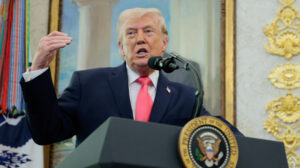
Donald Trump had claimed that Washington is in talks with Tehran for a ceasefire, stating that the US is speaking with the “right people” in Iran and that they “very much want to reach an agreement.” However, Iranian officials have repeatedly denied that direct negotiations with the United States are taking place.
Airstrikes target positions of Iraqi paramilitary forces in Al-Habbaniyah
A source from the Iraqi police told Al Jazeera that airstrikes hit positions of the Popular Mobilization Forces (PMF) in Al-Habbaniyah, in the western province of Anbar.
The source did not specify who carried out the attack.
Diplomatic off-ramps are necessary for the US and Iran, says former Pakistani ambassador
Masood Khan, former Pakistani ambassador to the US and the UN, said that beyond reports and statements from US and Iranian leaders, there are strong indications that all sides need a “diplomatic exit” to limit the massive strategic and economic damage.
“Historically, the more intense a war, the greater the need for de-escalation pathways,” he told Al Jazeera.
“The military escalation unfolding alongside behind-the-scenes diplomacy aims to demonstrate the deterrent power of the countries involved. This does not necessarily undermine talks, but it raises the level of risk in many areas and limits political space for compromise.”
However, the former diplomat noted that in the current context there is a huge deficit of trust, especially on Iran’s side, as the US attacked the country while two rounds of talks were still underway and had not yet concluded.
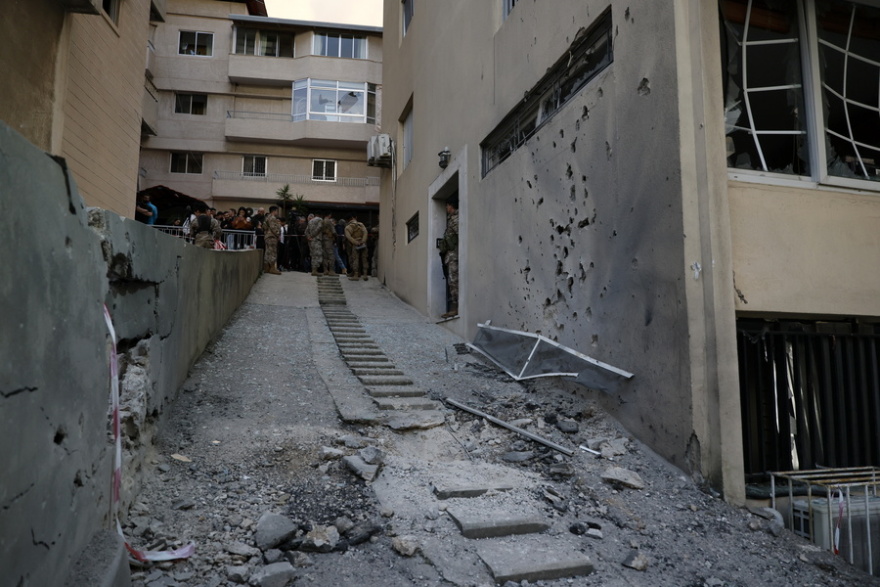
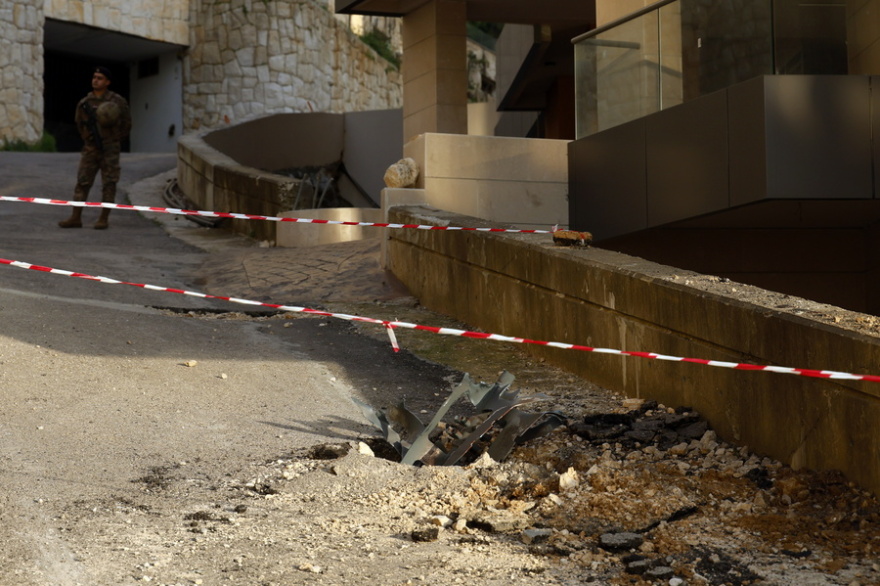
Images from the Israeli strikes in Beirut
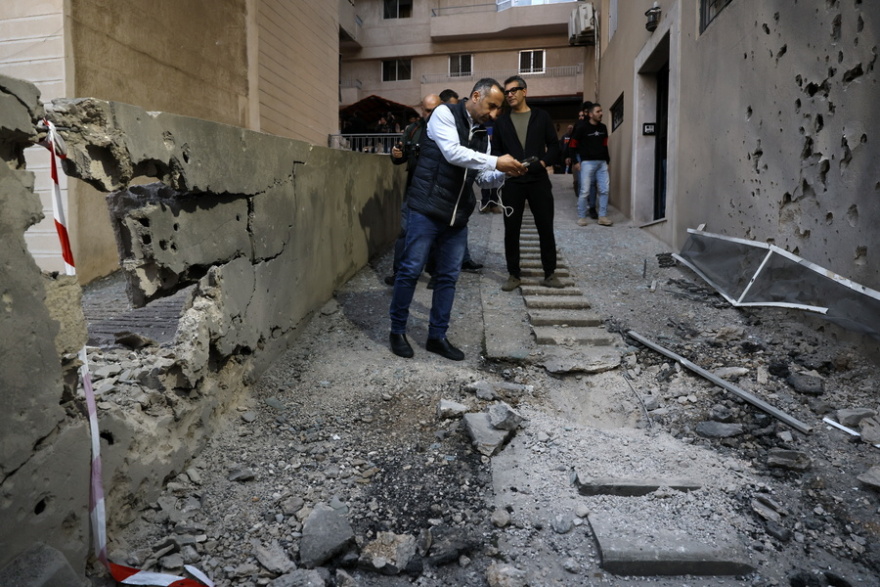
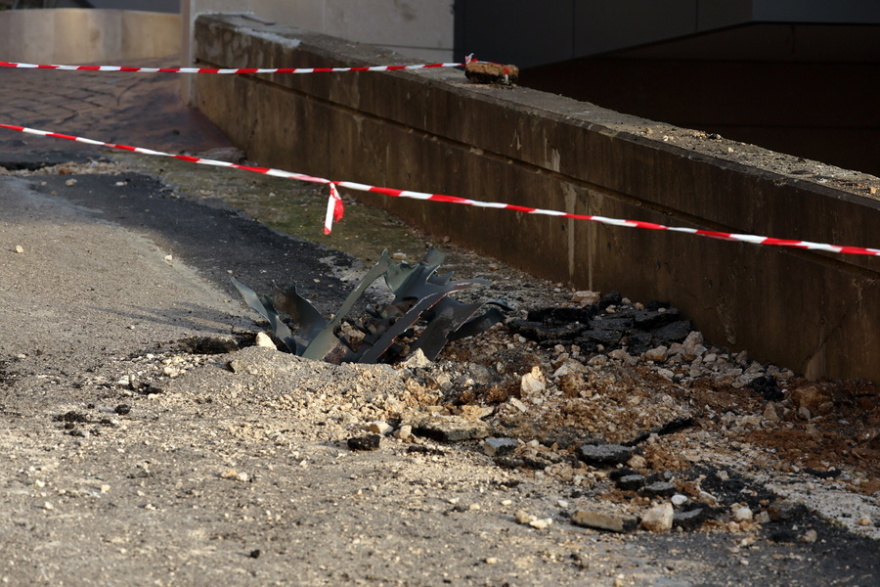
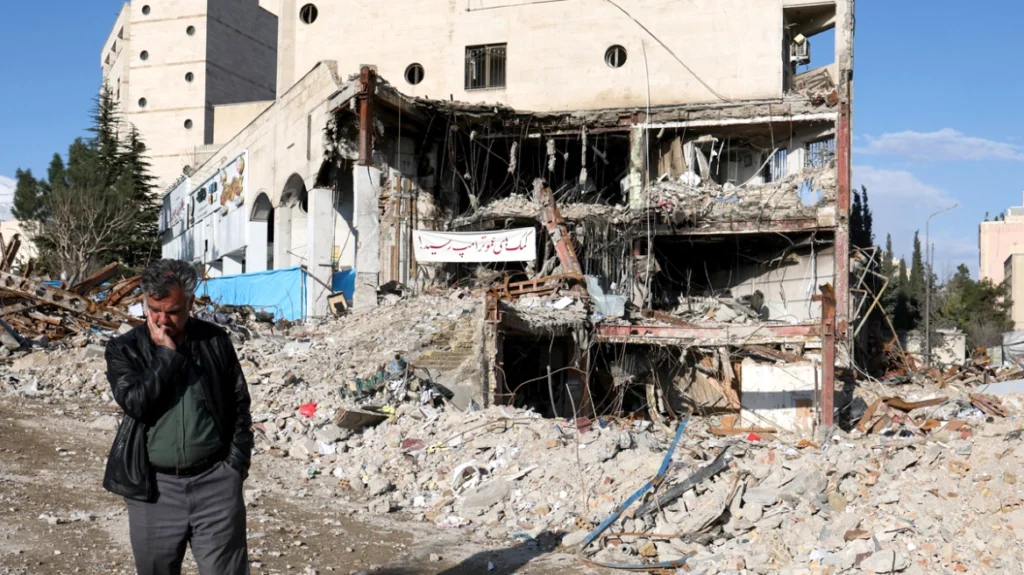
At least 9 dead in Lebanon
Israel continues its offensive in Lebanon, where at least nine people have been killed in airstrikes targeting communities in southern Lebanon, considered a stronghold of the Shiite movement Hezbollah, according to Lebanon’s official news agency ANI.
The Israeli military also ordered residents of seven neighborhoods in southern Beirut—another Hezbollah stronghold aligned with Iran—to evacuate urgently ahead of bombardments.
Since Lebanon was drawn into the war on March 2, Israeli bombardments have killed more than a thousand people and displaced over a million, according to authorities.
Israeli Defense Minister Israel Katz said yesterday that the country’s military had been ordered to “maneuver inside” Lebanon and establish a “forward defensive line” up to the Litani River, about 30 km from the border between the two countries, defying calls—especially from France—not to launch a ground invasion or attempt to seize Lebanese territory.
Fire in fuel tank in Kuwait
In Kuwait, a drone strike caused a fire in a fuel tank at the emirate’s international airport, according to the civil aviation authority, which reported no casualties.
What Iran demands to return to ceasefire talks with the US
Iran has set strict conditions for returning to ceasefire talks with the Trump administration.
According to people familiar with the matter, Tehran is demanding significant concessions, including:
- Closure of all US bases in the Gulf
- Compensation for attacks against Iran
- A new regime in the Strait of Hormuz allowing Iran to collect transit fees
- Guarantees that war will not resume
- An end to Israeli attacks on Hezbollah
- Full lifting of sanctions
- The right to maintain its missile program without restrictions
A US official described the demands as unrealistic, while Arab and American officials said they make reaching an agreement even more difficult.
At least 243 students and educators killed in Iran since start of war
At least 243 students and educators have been killed since the war began on February 28, according to an official from Iran’s Ministry of Education.
Saudi Arabia says 25 drones and a ballistic missile intercepted overnight
Saudi Arabia’s Ministry of Defense announced early in the morning that dozens of drones and a ballistic missile were intercepted.
The US and Israel attacked Iran on February 28; the war has spread across the Middle East. Tehran is retaliating against Israel and Washington’s allies in the Gulf, targeting military and energy installations and other infrastructure.
According to a series of Defense Ministry statements posted on X between 01:42 and 04:41, 25 drones and a ballistic missile were intercepted, most of them over the eastern part of the kingdom.
Iranian military spokesperson: The US is negotiating with itself
The US is negotiating with itself, said a spokesperson for the Iranian military, according to state media, one day after US President Donald Trump said Tehran wants to reach an agreement to end the war in the Middle East.
A 15-point plan aimed at ending the war, drafted by Washington, was conveyed to Tehran, a source familiar with the matter told Reuters yesterday.
“Has the level of your internal conflict reached the point where you are negotiating with yourselves?” said Ebrahim Zolfaghari, spokesperson for Iran’s Khatam al-Anbiya Central Headquarters.
“People like us can never get along with people like you.”
Zolfaghari added that US investments and pre-war energy prices will not return as long as Washington does not accept that regional stability is guaranteed by Iran’s armed forces.
Ask me anything
Explore related questions