


European Commissioner Dan Jørgensen has urged European capitals to present measures to reduce oil and natural gas consumption—especially in transport—as the EU’s 27 member states prepare for possible supply disruptions in the Strait of Hormuz amid the conflict with Iran.
In a letter dated March 30, energy ministers are asked to map available market capacity and propose practical measures to curb demand. This intervention comes as ministers hold an emergency meeting on Tuesday to address a global shortfall of 11 million barrels of oil per day and more than 300 million cubic meters of LNG daily.
Energy and finance ministers of the G7 said on Monday that they are closely monitoring the impact of the conflict with Iran on the energy market and overall economic stability, and that they are ready to take “all necessary measures” to safeguard the market.
Although no specific actions—such as the release of strategic reserves—have yet been agreed, the discussions are paving the way for today’s EU assessment.
Rising prices are already making transport more expensive, Jørgensen noted, calling on European countries to coordinate in order to ensure the availability and affordability of diesel and aviation fuels.
While overall oil supply remains manageable for now, concerns are growing over diesel and jet fuel, where Europe still relies heavily on imports from Saudi Arabia and Kuwait. Around 20% of the diesel consumed in the EU and the United Kingdom comes from the Gulf region.
Important meeting of @G7 Energy&Finance Ministers today with my EU colleague @Vdombrovskis.
— Dan Jørgensen (@DanJoergensen) March 30, 2026
With the crisis in the Middle East, we are facing turbulent times and significant volatility in global energy markets.
We must show unity and leadership. ↓
Fewer journeys and flights to save energy
The European Commission has expressed concern about the EU’s dependence on the Gulf region for diesel and aviation fuels, the limited number of alternative suppliers, and insufficient refining capacity within the Union.
According to the letter, member states are urged to postpone refinery maintenance work in order to maintain production, while also considering biofuels as an alternative solution.
Data shows that imports of aviation fuel and kerosene into Europe stood at 1.064 million metric tonnes in March, compared to 1.111 million in February.
A source from the European aviation sector told Euronews that “if this situation continues, there will be serious problems in the summer—flight cancellations will be the only solution.”
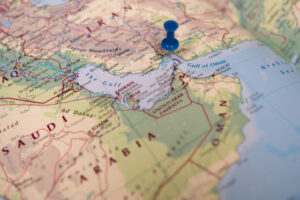
EU governments are also being urged to ensure sufficient natural gas reserves for the upcoming winter without triggering price increases or market disruption. Jørgensen stressed that an effective closure of the Strait of Hormuz—a critical route for around 25–30% of global oil and 20% of LNG—would already place significant pressure on international markets.
At the same time, Brussels is calling on member states to proceed with “early preparation” for a “potentially prolonged disruption.”
The EU depends on global fossil fuel markets, directly competing with other consumers. In the current environment of limited oil and gas supply, increased competition is intensifying price and supply volatility, even leading LNG tankers originally bound for Europe to be diverted to Asia for higher profits.
The conflict has already pushed Brent crude to $119 per barrel, up from around $70 before the war, with analysts warning that prices could surge to as much as $200 under extreme scenarios.
Similarly, natural gas prices could return to levels seen during the 2022 energy crisis, when the EU lost approximately 44–45% of its Russian imports following Moscow’s invasion of Ukraine.
Ask me anything
Explore related questions