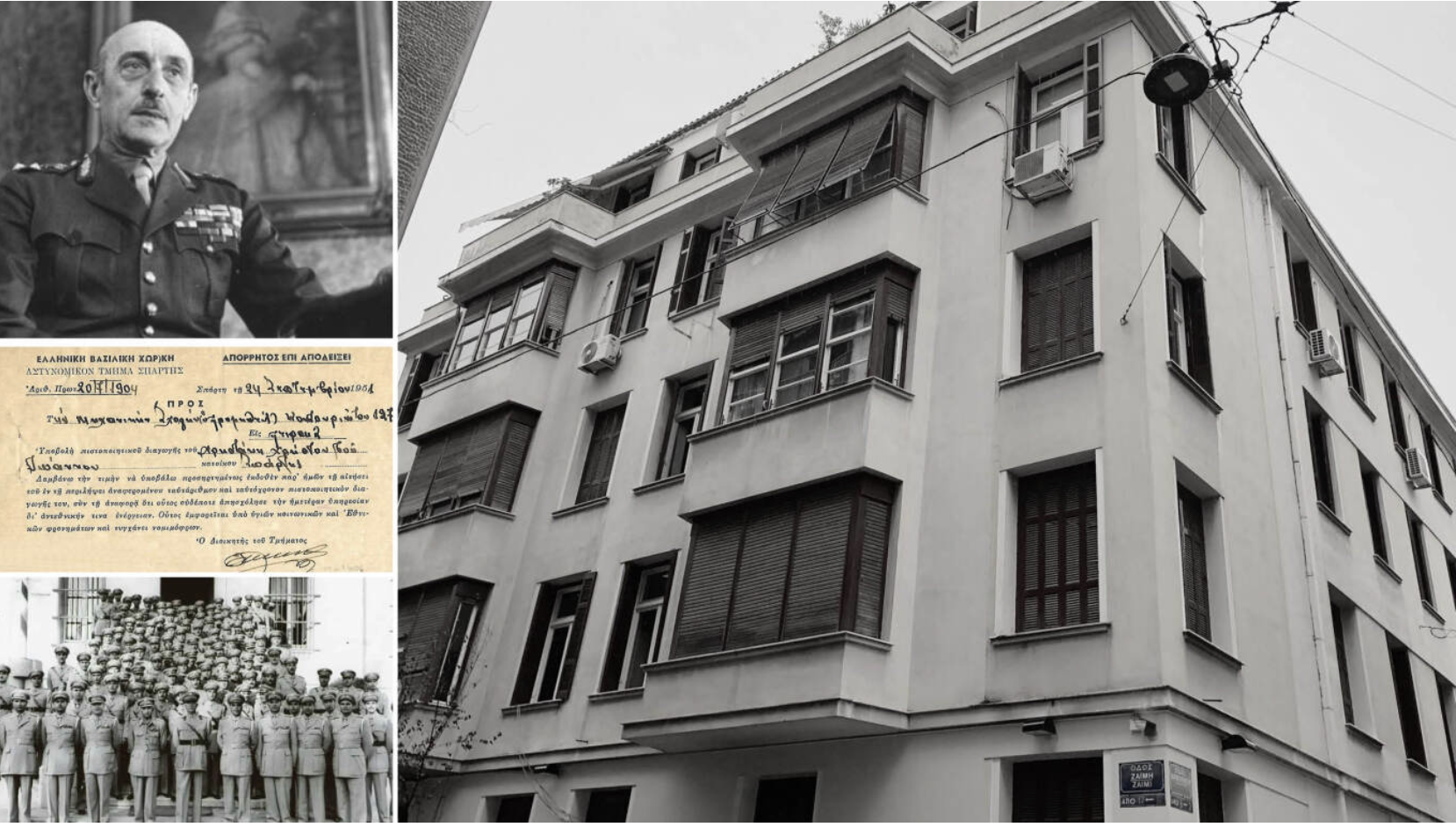
In 1953, in post–civil war Greece, the Central Intelligence Service (KYP) was established. Its first—and longest-serving—director, Alexandros Natsinas from Siatista, had submitted a report proposing its creation as early as 1949. The name of the service reflected its direct connection, as it was essentially a translation of the CIA, of which it functioned as a branch. KYP initially operated on Merlin Street and later on Bouboulinas Street. The conditions of the time reflected the characteristics of the Cold War, with intense polarization and strong anti-communism. This exact climate is captured in the 123 documents from the early years of KYP, which were declassified and released today. They span approximately 2,000 pages and cover the agency’s first years of operation from 1953 to 1959.
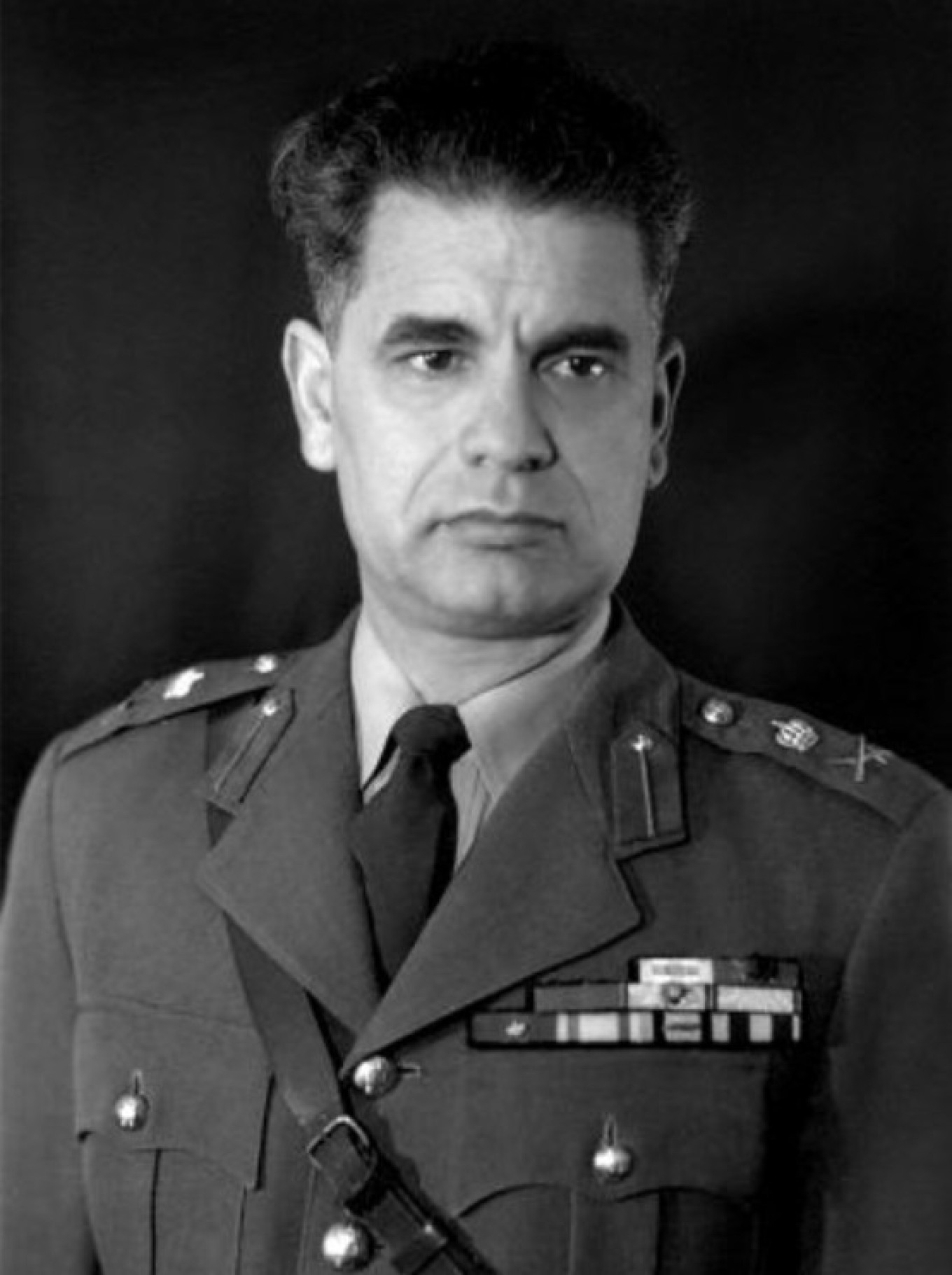
Alexandros Natsinas, first head of KYP
As noted, the material includes intelligence bulletins, assessments, and analyses concerning, among other things, countries of the Soviet bloc, the activities of Greeks abroad, and the internal situation in relation to communist activity. Their themes, evaluations, and phrasing are strongly influenced by the perceptions and priorities of that era.
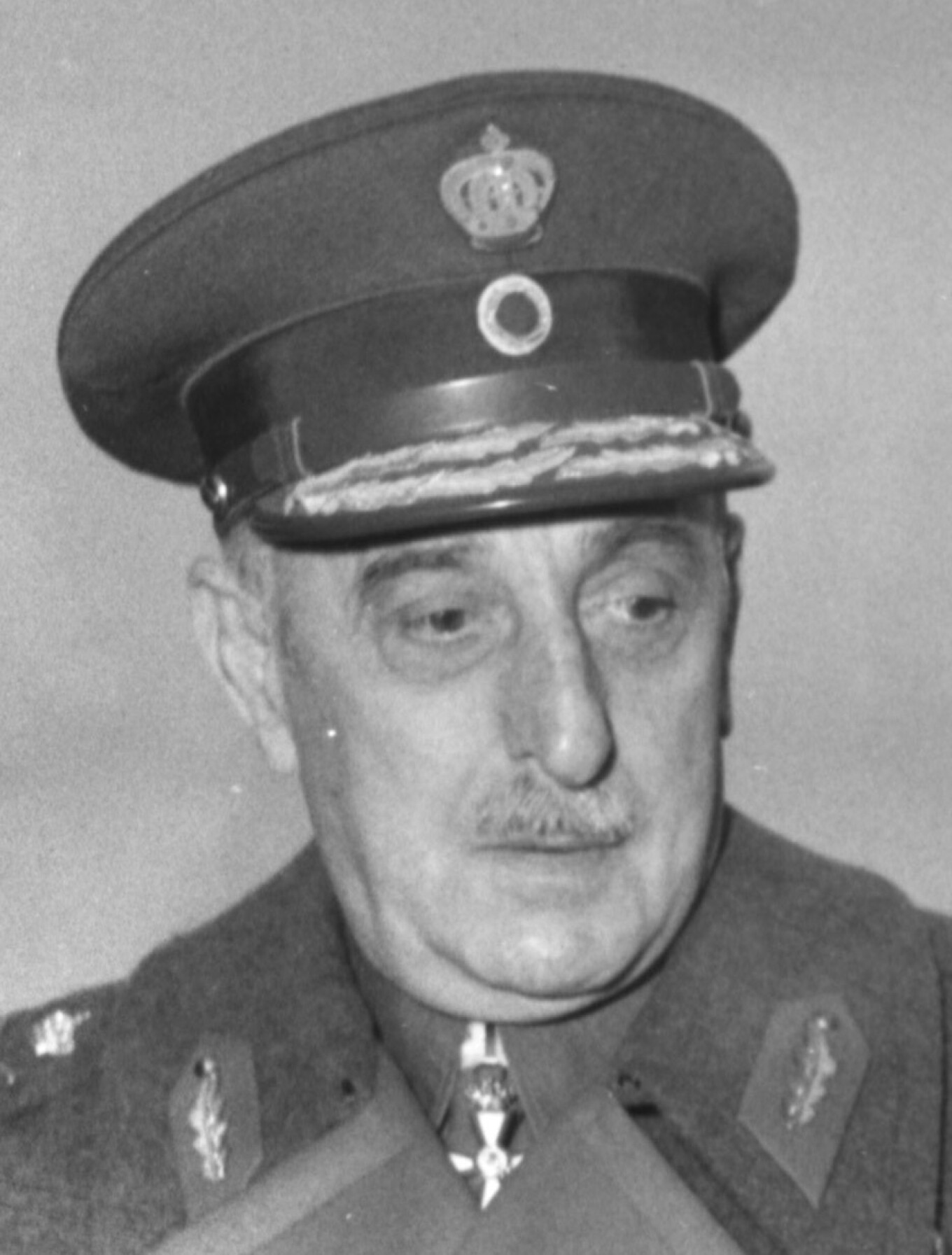
Alexandros Papagos
The first report made public was drafted in July 1953 and concerns EDA. Papagos was prime minister at the time; EDA, which had secured 10.57% in the 1951 elections and elected ten MPs, failed to elect any in the 1952 elections under the majority system.
“Papagos has no guts”
The author of the report expresses concern about the spread of communism through EDA, proposes “solutions to limit it,” and writes (spelling preserved from the original document):
EDA constitutes the legal political organization created within the country by the KKE leadership that had fled behind the Iron Curtain, in order to replace in the political life of the country the Communist Party, which had been outlawed. EDA’s political organization is directed and guided in its political, organizational, and propaganda activity by the illegal KKE apparatus operating here (…) The free activity of EDA naturally influences the morale of a portion of the nationalist-minded public, which, according to available information, has begun to express concern over the government’s “tolerance” toward EDA, without, however, believing the communist claims that “Papagos does not strike EDA because he has no guts.”
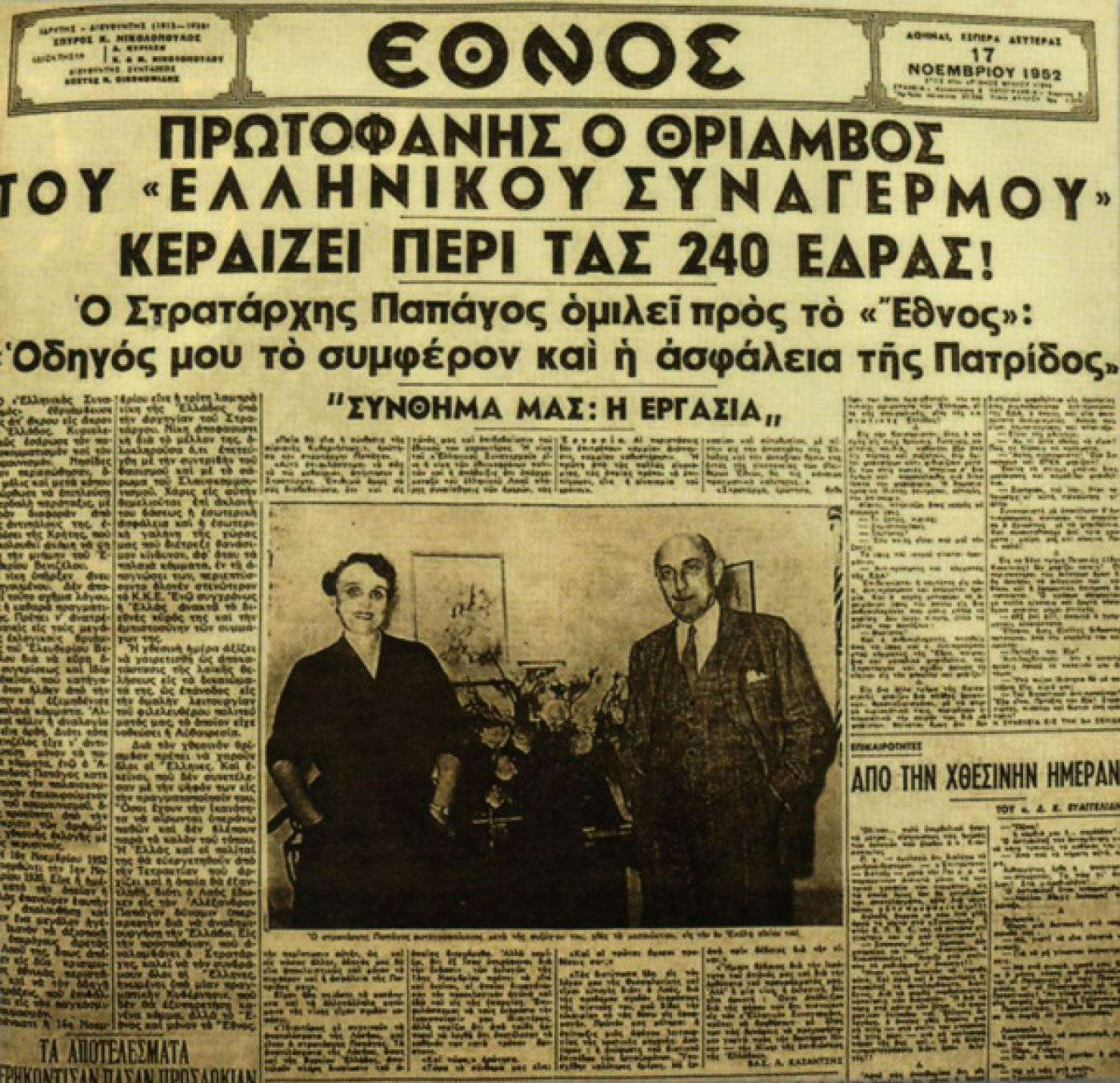
EDA’s result in the 1952 elections
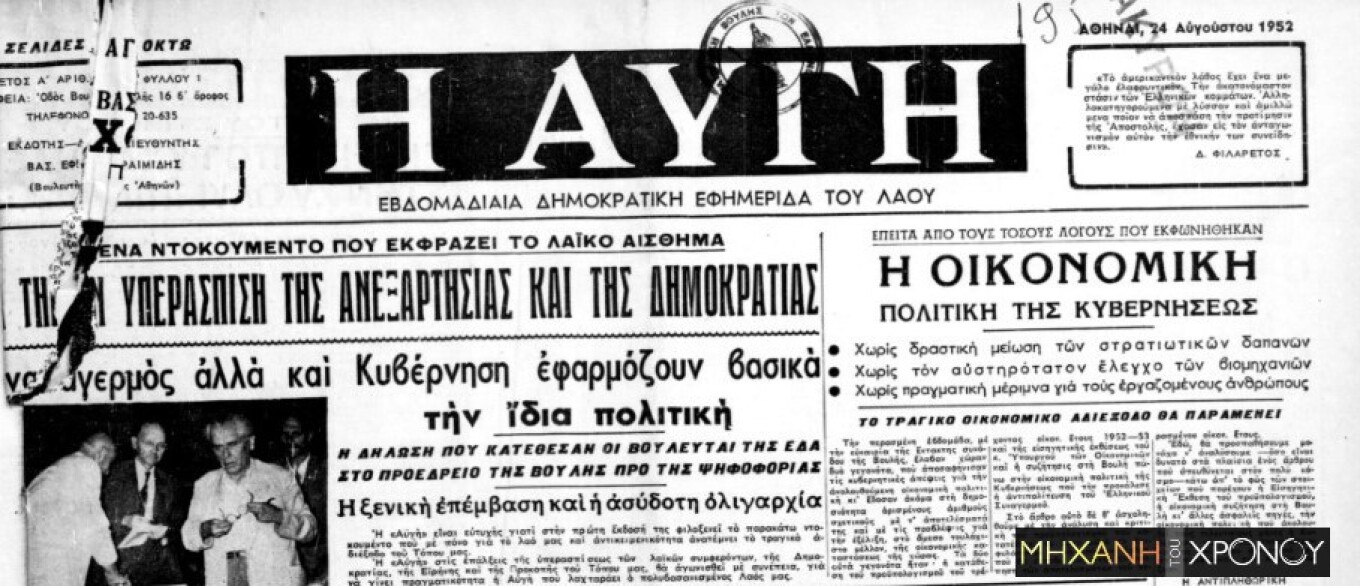
Elsewhere, the same document outlines “solutions of limitation” for communism, with the author arguing in favor of dissolving EDA and not restoring the KKE to legality. “It is self-evident at first glance that the most effective way to αντιμετωπίσεως the growing activity of EDA is its dissolution and the suspension of its propaganda newspaper, which has recently increased its circulation and developed significant propaganda activity,” it states, continuing: “However, the potential dissolution of EDA under current conditions would not benefit the state because:
a) it would create new internal difficulties in completing the government’s reform work
b) it would provide new weapons of attack to the international communist and fellow-traveling world against Greece
c) it would create a new social problem which would ultimately serve communism…”
The author concludes with proposals to address the “EDA problem,” including pursuing legal action against the newspaper “Avgi” for anti-national publications, imposing fines, and temporary suspensions.
In a second report dated August 5, 1953, the author describes the “political aims of the KKE,” according to the official view of the time. “The efforts made for some time by the KKE to create a ‘Unified Pan-Democratic Front’ are becoming increasingly intense daily” (…) “They use vocabulary and arguments aimed at exploiting the aspirations of the people in order to lead them more easily into an ‘organized state’ dominated by the KKE.” (…) “Fortunately, however, as is continuously proven, the repeated efforts, decisions, and appeals of the KKE find no response…”
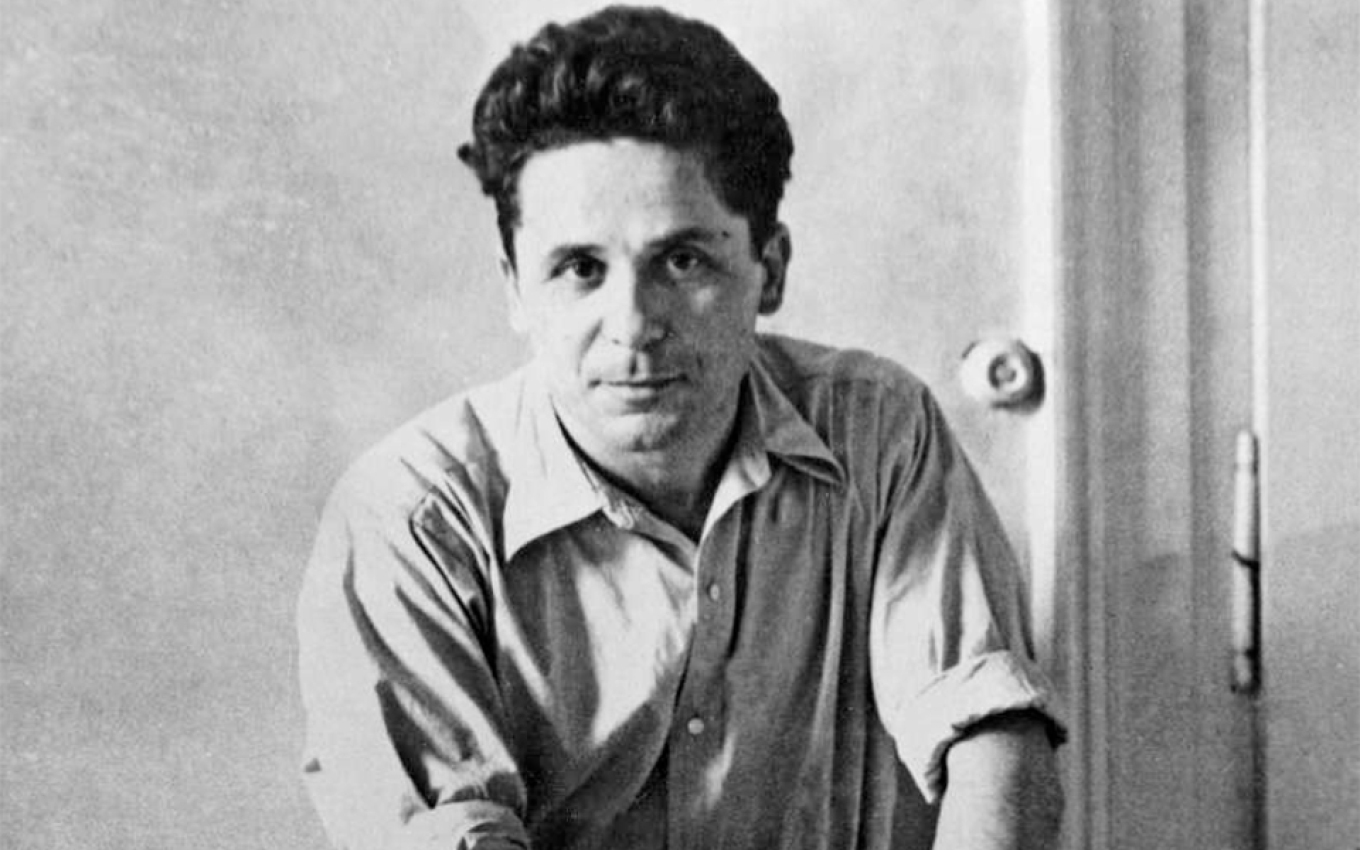
Nikos Zachariadis
A week later, KYP produced a special report “on Sectarianism,” described by Zachariadis as the KKE’s number one enemy. The report’s authors asked police and gendarmerie services to submit reports to KYP on the existence of sectarian tendencies, their potential expansion, and actions taken to foster such divisions.
KYP’s… request
In another declassified document on “Communism–Anti-Communism,” KYP makes a request: that “Communism and anti-communism” be established as a core subject in training schools for gendarmerie and police officers, taught by KYP officers. A similar request was made for military academies.
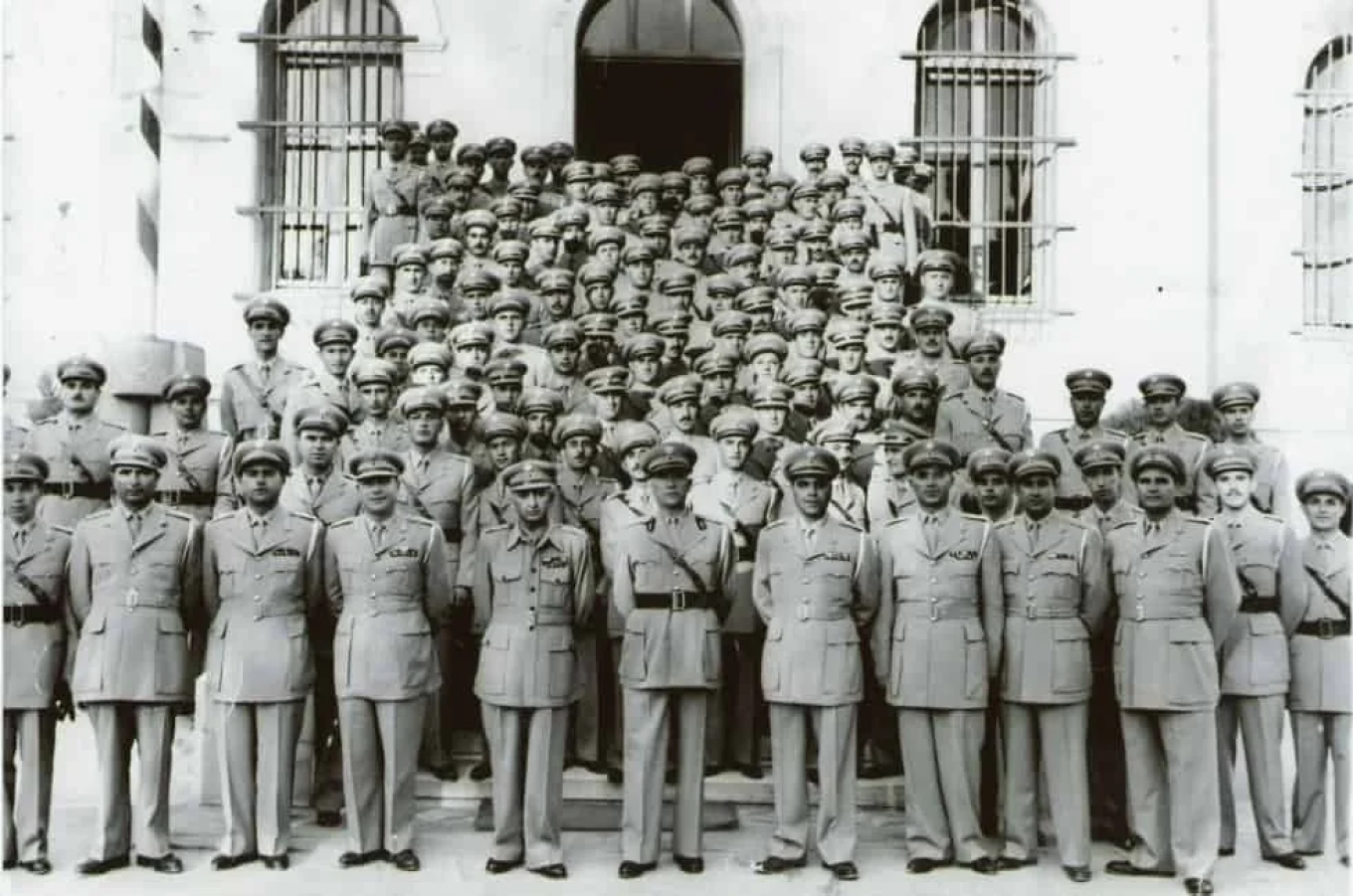
1951 – Gendarmerie and Police Officers’ Training School
The request was accepted, and a later report outlines a “lecture program on Communism” for military academies.
“Iron Curtain parcels”
In May 1954, KYP was asked to give an opinion on a decision by the Ministry of Transport and Communications banning the delivery of parcels and money orders from abroad to prisoners. The service argued that returning such parcels would not cause international backlash, noting they mostly originated from Iron Curtain countries, and that delivering them would effectively support communist propaganda.
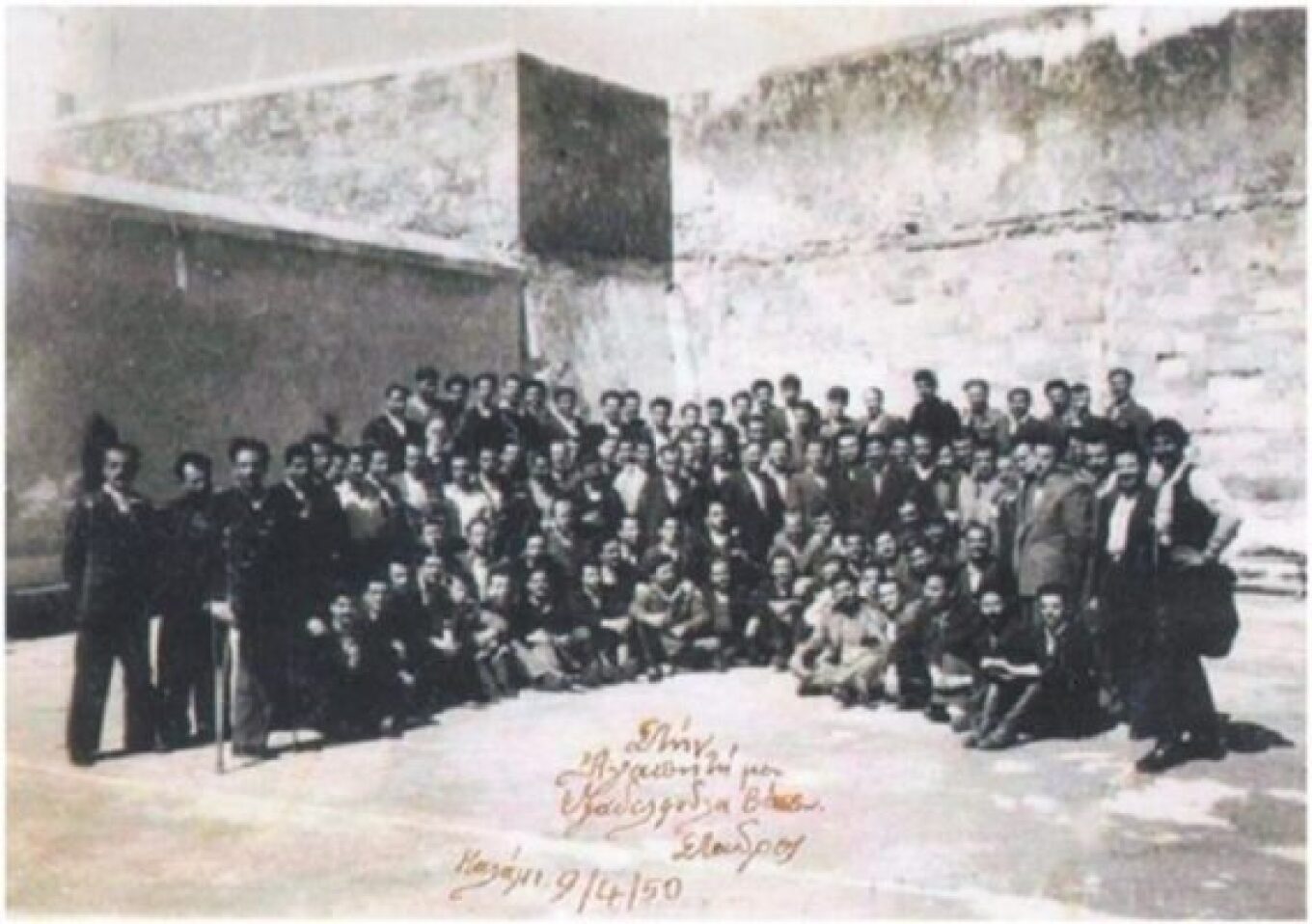
Political prisoners
Certificates of loyalty for students abroad
In May 1954, KYP expressed serious concern about Greek students abroad, stating that their behavior posed a “serious national risk,” with some influenced by communist propaganda.
A meeting was convened with representatives from the Ministries of Foreign Affairs, Education, and Interior, leading to decisions such as requiring a “certificate of loyalty” for students and limiting passports to six months, forcing regular checks at consulates.
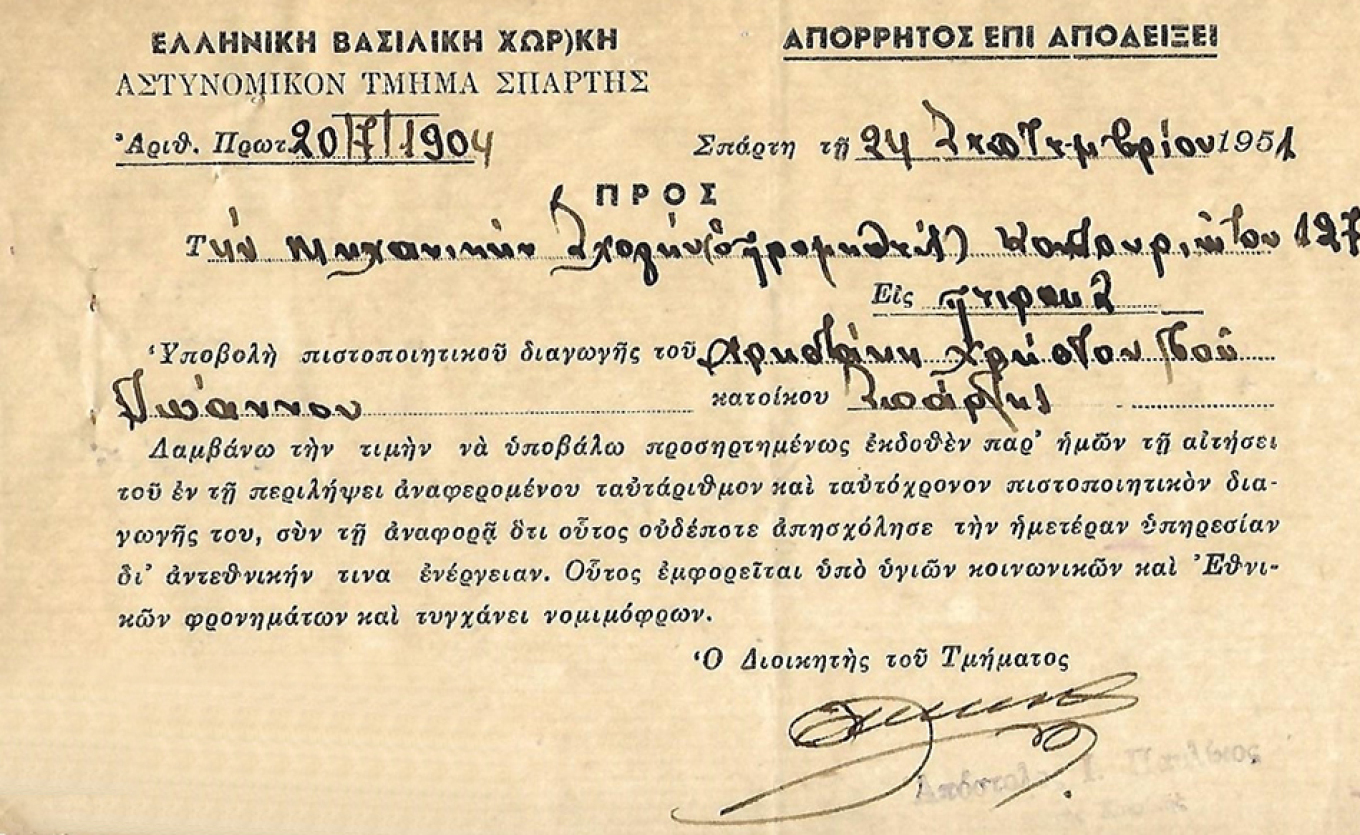
Certificates of loyalty
In March 1955, KYP stated it was willing to support services aimed at “re-educating imprisoned communists” with expertise and material.
In January 1956, it reported that communist leadership behind the Iron Curtain would suspend radio broadcasts as a gesture of conciliation, while also noting that the KKE would not abstain from elections if called and had secured safe houses for its members in case of illegality.
Ask me anything
Explore related questions