The story begins in 1925, when a stretch of land along Florida’s Gulf Coast was granted to Lucian May under the U.S. homestead laws. The untouched landscape—with dense vegetation, free-roaming animals, and waves washing over the shore—captivated May and his family. They cleared the land, cultivated it, raised livestock, and slowly built a place they could call home.
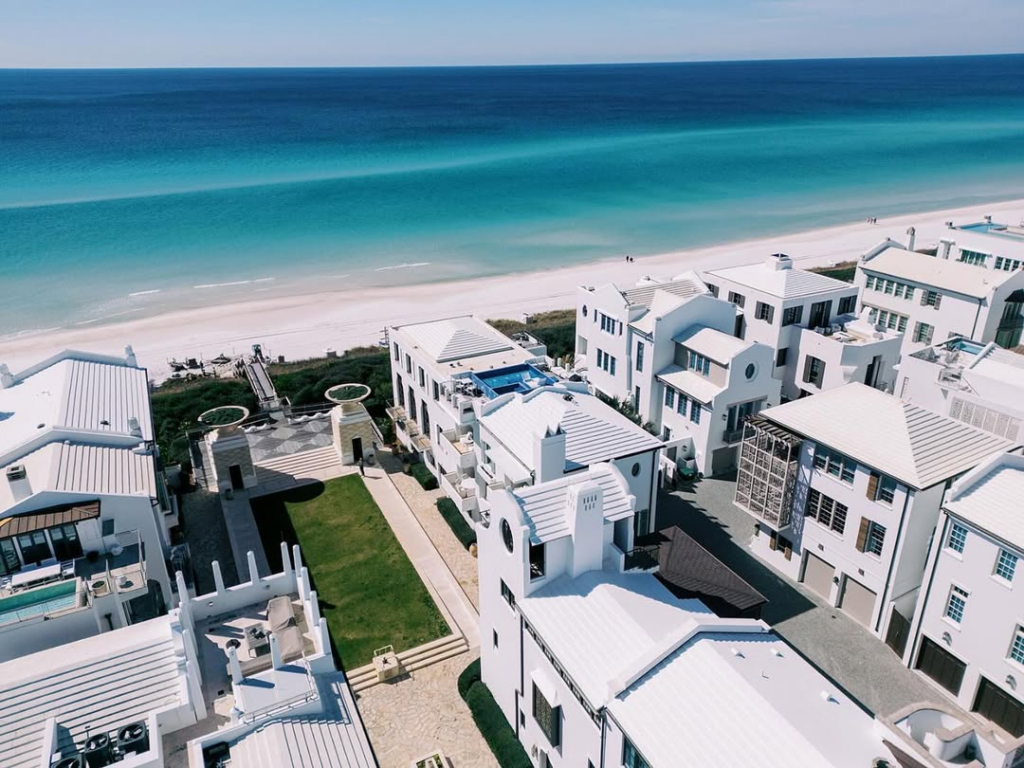
Life was not easy, but it offered something essential: a deep connection to nature and a strong sense of freedom. Over time, they invited friends and relatives to share this experience. Luxury was not material—it was found in the beauty of the natural surroundings.
Among their guests was the family of Elton Bryson Stephens, owner of EBSCO Industries. From the 1940s onward, the Stephens family returned frequently, making the area part of their lives. For them, it was more than a holiday destination—it was a refuge filled with memories, relationships, and a slower pace of life by the sea.
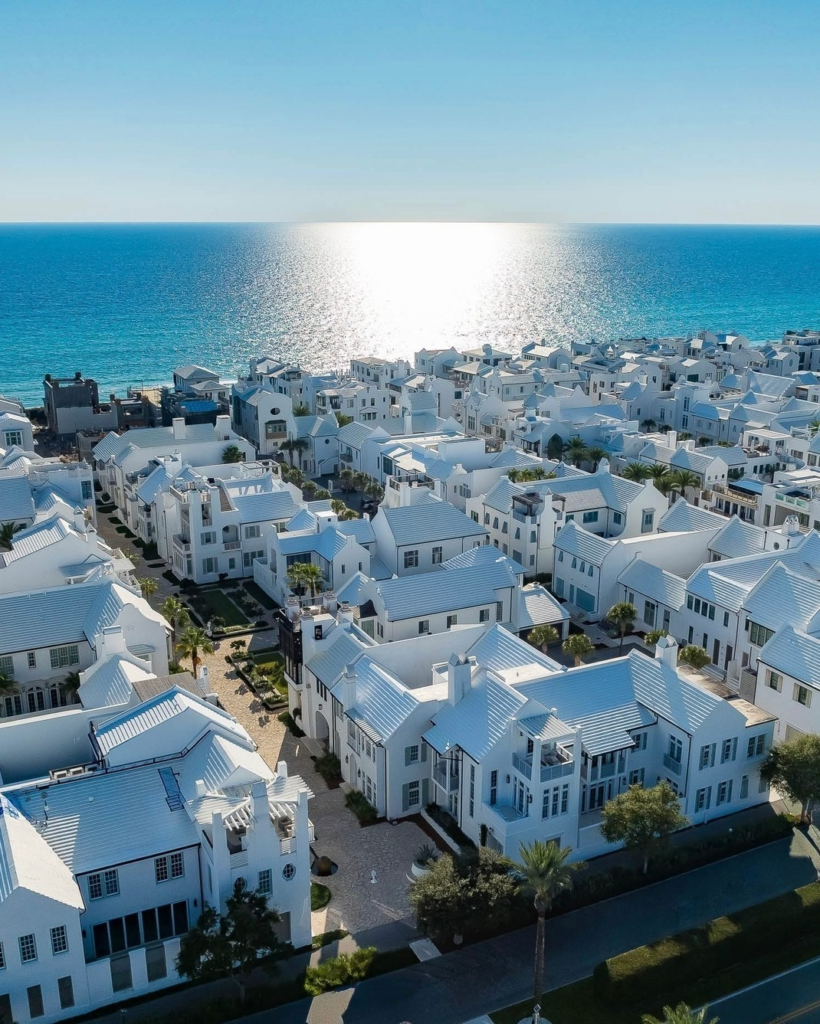
In the late 1970s, when the nearly 640-acre property was put up for sale, Stephens purchased it without hesitation. Its value was not just financial, but emotionally rooted in years of personal history and the belief that it could remain meaningful for future generations.
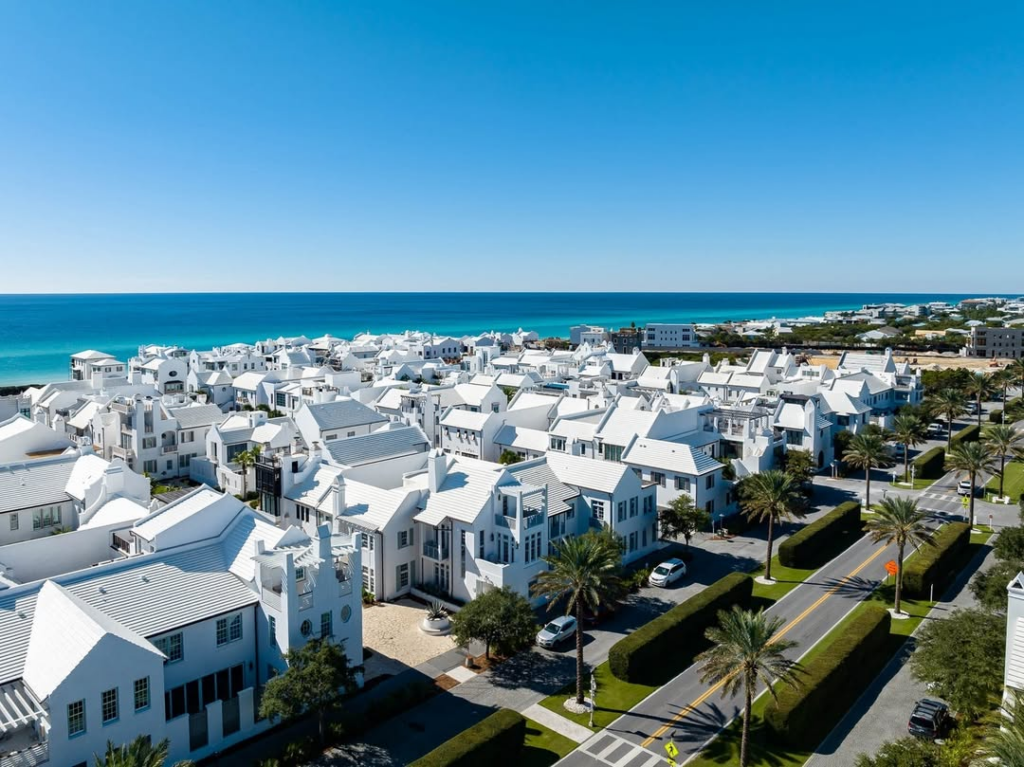
For years, the land remained largely untouched. However, as the surrounding area developed, the idea of transforming it took shape. In the early 2000s, the decision was made to develop it rather than sell it. Thus, Alys Beach was created—not simply as another seaside project, but as the continuation of a story rooted in genuine attachment to place.
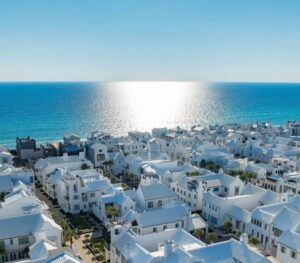
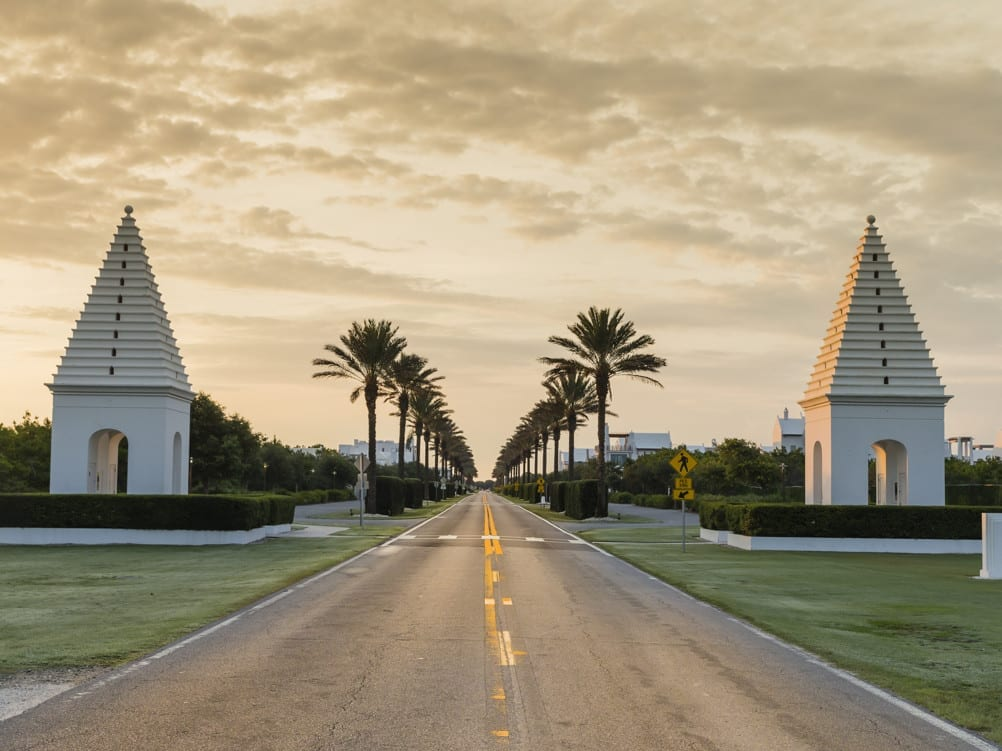
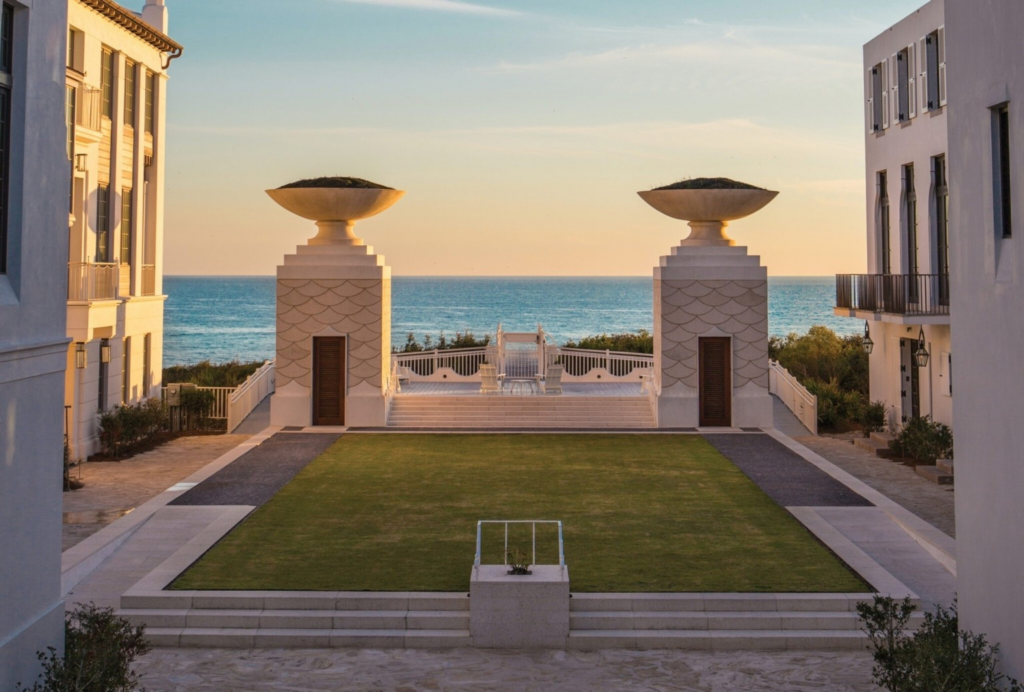
The vision was to build a pedestrian-friendly community centered on families, with white architecture, open pathways, and natural airflow. The design encourages interaction among residents and ensures that everyone remains just steps away from the beach.
The community was named after Stephens’ wife, Alys, who passed away in 1996. The first building, however, was dedicated to Lucian, the land’s original resident. Today, the development includes residences, green spaces, dining areas, shops, an amphitheater, wellness facilities, and private beach access.
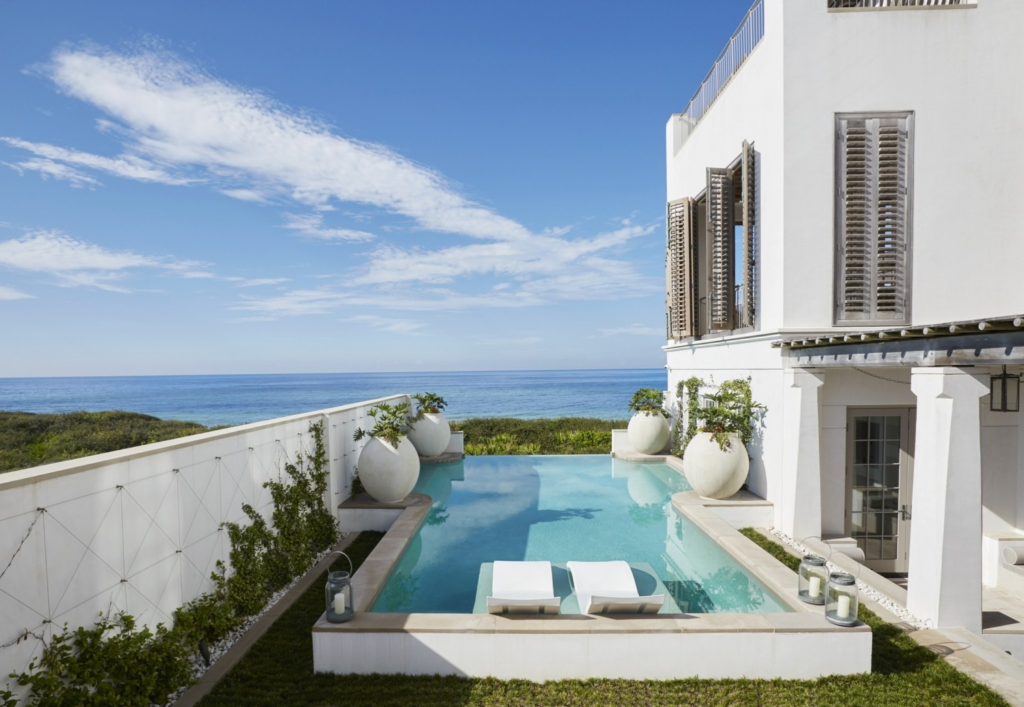
Sustainability and quality of life are central priorities. Cars are largely absent, bicycles are encouraged, and most homeowners live there for much of the year rather than renting their properties. Visitors can enjoy the calm, clear waters and white sand in a peaceful, exclusive setting.
Architecturally, the town is often compared to Santorini due to its whitewashed buildings. However, its design also draws inspiration from Bermuda, Guatemala, and Moorish traditions. The result is a clean, bright environment that offers a sense of calm and escape from modern urban life.
At times, this minimalist landscape transforms—particularly during the digital graffiti festival, when the white walls are illuminated with vibrant colors, temporarily turning the serene resort into a vivid artistic spectacle.
Ask me anything
Explore related questions