





Diplomatic efforts between the United States and Iran did not result in an agreement to end the conflict in the Middle East, despite 21 hours of negotiations held in Islamabad.
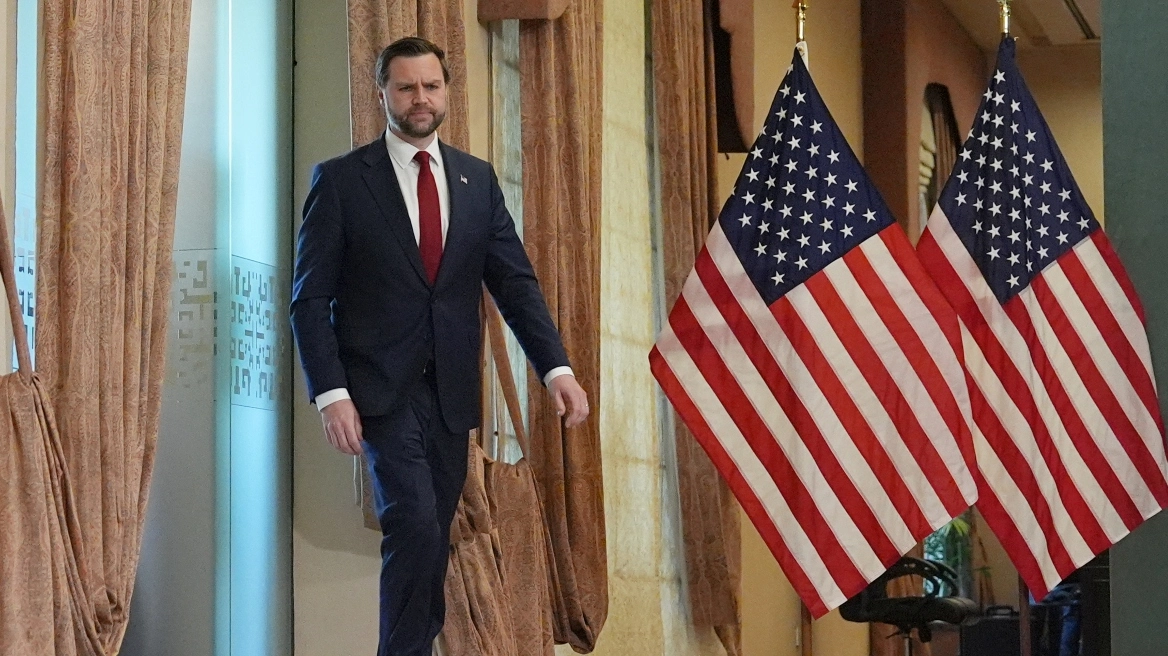
US Vice President J. D. Vance announced that he departed for Washington after presenting what he described as the “final and best offer” he could make to Tehran’s representatives, without any common ground being reached.
“We will return to the US without having reached a deal,” Mr. Vance said during a brief press conference in Islamabad, where American and Iranian negotiators had been in talks from Saturday until the early hours of Sunday, totaling 21 hours. “I think it is worse news for Iran than for the US” that the negotiations ended without agreement, he added.
He particularly criticized the lack of an “explicit commitment” from Tehran to abandon its nuclear program, as demanded by US President Donald Trump, who—alongside Israeli Prime Minister Benjamin Netanyahu—launched the war on February 28, which has cost thousands of lives and shaken the global economy.
“We are leaving after submitting a very simple proposal—an approach that represents our final offer and the best we could make. We will see whether the Iranians choose to accept our terms or not,” Vance added, stressing that “we made very clear what our red lines are.”
“US demands unreasonable,” says Tehran
Tehran, for its part, confirmed the end of the negotiations, attributing their failure to “unreasonable demands” by the US, according to Iran’s state broadcaster IRIB.
“It was clear from the outset that we should not expect to reach an agreement in just one session. No one expected that,” said Iranian Foreign Ministry spokesperson Esmail Baghaei on state television.
He also expressed confidence that contacts with Pakistan and other regional allies would continue.
The talks between the two countries—mediated by Pakistan—were unprecedented since the Islamic Revolution in Iran in 1979.
Following the announcement of a two-week ceasefire on Wednesday, their aim was to reach a lasting truce.
On the US side, Vance was accompanied by White House envoy Steve Witkoff and Jared Kushner, adviser and son-in-law to President Trump. Iran was represented by Parliament Speaker Mohammad Bagher Ghalibaf and Foreign Minister Abbas Araghchi. The delegation included around 70 members.
No “formal commitment” from Iran
“The fact is simple: we need a formal commitment from them that they will not pursue nuclear weapons and will not seek the means to build them quickly,” Vance insisted.
“The question is simple: will we see a formal commitment from the Iranians that they will not develop nuclear weapons—not just today or in the coming years, but long term? We haven’t seen it yet. We hope to,” he added.
Vance placed Iran’s nuclear program at the center of the failed talks, without addressing the Strait of Hormuz during the press conference.
This vital Gulf shipping route—crucial for global energy supply—has effectively been closed since the US-Israel war against Iran began, causing serious ripple effects on the global economy, including shortages and price increases.
The US military announced that two destroyers entered the Strait of Hormuz for preparatory operations ahead of clearing naval mines. “We are sweeping the strait,” President Trump said.
Iran’s Revolutionary Guards warned they would respond “forcefully” to any warship attempting to cross the strait.
At the same time, Trump said he did not mind whether a deal was reached or not. “We defeated them militarily,” he said, adding that “the US has won” regardless of the outcome.
Over 2,000 dead in Lebanon
In six weeks, the war in the Middle East has claimed thousands of lives, mostly in Iran and Lebanon.
After the ceasefire took effect, Israel stated that Lebanon—where it continues its war against Hezbollah, backed by Tehran—was not included in the agreement.
Lebanese authorities reported 2,020 dead and 6,436 injured since the war spread to the country on March 2.
Israeli airstrikes in southern Lebanon killed 18 people yesterday, according to the Health Ministry, while the Israeli military said it struck over 200 Hezbollah targets in the past 24 hours.
On Wednesday, Israel carried out the deadliest bombardments of the war in Lebanon, with 357 people killed within hours, according to the latest official toll.
According to the Lebanese presidency, talks with Israel are scheduled for Tuesday at the State Department. Hezbollah has rejected them.
Prime Minister Netanyahu said his goal is to secure peace that will last “for generations.”
Ask me anything
Explore related questions




