





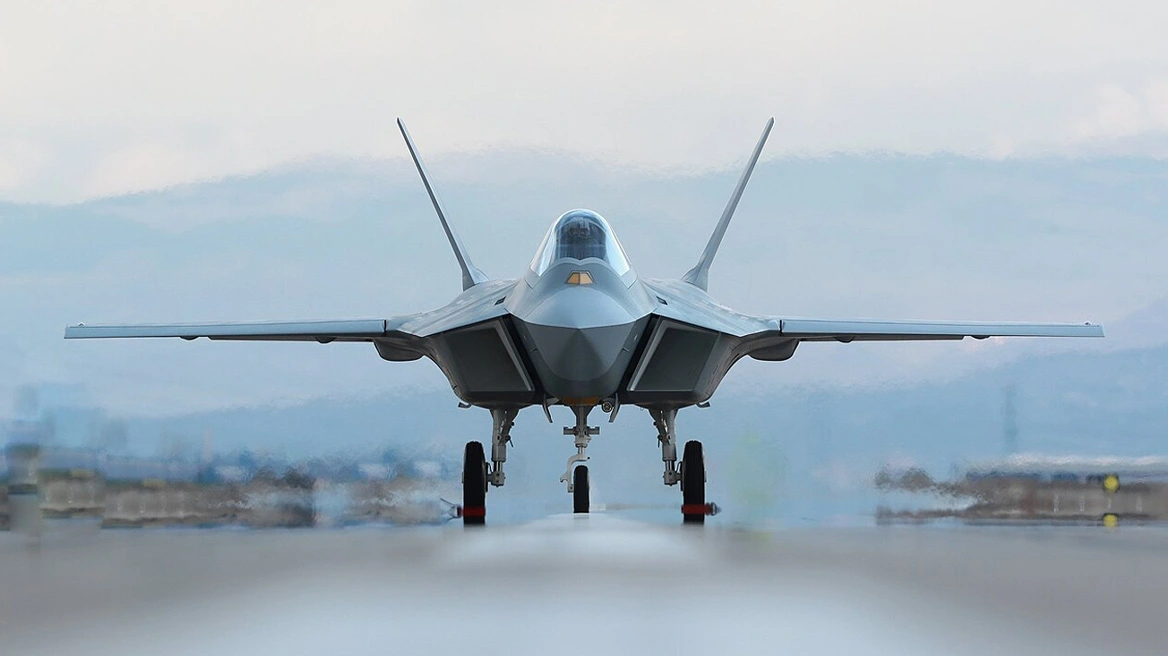
The U.S. Congress has effectively given the green light for the sale of F110 jet engines to Turkey for integration into the country’s domestically developed KAAN fifth-generation fighter aircraft, after lawmakers failed to advance a resolution aimed at blocking the deal, according to reports by the pro-government newspapers Hurriyet and Yeni Safak.
The U.S. State Department formally notified Congress on June 24 of the proposed foreign military sale, triggering the 15-day congressional review period that applies to NATO allies. During this window, nine Democratic members of Congress, led by Representative Dina Titus of Nevada, introduced a joint resolution seeking to halt the sale of defense equipment, services, and technical support to Ankara.
However, the resolution never reached the floor for debate or a vote in either the House of Representatives or the Senate before the review period expired on July 9, allowing the sale to proceed without legislative intervention.
Failed Attempt to Block the Transfer
According to the Turkish press reports, the resolution’s sponsors included several lawmakers who have consistently opposed U.S. defense sales to Turkey, including Brad Sherman, Chris Pappas, and Jim McGovern, all of whom had previously opposed the sale of F-16 fighter aircraft to the Turkish Air Force.
Despite their efforts, Yeni Safak notes, the resolution failed to gain the necessary momentum to move through the legislative process.
How the Congressional Review Process Works
Under U.S. law, the Turkish newspapers explain, major arms sales to foreign countries must undergo a congressional notification and review period after being formally submitted by the State Department.
For NATO allies, this review period lasts 15 days, during which any member of Congress may introduce a joint resolution to block the proposed transaction. For such a resolution to succeed, it must pass both chambers of Congress and receive the president’s signature.
The article argues that Donald Trump, who is described as maintaining a pragmatic approach to defense-industrial cooperation with Turkey, would have been unlikely to sign legislation blocking the sale, based on his recent stance toward Ankara and President Recep Tayyip Erdogan. Furthermore, Congress lacked the two-thirds supermajority required to override a potential presidential veto.
Since the resolution failed to advance, the sale automatically proceeds once the review period expires, paving the way for the next stage of technical and commercial negotiations.
Next Steps for the KAAN Program
With this congressional obstacle removed, Turkish authorities will begin detailed technical and commercial discussions with the U.S. government, the relevant government agencies, and General Electric, the manufacturer of the F110-GE-129E/F engines.
These negotiations will focus on delivery schedules, integration of the engines into the KAAN airframe, certification requirements, and testing protocols.
The F110 engines are regarded as a critical component of Turkey’s fifth-generation fighter program, which aims to reduce the country’s dependence on foreign military platforms while positioning Turkish Aerospace Industries (TAI) as a competitive player in the global combat aircraft market.
Ask me anything
Explore related questions




