





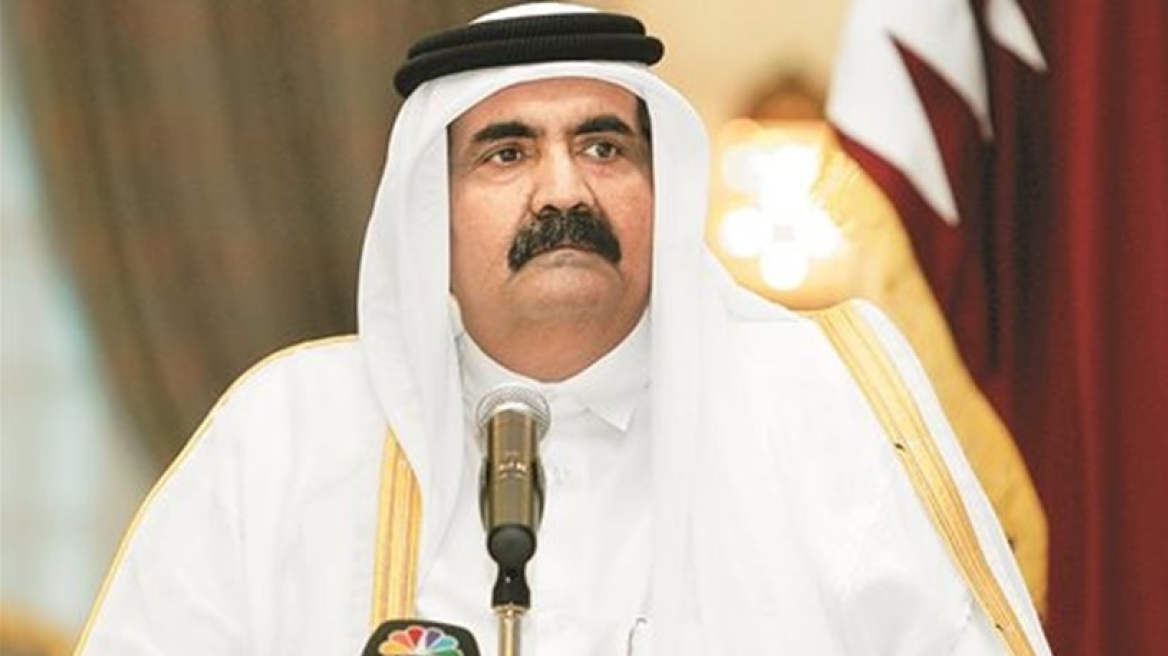
July 2011. A morning at the port of Argostoli, on the Greek island of Kefalonia, unfolds like any other summer day. The fishermen have just tied up their boats and are laying out the day’s catch on the stalls. Among the locals and the handful of tourists strolling along the waterfront, a man dressed in a long white robe pauses in front of the crates. He studies the fish carefully, chats with the fishermen and hand-picks what to shop for his family’s table. A little later he walks through the town, drinks his coffee and carries on with his day like any other visitor to the island.
Most of the people who crossed paths with him that morning would have struggled to guess that the man before them was no ordinary wealthy tourist. He was Hamad bin Khalifa Al Thani, the emir who changed the course of Qatar’s history, the leader who turned a small state on the Arabian peninsula into a global economic and energy power, and one of the richest men on the planet.
The former emir of Qatar has died at the age of 74, leaving behind a political legacy that continues to shape the Middle East. For Greeks, though, his name also stirs a different kind of memory. He was not only the man of billions, international investments and royal palaces. He was one of the very few Arab world leaders to build such a close and lasting relationship with Greece, choosing the Greek islands as a fixed destination for his summer holidays.
For more than a decade, the Ionian became his personal refuge. Corfu, Kefalonia, Ithaca, Meganisi, Skorpios and dozens of small bays away from prying eyes became the places where he spent days, and sometimes weeks, out on the water. Although he had residences and access to the most exclusive resorts in the world, he kept coming back to Greece, in search of something money cannot easily buy: calm, authenticity and the simplicity of a Greek summer.
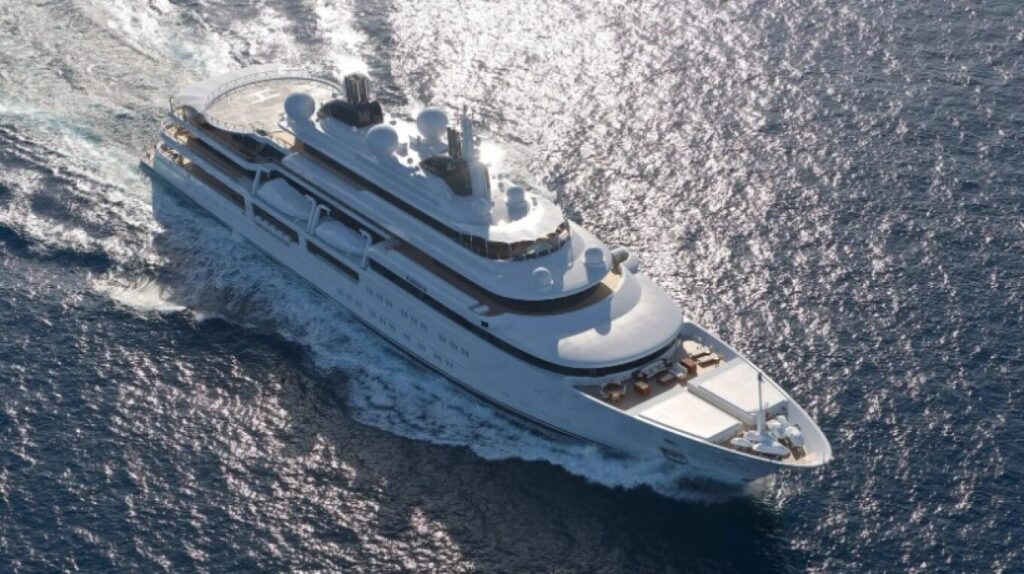
He travelled in Greek waters aboard the legendary Katara, a roughly 124-metre superyacht that ranked among the largest and most luxurious in the world. The floating “palace”, with a crew of more than 90, a helipad, opulent suites and wellness facilities, served as the base for his holidays. Even so, those who met him on the Greek islands describe a man who avoided any show of extravagance.
His movements were organised under tight security, yet he himself preferred to walk around the harbours, talk to locals and try local produce, far removed from the image usually associated with one of the world’s most powerful leaders.
Greece, however, was never just a holiday destination for him. Over the years it grew into something far bigger. His repeated visits gave rise to an ambitious investment plan that would occupy Greek governments, local communities and international media for years to come. At the heart of it was a small, lush green island in the Ionian, Oxia, which the former emir envisaged turning into an earthly paradise for his family.
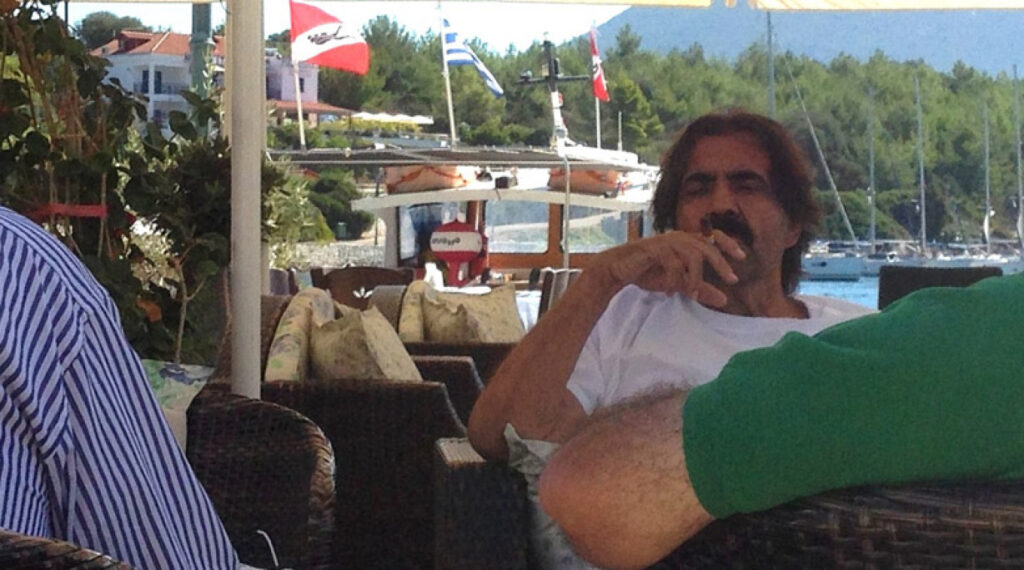
As the years passed, his visits to the Greek islands grew more frequent, and his summers in the Ionian stopped being simply an annual habit. Before long, his love for the region would turn into an investment that would occupy Greek headlines for years and permanently link his name with a small island off the coast of Aitoloakarnania: Oxia.
Oxia and the investment vision that stayed on paper
The decision to invest in Greece was not made on a whim. It followed years of summer escapes to the Ionian, family holidays and countless nautical miles logged in Greek waters. For Hamad bin Khalifa Al Thani, Greece was never just another Mediterranean destination. It was a place he returned to again and again, until he decided to acquire a piece of Greek land of his own.
His attention turned to Oxia, the largest privately owned island in the Echinades, a group of islets in the Ionian Sea, off Astakos, in the western Greek region of Aitoloakarnania. Its acquisition, in 2013 and 2014, through the company Pimara S.A., which represented the interests of Qatar’s royal family, became one of the most talked-about investment moves of the crisis years. According to reports at the time, the price ran into several million euros, and the news made headlines around the world, presenting Greece as a fresh investment destination for Qatari capital.
Behind the purchase lay far more than the idea of a simple holiday home. According to plans that emerged publicly at the time, the former emir envisaged a flagship complex built to international standards, including luxury residences, a small marina, hospitality facilities and cultural spaces. Several reports of the period described the project as a future “Art Island”, an exclusive destination where architecture, art and the natural landscape would coexist in complete harmony.
Expectations were high. Politicians, local authorities and business circles saw Oxia as a landmark investment, one capable of sending a message of confidence in the Greek economy at an extremely difficult moment for the country.
Reality proved very different. Oxia lies within an area protected under the EU’s Natura 2000 network, which imposed strict limits on how the island could be developed. At the same time, securing the necessary approvals turned into an extremely lengthy process, requiring successive opinions from the Forestry Directorate, archaeological authorities and a series of other competent bodies.
As if the administrative hurdles were not enough, the project also became entangled in legal disputes. The Greek architect responsible for the design took the management company to court, seeking, according to the relevant filings, several million euros in fees for studies he said had been carried out but never paid for.
As the years went by, the ambitious plan drifted further and further from reality. Delays, unresolved legal disputes and environmental restrictions meant the investment never progressed beyond the design stage.
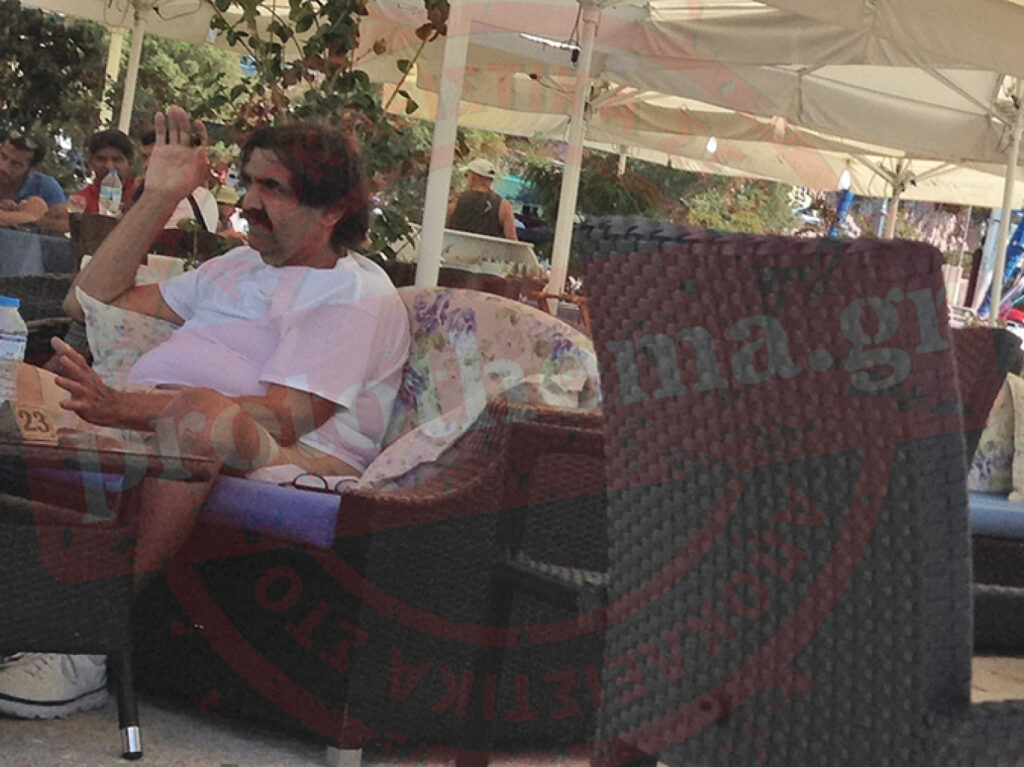
Oxia thus became one of the clearest examples of a grand investment vision that was never realised: a project that began with international publicity, high expectations and the personal stamp of one of the most powerful men on the planet, but ultimately remained on paper, exposing the enduring difficulties even the biggest foreign investors face in Greece.
Yet however much the investment plan foundered, Hamad bin Khalifa Al Thani’s personal relationship with Greece never came to an end. For those who met him on the Greek islands, the image that stayed with them was not that of the emir seeking to build an earthly paradise on a private island. It was the image of the man who, one summer morning in Argostoli, stood before the fishermen’s stalls, choosing the catch of the day.
Perhaps that, in the end, was his greatest imprint on Greece: not a project of concrete and stone, but the memory of one of the world’s most powerful men, who chose to live, if only for a few days each year, like an ordinary traveller of the Ionian.
To understand why a man with almost limitless financial resources was so captivated by Greece, it helps to look back at his own story: the journey of a prince who, in 1995, bloodlessly overthrew his own father, took the reins of Qatar and, in under two decades, changed his country’s place on the world map for good.
Ask me anything
Explore related questions




