





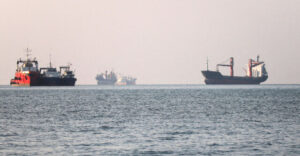
Iran has told the United States that the Strait of Hormuz will not return to its pre-war status, despite Washington’s decision to suspend some sanctions on Iranian oil as part of negotiations aimed at ending the war in the Middle East.
Tehran reiterated on Tuesday that it intends to retain control over the strategically vital waterway, even after talks held over the weekend in Switzerland raised hopes of a broader diplomatic settlement.
US Vice President JD Vance said the talks had laid “a very solid foundation” for a final agreement, while also announcing a two-month suspension of some US sanctions on Iranian oil.
Iran’s chief negotiator, Mohammad Bagher Ghalibaf, said on Monday that the Strait of Hormuz would not go back to the conditions that existed before the war. Speaking to Iranian state media, he said the waterway would continue to be administered by Iran.
“The management of the Strait of Hormuz will never be what it was before the war,” Ghalibaf said, adding that Iran would be the country responsible for administering it.
Under normal conditions, about 20% of the world’s oil and liquefied natural gas passes through the Strait of Hormuz. Before the US and Israeli attacks on Iran on February 28, shipping through the strait had been free from any such control.
Tehran also said on Tuesday that it had reached an agreement with Washington in Switzerland for the immediate release of 12 billion dollars in Iranian assets frozen abroad.
Kazem Gharibabadi, who led the Iranian delegation in the technical talks, told Iran’s IRNA news agency that the funds would be released in two instalments of 6 billion dollars.
Vance, however, said Washington would make sure that any released money would not be used to finance terrorism.
The negotiations that began over the weekend in Switzerland have raised hopes of an end to the war and pushed the price of North Sea Brent crude below the psychologically important threshold of 80 dollars a barrel, far below the 126 dollars it reached at the height of the conflict.
Pakistan and Qatar are acting as mediators in the talks, which are expected to lead to a final agreement within 60 days. That period may be extended if the parties decide more time is needed.
Iranian President Masoud Pezeshkian is expected to pay an official visit to Islamabad on Tuesday, according to Pakistani diplomatic sources.
US Secretary of State Marco Rubio is also due to visit the United Arab Emirates from Tuesday to Thursday, followed by Bahrain and Kuwait, according to the State Department.
Iran’s negotiating team, led by Ghalibaf, travelled to Oman to discuss the management of the Strait of Hormuz, IRNA reported.
Washington is stepping up its diplomatic efforts toward Tehran as it faces pressure to end a war that has driven up costs and eroded Americans’ purchasing power.
On oil, Iran’s main source of revenue, the US Treasury Department said all transactions involving the production, sale and transport of Iranian hydrocarbons would be permitted until August 21.
Vance said Tehran had agreed in return to invite inspectors from the International Atomic Energy Agency, the UN nuclear watchdog, back into the country. Iran has not confirmed that claim.
Inspections had begun under the 2015 nuclear agreement, formally known as the Joint Comprehensive Plan of Action, or JCPOA. President Donald Trump withdrew the United States from the deal in 2018.
Tehran suspended the inspections after US-Israeli airstrikes on Iranian nuclear facilities in June 2025. Since then, IAEA inspectors have not been able to visit the bombed facilities, fuelling questions over the fate of Iran’s highly enriched uranium.
Iran has repeatedly denied seeking nuclear weapons, while insisting on its right to maintain a full civilian nuclear energy programme.
On the Lebanese front, which Tehran demanded be included in the talks, a “conflict management team” has been announced in an effort to end the war between Israel and Hezbollah, the Iran-aligned Shia movement accused of drawing Lebanon into the conflict in early March.
Lebanese President Joseph Aoun received a phone call on Monday from Vance to discuss the consolidation of the ceasefire in Lebanon, an end to Israeli military escalation and the steps required to achieve that, according to the Lebanese presidency.
Israel’s campaign in Lebanon, which Prime Minister Benjamin Netanyahu’s government says was aimed at preventing Hezbollah attacks, has killed more than 4,100 people and displaced more than one million residents inside the country.
Iranian Foreign Minister Abbas Araghchi said that maintaining the ceasefire in Lebanon would be “the first real test” of the US-Iran memorandum of understanding.
Iran has told the United States that the Strait of Hormuz will not return to its pre-war status, despite Washington’s decision to suspend some sanctions on Iranian oil as part of negotiations aimed at ending the war in the Middle East.
Tehran reiterated on Tuesday that it intends to retain control over the strategically vital waterway, even after talks held over the weekend in Switzerland raised hopes of a broader diplomatic settlement.US Vice President JD Vance said the talks had laid “a very solid foundation” for a final agreement, while also announcing a two-month suspension of some US sanctions on Iranian oil.Iran’s chief negotiator, Mohammad Bagher Ghalibaf, said on Monday that the Strait of Hormuz would not go back to the conditions that existed before the war. Speaking to Iranian state media, he said the waterway would continue to be administered by Iran.“The management of the Strait of Hormuz will never be what it was before the war,” Ghalibaf said, adding that Iran would be the country responsible for administering it.Under normal conditions, about 20% of the world’s oil and liquefied natural gas passes through the Strait of Hormuz. Before the US and Israeli attacks on Iran on February 28, shipping through the strait had been free from any such control.Tehran also said on Tuesday that it had reached an agreement with Washington in Switzerland for the immediate release of 12 billion dollars in Iranian assets frozen abroad.Kazem Gharibabadi, who led the Iranian delegation in the technical talks, told Iran’s IRNA news agency that the funds would be released in two instalments of 6 billion dollars.Vance, however, said Washington would make sure that any released money would not be used to finance terrorism.The negotiations that began over the weekend in Switzerland have raised hopes of an end to the war and pushed the price of North Sea Brent crude below the psychologically important threshold of 80 dollars a barrel, far below the 126 dollars it reached at the height of the conflict.Pakistan and Qatar are acting as mediators in the talks, which are expected to lead to a final agreement within 60 days. That period may be extended if the parties decide more time is needed.Iranian President Masoud Pezeshkian is expected to pay an official visit to Islamabad on Tuesday, according to Pakistani diplomatic sources.US Secretary of State Marco Rubio is also due to visit the United Arab Emirates from Tuesday to Thursday, followed by Bahrain and Kuwait, according to the State Department.Iran’s negotiating team, led by Ghalibaf, travelled to Oman to discuss the management of the Strait of Hormuz, IRNA reported.Washington is stepping up its diplomatic efforts toward Tehran as it faces pressure to end a war that has driven up costs and eroded Americans’ purchasing power.On oil, Iran’s main source of revenue, the US Treasury Department said all transactions involving the production, sale and transport of Iranian hydrocarbons would be permitted until August 21.Vance said Tehran had agreed in return to invite inspectors from the International Atomic Energy Agency, the UN nuclear watchdog, back into the country. Iran has not confirmed that claim.Inspections had begun under the 2015 nuclear agreement, formally known as the Joint Comprehensive Plan of Action, or JCPOA. President Donald Trump withdrew the United States from the deal in 2018.Tehran suspended the inspections after US-Israeli airstrikes on Iranian nuclear facilities in June 2025. Since then, IAEA inspectors have not been able to visit the bombed facilities, fuelling questions over the fate of Iran’s highly enriched uranium.Iran has repeatedly denied seeking nuclear weapons, while insisting on its right to maintain a full civilian nuclear energy programme.On the Lebanese front, which Tehran demanded be included in the talks, a “conflict management team” has been announced in an effort to end the war between Israel and Hezbollah, the Iran-aligned Shia movement accused of drawing Lebanon into the conflict in early March.Lebanese President Joseph Aoun received a phone call on Monday from Vance to discuss the consolidation of the ceasefire in Lebanon, an end to Israeli military escalation and the steps required to achieve that, according to the Lebanese presidency.Israel’s campaign in Lebanon, which Prime Minister Benjamin Netanyahu’s government says was aimed at preventing Hezbollah attacks, has killed more than 4,100 people and displaced more than one million residents inside the country.Iranian Foreign Minister Abbas Araghchi said that maintaining the ceasefire in Lebanon would be “the first real test” of the US-Iran memorandum of understanding.
Ask me anything
Explore related questions




