





A total of 6.2 tonnes of unfit animal-origin food products were seized during a large-scale inspection carried out by the Region of Attica’s inspection teams, following an initial inspection in the Western Sector and the traceability investigation of 20 businesses across Attica.
More specifically, the inspection began at a meat production and processing facility in Ilion.
There, regional inspectors found that the business listed in their records had ceased operations, while another company was operating at the exact same premises without the required approval for processing, producing, and distributing meat products.
In addition, it was established that the company was not included in EFET’s list of approved facilities.
Inspectors discovered and seized 6,047 kilograms of products stored in refrigerated chambers, which were deemed unfit for distribution because they either lacked the required legal labeling or carried invalid identification codes.
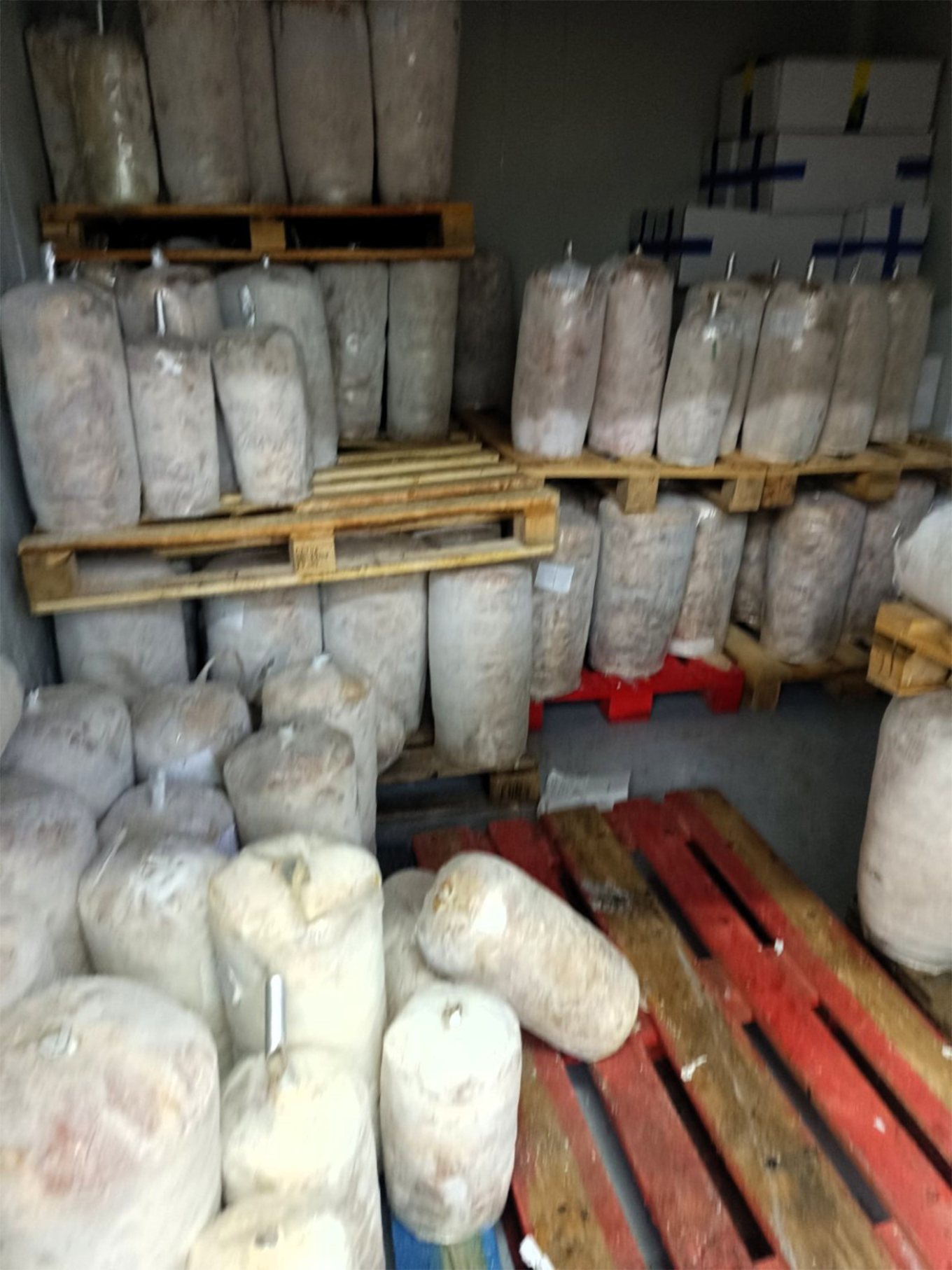
Authorities then carried out an immediate and extensive traceability investigation, which revealed that the unsafe meat products had been supplied to 20 food businesses, prompting coordinated inspections by the Region of Attica’s services across six Regional Units, as well as by EFET (the Hellenic Food Authority).
The follow-up inspections resulted in the seizure of an additional 151 kilograms of products, bringing the total amount of confiscated meat to 6.2 tonnes.
Under the procedures required by law, the confiscation reports issued by the Directorate of Rural Economy and Veterinary Services (DAOK) of the Western Sector have become final, irrevocable, and enforceable, while three-member committees have also been established to examine the imposition of administrative penalties.
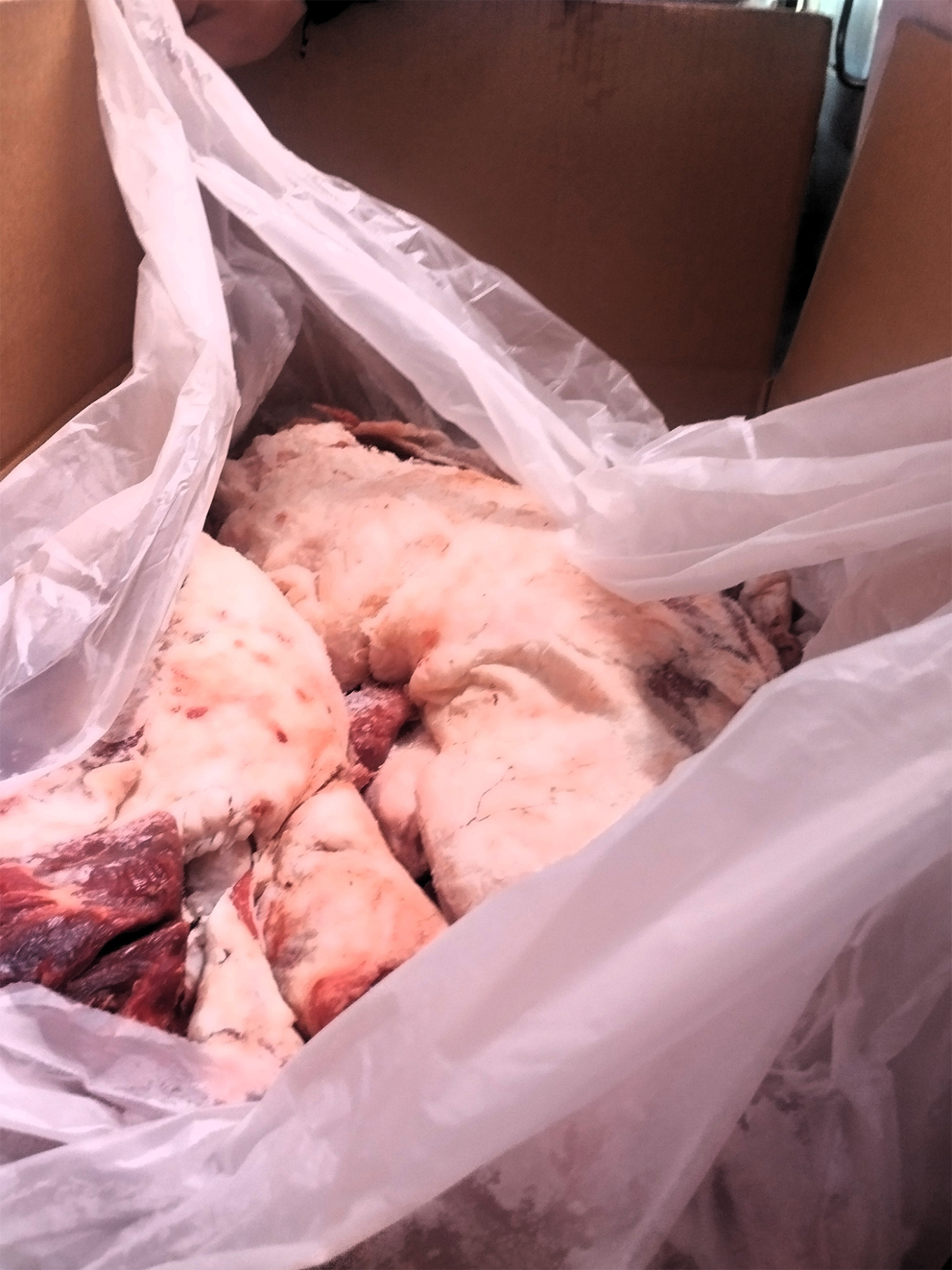
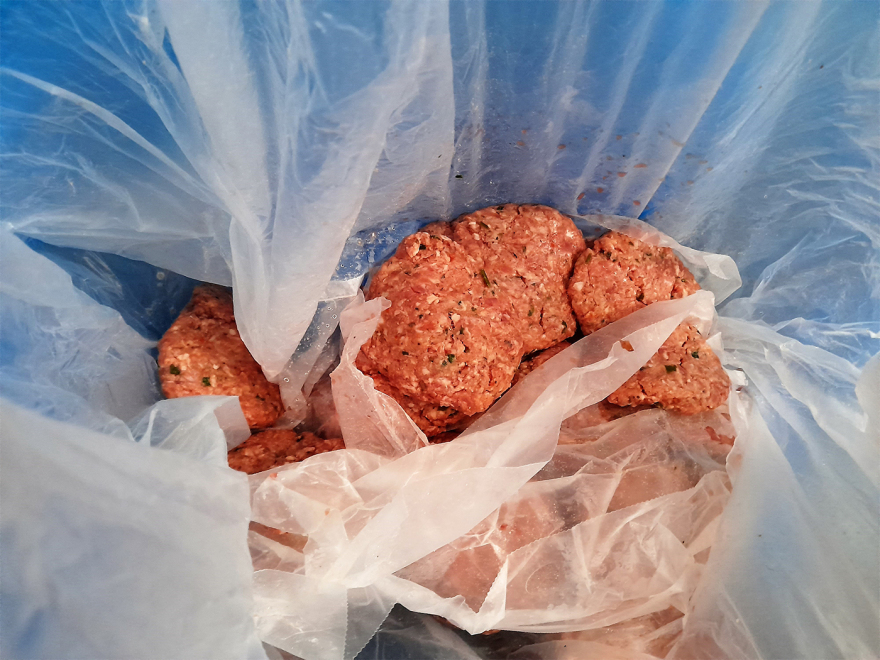
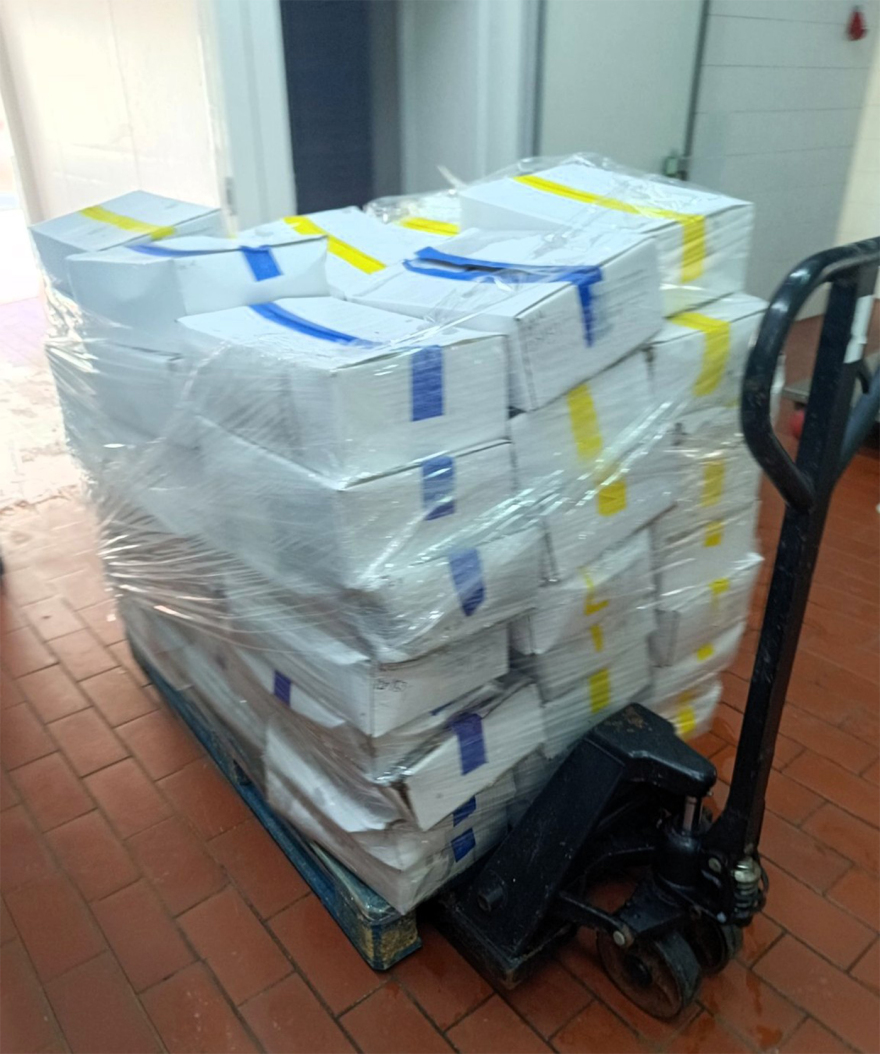
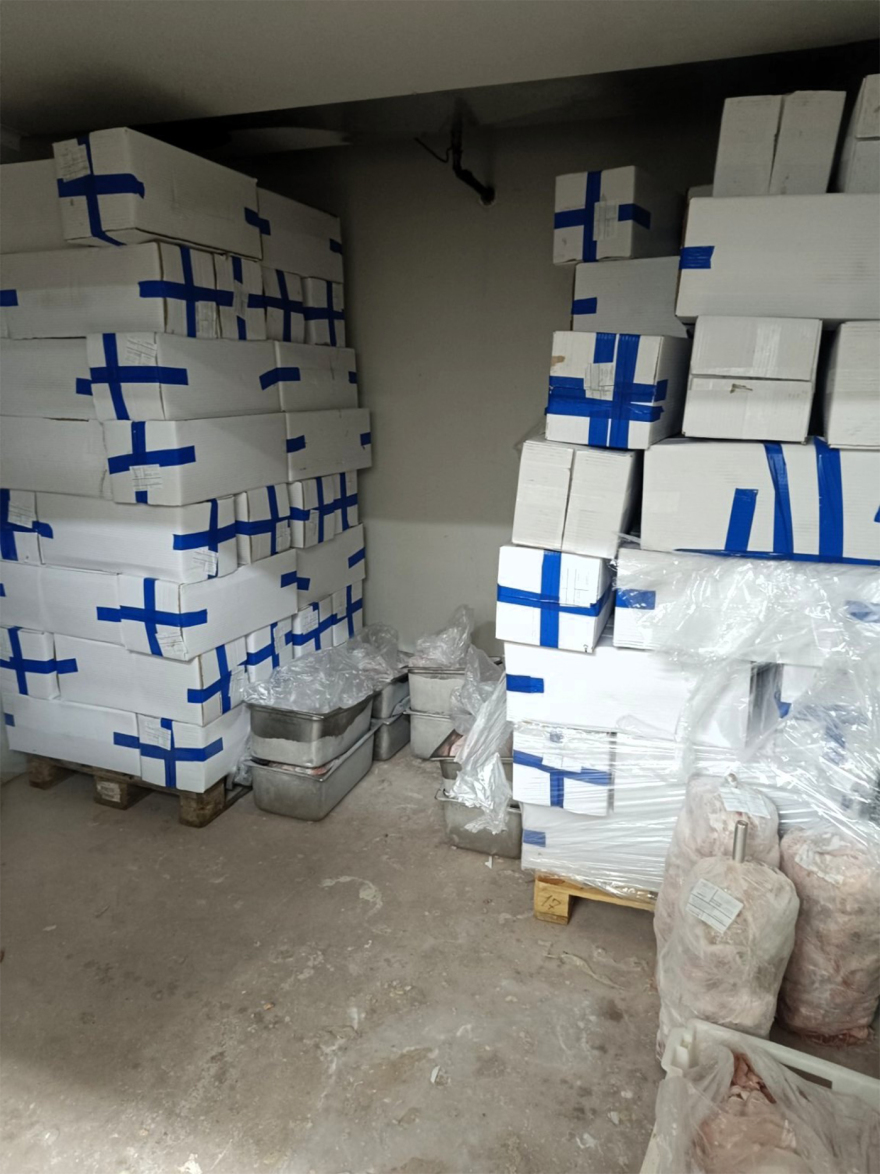
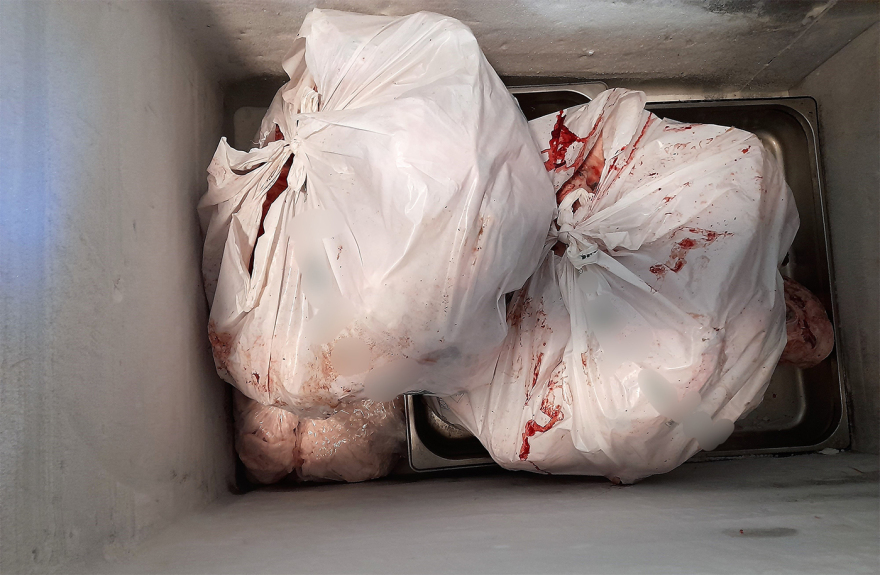
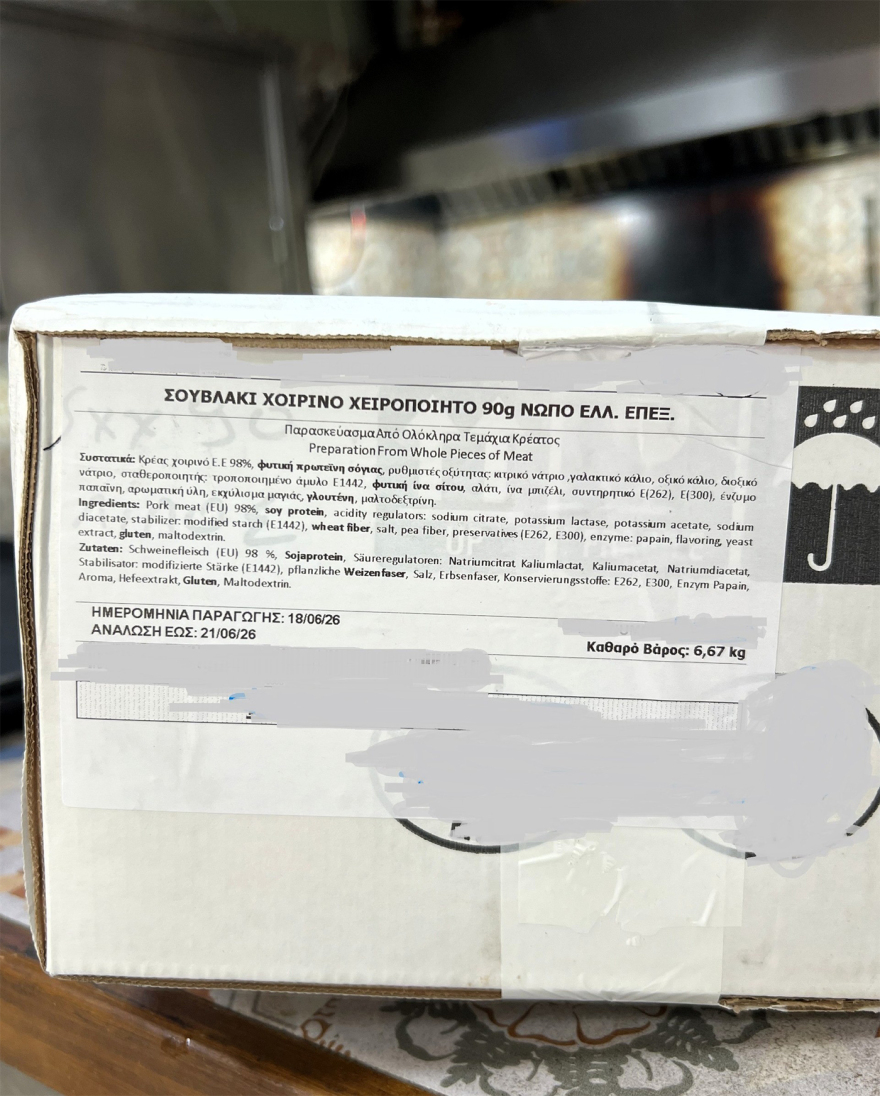
Attica Regional Governor Nikos Hardalias stated:
“Once again, the services of the Region of Attica protected public health through a rigorous inspection process. My standing instruction to the Deputy Regional Councillor responsible and to all inspection authorities is clear: absolutely no tolerance for those who recklessly endanger public safety and family budgets. The protective shield built every day by the Region of Attica is based on systematic, intensive inspections and the imposition of all legal sanctions wherever violations are identified. This is the only way to ensure lawful market conditions and strengthen consumers’ sense of safety and trust. We proved that we can safeguard both product quality and fair prices during the holiday market.
By my order, inspections are being intensified throughout the summer in the most heavily visited neighborhoods of Attica. But we are not stopping there: our presence will remain constant and strict, every day, in every neighborhood of Attica. This case demonstrates the power of traceability. The Region of Attica’s services proved in practice that a targeted inspection can uncover an entire distribution chain and immediately activate a comprehensive protection mechanism, from the warehouse to the final point of sale. We are sending a clear message in every direction: public health in Attica is not something to be gambled with—and that position is non-negotiable. Through planning, coordination, and determination, we intervene wherever necessary and enforce the law without exceptions.”
Dimitra Angelaki, Deputy Regional Councillor responsible for Agricultural Economy and Veterinary Affairs in the Region of Attica, stated:
“A single inspection in Ilion uncovered an entire distribution network supplying products to 20 businesses across Attica. The immediate traceability investigation, cooperation between the authorities, and the persistence of our inspectors stopped more than 6.2 tonnes of meat products that failed to meet legal requirements.”
24,136 inspections carried out by the Region of Attica
Authorities noted that inspection teams from the Region of Attica have carried out 24,136 inspections during this period, imposed hundreds of thousands of euros in fines, and seized hundreds of tonnes of unsafe and hazardous products, demonstrating that protecting public health remains a daily priority.
Inspections continue at full intensity across the entire supply chain, from production and storage to transportation and retail distribution. The objective is to effectively protect public health, ensure fair competition in the marketplace, and strengthen consumer confidence.
Ask me anything
Explore related questions




