





Serious allegations surrounding IVF treatments in the Turkish-occupied north of Cyprus have been brought to light by a BBC investigation, according to which there are fears that at least 30 children, most of them born to British parents, were conceived using sperm or eggs from donors other than those selected by their parents.
In all cases, the parents say they carefully chose anonymous donors based on factors including medical history, appearance, personality, education and interests. They now question whether the genetic material actually used in the treatments was the material they had requested.
The new revelations by the British broadcaster add further and more serious dimensions to a case that first came to light earlier this year, when seven similar cases were identified.
15 of the 30 cases linked to one clinic
Half of the 30 children covered by the report were born following procedures carried out at the Dogus IVF Centre. “It is absolutely scandalous,” said one of the mothers, Rachel, who recently learned through a DNA test that the sperm donor used to conceive her son was not the donor she had chosen.
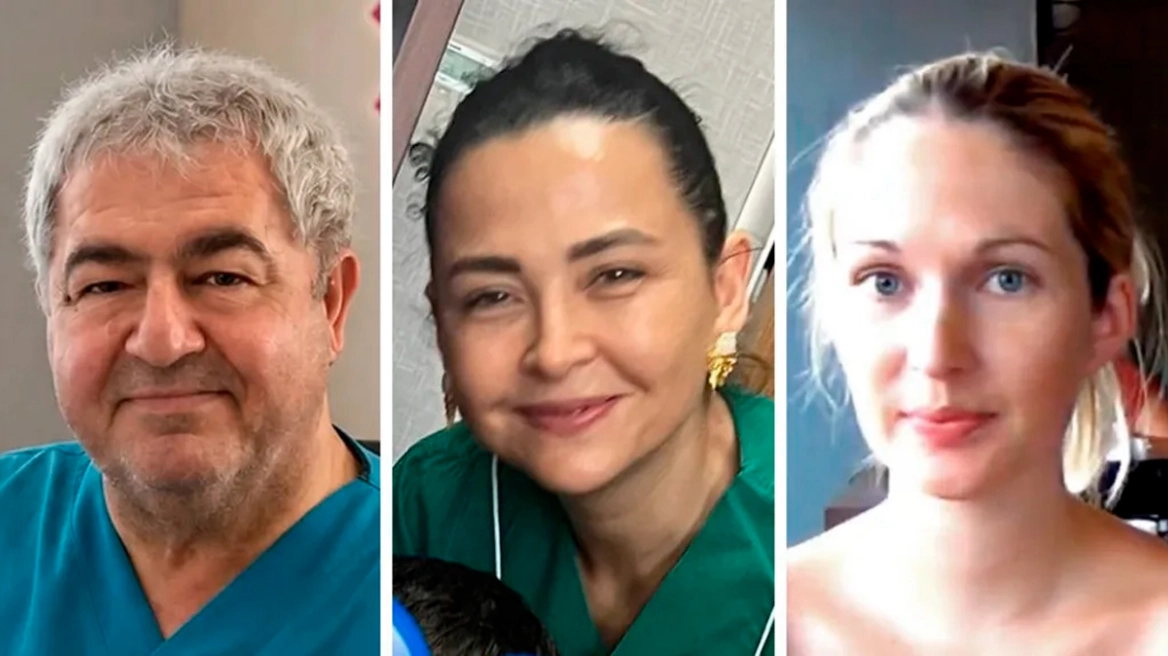
Three people are said to have been involved in the care of many of the patients concerned at Dogus: doctor Firdevs Uguz Tip, doctor Sevket Alpturk and patient coordinator Julie Hodgson. Parents suspect that they may have been misled by members of staff. Firdevs denies any wrongdoing, while Alpturk and Hodgson did not respond to the BBC’s questions.
DNA tests that strengthened the suspicions
The Turkish-occupied north of Cyprus is a popular destination for Britons seeking assisted reproductive treatments abroad, as clinics advertise lower prices, high success rates and a wide range of sperm and egg donors. EU law does not apply in the area, while the self-declared state is recognised only by Turkey. According to the BBC, this means that clinics operate within a looser regulatory framework.
Following the initial revelations in March, the relevant authorities announced that they had launched an official investigation, although they have since failed to respond to repeated requests from the British broadcaster for further information. Meanwhile, new parents contacted the BBC, sharing stories with disturbing similarities. Most say the clinics had promised them screened and healthy donors from Western Europe, but after their children were born they began to have doubts.
Eleven of the 30 children have now undergone commercial DNA tests. The results showed genetic ancestry from Turkey or neighbouring countries, which, according to the investigation, strengthens suspicions that the donors selected by the families were not used.
Most of the children who underwent DNA tests had been conceived through IVF at Dogus between 2012 and 2024. The families are now facing a crucial question: who are the children’s biological donors and what is their medical history? “These reports are deeply concerning,” said Laura Bridgens, founder of Donor Conceived UK, stressing that “it is a fundamental human right of a person conceived by a donor to know the truth about their origins”.
Rachel and her 13-year-old son
Rachel’s story is typical. For years, she wondered whether a different sperm donor had been used during her treatment at Dogus. Following the BBC’s initial revelations, she and her 13-year-old son, Jonah, decided to undergo DNA tests. The results confirmed that Rachel is his biological mother, but showed that the man she had selected as the donor was not his biological father.
“I believed the clinic had made an isolated mistake,” she said. However, after learning that many other families had made similar allegations, she now believes it is “something much bigger and more deceptive”.
Rachel chose Dogus in 2012, when she was 39. She needed a sperm donor to fertilise her eggs, and the IVF package cost around €4,000, significantly less than a comparable treatment in Britain. The price included, she was told, sperm from Cryos International in Denmark.
Rachel selected an anonymous Danish donor through the Cryos website, who appeared under the pseudonym “Ditto”. His profile stated that he would allow children born from his genetic material to learn his identity when they turned 18. “I wanted each of my children to have the opportunity to contact the donor,” Rachel explained.
Clinic advertised Cryos, but sperm was never supplied
According to Rachel, several patient coordinators at the clinic, including Julie Hodgson, had told her that Firdevs would arrange the sperm order.
Her first suspicions arose when, after the treatment, Rachel repeatedly requested a medical report confirming that the sperm of the specific donor had been used, but never received one. After Jonah was born, the baby’s features strengthened her doubts, as, she says, they differed noticeably both from her own and from those listed in the donor’s profile.
The most striking evidence emerged when the BBC contacted Cryos. The sperm bank said it had no records showing that it had ever supplied sperm to Dogus, despite the clinic having advertised its relationship with Cryos for years as a major advantage of its services.
Cryos also revealed that it had blacklisted Dogus in 2016 following a case in which there were suspicions that the clinic had not ordered sperm from the company for a patient, despite saying that it would do so.
Negligence or deception?
Experts in assisted reproduction who were shown the findings appeared shocked by the possibility that 30 children may have been affected. They explained that the accidental use of the wrong donor during IVF is extremely rare. The fact that similar cases allegedly occurred repeatedly, they said, raises questions over whether this was ultimately negligence or deception.
The British Fertility Society referred to indications of a “systemic problem that goes beyond a single doctor and a single clinic”.
Sevket Alpturk is the owner and “responsible director” of Dogus, with responsibility, according to the local authorities, for approving the clinic’s procedures and activities. He was the doctor of the parents of six children who underwent treatment at Dogus and who told the BBC they suspected that sperm or eggs from donors other than those they had selected may have been used. He did not respond to the British broadcaster’s questions.
Nine other children among the Dogus cases had Firdevs as their doctor. She says that Alpturk was responsible for the final approval of procedures and denies ever misleading patients. Firdevs is also linked as a doctor to nine other similar cases at two different clinics, following her departure from Dogus in 2015. Most concern Miracle IVF, which she now runs.
She insists that Miracle IVF has always operated in accordance with the law and says that patients sign consent forms explaining how donors are selected. Many of the parents, however, say they were not adequately informed.
Cryos suspends cooperation with doctor and Miracle IVF
A key role also appears to have been played by Julie Hodgson, who was the main point of contact for many British patients at Dogus. In emails to patients, she repeatedly stated that Firdevs would order sperm from Cryos on their behalf. The doctor, however, told the BBC that sourcing sperm was not part of her responsibilities and that she was unaware patients were being told otherwise.
Hodgson did not respond to questions about whether she had deliberately failed to place the orders or pass the patients’ requests on to the relevant clinic staff.
Cryos chief executive Ole Schou said he was “shocked” by the number of families who may have been affected. The company has now also suspended its cooperation with Firdevs and Miracle IVF pending completion of the authorities’ investigation in the Turkish-occupied north of Cyprus.
The doctor claims that she has already been cleared of any allegations of breaking the law, although the BBC notes that it was unable to verify this claim with the relevant authorities.
“For years he believed he was half Danish”
For much of his life, Jonah believed he was half Danish. The DNA tests instead showed Turkish and southern European genetic ancestry.
His mother makes clear that the revelations change nothing about her relationship with or love for her son. What concerns her most is that Jonah may have been deprived of the opportunity to seek out his real donor when he reaches adulthood. She also does not know whether the genetic material of his biological father was used in other IVF treatments.
“It would not surprise me if it eventually turned out that he has genetic siblings out there,” she said. “Thankfully, Jonah was excited when he learned about his ancestry,” Rachel added. “Even so, what happened is not acceptable. It is something of enormous significance that could have caused him psychological harm.”
Ask me anything
Explore related questions




