





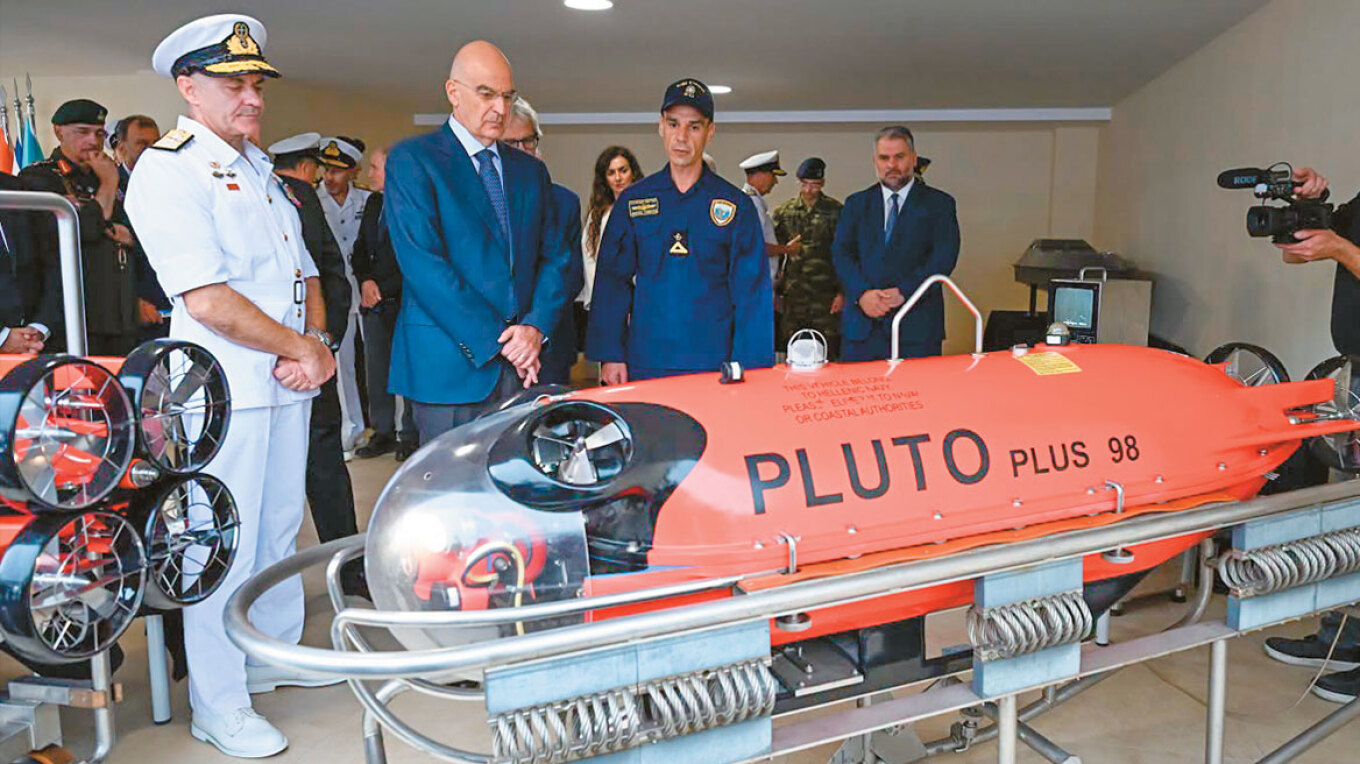
A development that would have seemed unexpected just a few years ago accompanied the inauguration of the Hellenic Navy’s Joint Training Centre for Unmanned and Autonomous Maritime Systems, officially opened earlier this week by Defence Minister Nikos Dendias.
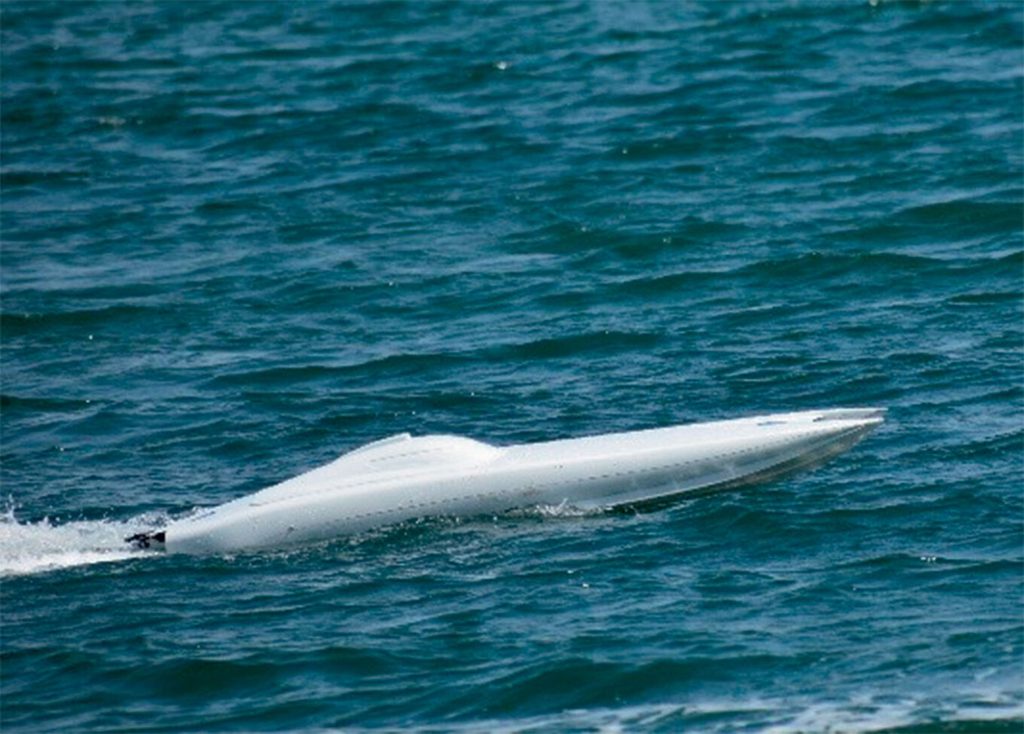
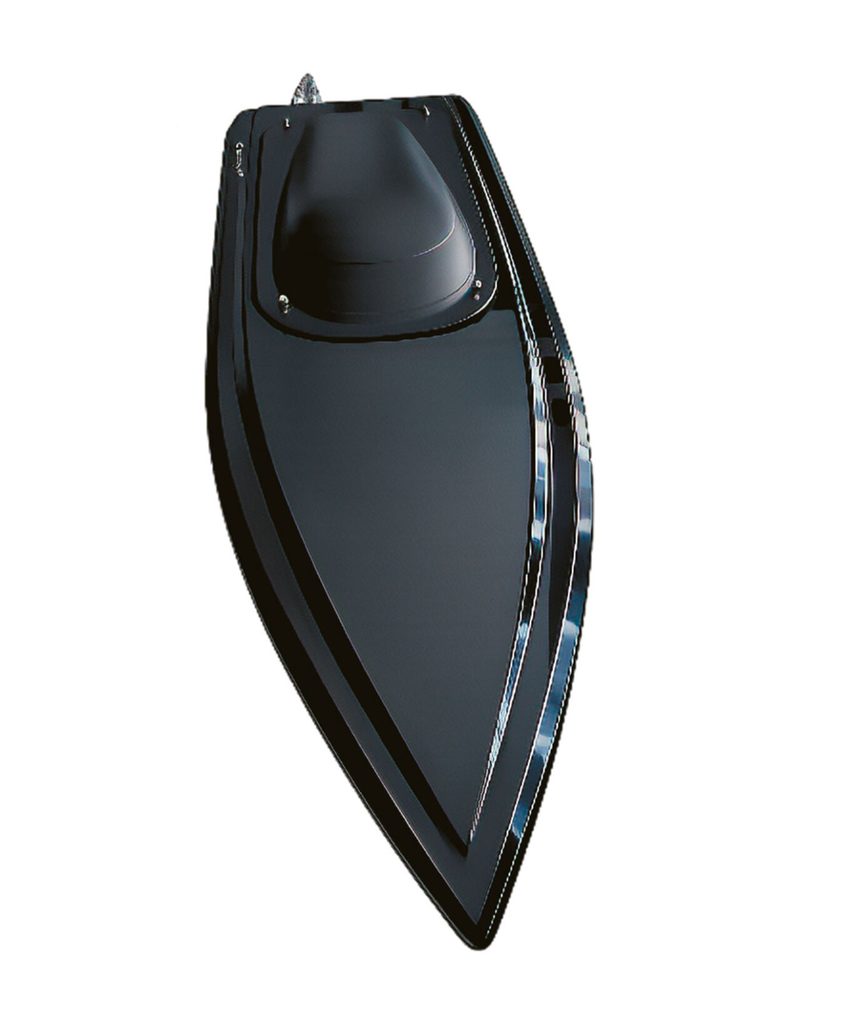
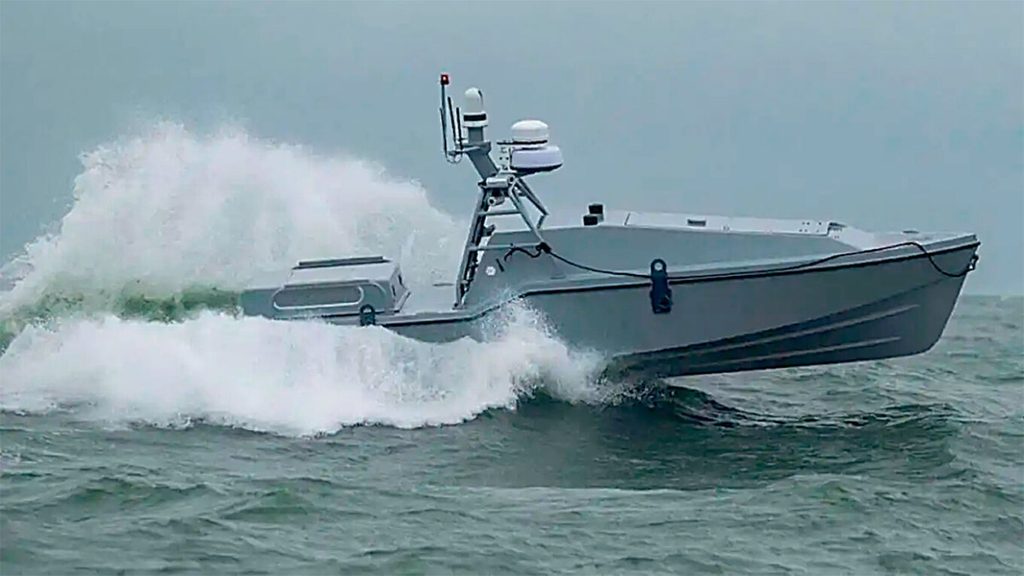
The occasion marked the first public appearance of Pyrpolitis, a Greek-built unmanned surface vessel (USV), signalling the Navy’s transition into a new era of hybrid naval warfare.
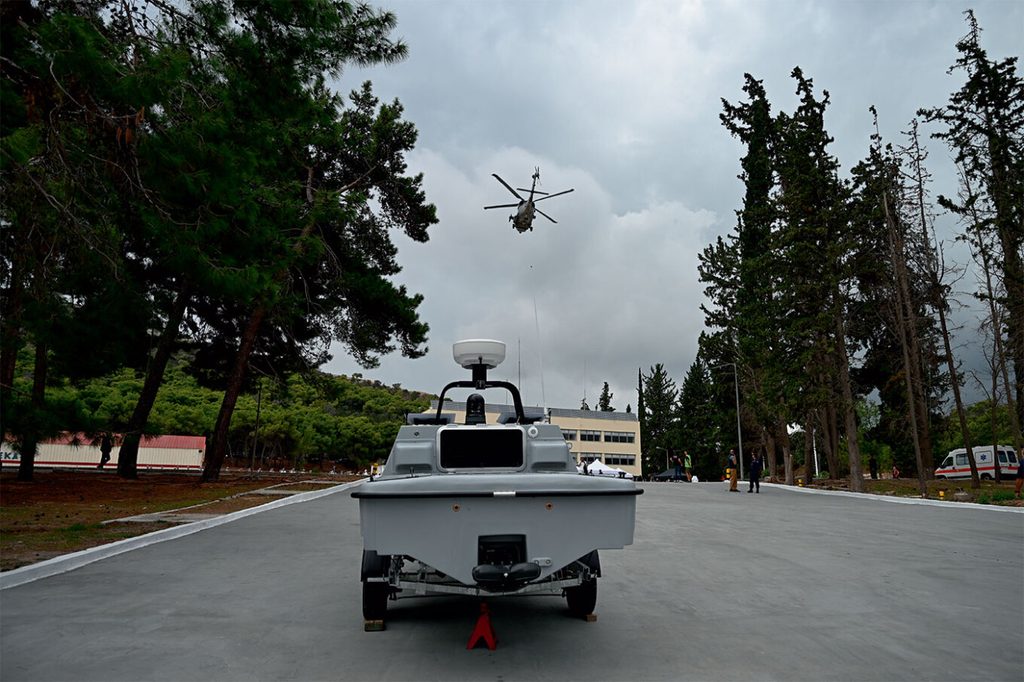
The new training centre, however, represents only one element of the broader transformation towards what officials describe as the “New Navy”.
Alongside the Innovation Centre and the Unmanned Vehicles Command, it forms part of a comprehensive roadmap drawn up by the Hellenic Navy to adapt to the demands of modern warfare.
The Massachusetts Institute of Technology (MIT) has played an important role in this pioneering effort, providing expertise to support the integration of emerging technologies into Greek naval operations.
A specialised training programme completed over the summer provided a springboard for personnel from the Greek Armed Forces to develop and demonstrate their technical capabilities.
In fact, a team of Navy personnel had begun work on an entirely Greek-designed unmanned and autonomous maritime system six months earlier, operating under strict secrecy.
At the Hellenic Naval Academy, which hosted the MIT Triton Summer School in June, the working group’s previously undisclosed plans received valuable technical input.
The intensive MIT programme, delivered to international standards, covered maritime robotics, autonomy, sensors, communications and artificial intelligence. Navy personnel attended the course in two phases as part of a joint-service training initiative.
Among the participants were members of the so-called “Team of Six”, the engineers and specialists behind the development project, who had accelerated construction of the Greek unmanned system under the guidance of the Hellenic Navy General Staff.
“It is an unmanned surface vessel of Greek design, a project of the Hellenic Navy General Staff, and, of course, developed and manufactured in Greece,” Dendias said.
“We built it ourselves. It also incorporates autonomous operating capabilities, which are currently in the final stages of testing.”
In operational terms, Pyrpolitis can gather intelligence, conduct surveillance and reconnaissance, and carry out attacks against surface targets.
According to Dendias, the vessel incorporates a broad range of operational capabilities, while the ministry is already planning its mass production and the development of larger autonomous and unmanned maritime platforms.
The ‘Team of Six’ and artificial intelligence
None of this would have been possible without a decision by the political leadership of the Defence Ministry and the Hellenic Navy General Staff to establish a dedicated design team tasked with developing an entirely Greek unmanned maritime vehicle.
Beyond the initial directive, a decisive factor was the growing culture of innovation within the Armed Forces, particularly in unmanned systems, which is increasingly shaping a new operational doctrine.
The key to the successful development of Pyrpolitis was the creation of a multidisciplinary team that managed to coordinate its efforts quickly and effectively, progressing through design, construction and testing without significant delays.
The six-member team brought together specialists from several critical disciplines.
It included a senior officer with extensive expertise in mechanical engineering, electronics and communications design, alongside naval architects and personnel with specialist knowledge of explosives.
One of Pyrpolitis’s less visible strengths is its resilience in cybersecurity and the protection of digital information infrastructure.
The ‘war of the codes’
Outlining the Navy’s evolving doctrine, Chief of the Hellenic Navy General Staff Vice Admiral Dimitrios-Eleftherios Kataras described a future in which conventional naval units operate alongside interconnected autonomous platforms.
“Our vision is clear: a hybrid Navy, modern, flexible and technologically advanced, capable of planning, training and operating with its modern crewed units, with integrated and interconnected autonomous and unmanned systems as an inseparable part of its combat capability,” he said.
“Artificial intelligence, autonomous systems, unmanned platforms and network-centric command-and-control systems are no longer technologies of the future. They are a reality of the present.”
The emerging naval doctrine extends beyond the purchase of innovative systems and applications.
It also involves Greece entering what could be described as the “war of the codes”, with the development and ownership of domestic software increasingly regarded as strategically important.
“We cannot limit ourselves to the systems we can acquire, even if our approach is based on owning the code and producing in Greece,” Dendias said.
His remarks come as the international debate over military technology increasingly focuses on countries’ ability to develop and control their own software.
The domestic success of Pyrpolitis follows the development of the Greek-made Centaur counter-drone system, which has now acquired export potential.
During the inauguration of the new centre, Dendias also inspected a range of unmanned and autonomous surface and underwater systems.
Among the most notable were Pyrpolitis and Corsair, alongside the underwater systems Pluto Plus, Plutino and Pluto Gigas.
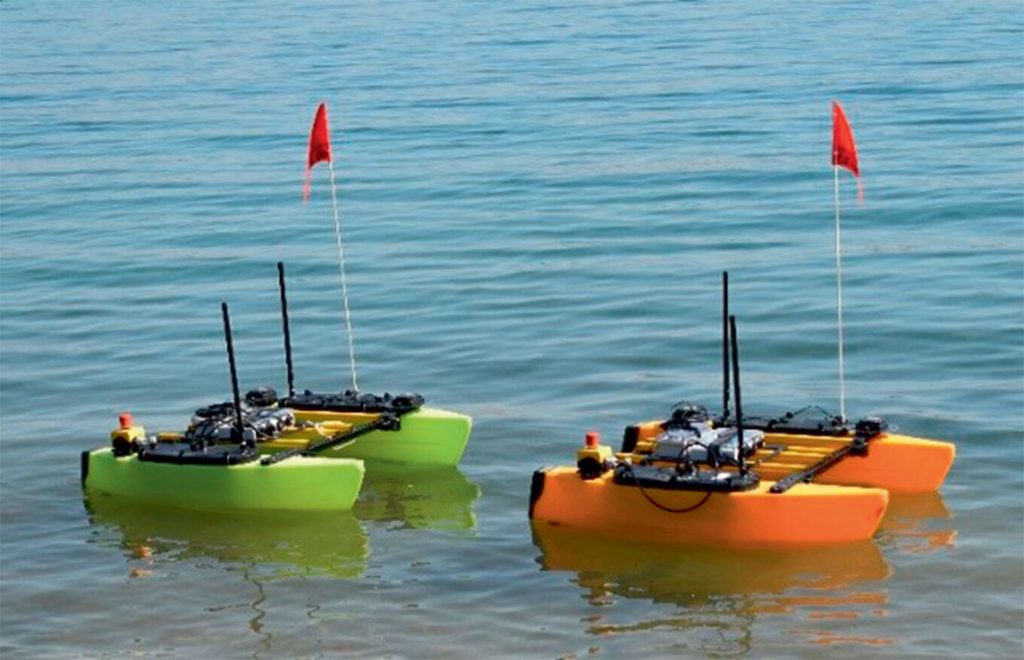
The Flexus-class unmanned surface vessel was originally developed in Portugal as part of a European research programme.
Hellenic Navy personnel subsequently modified its software to make the platform suitable for training purposes.
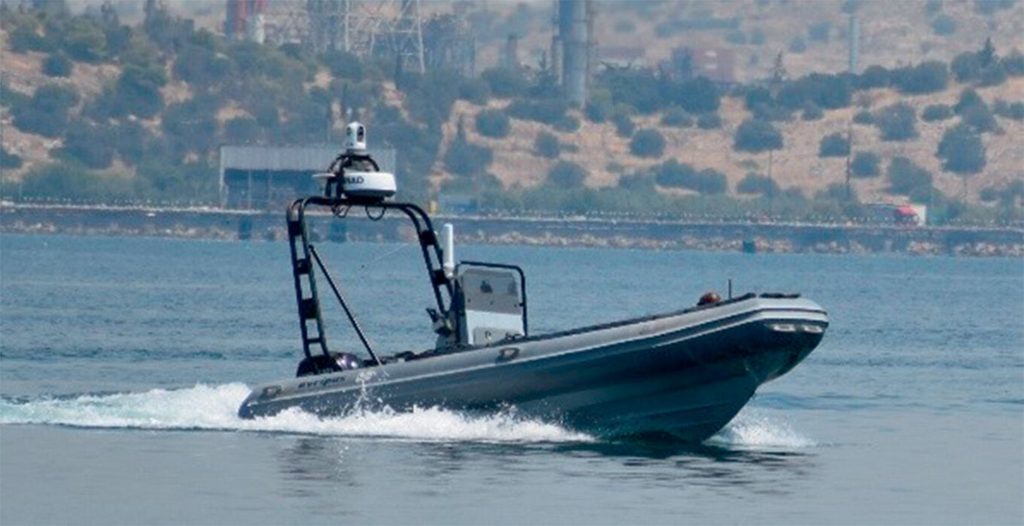
The Niriis-class USV also serves a training role and was manufactured entirely by a Greek defence technology company.
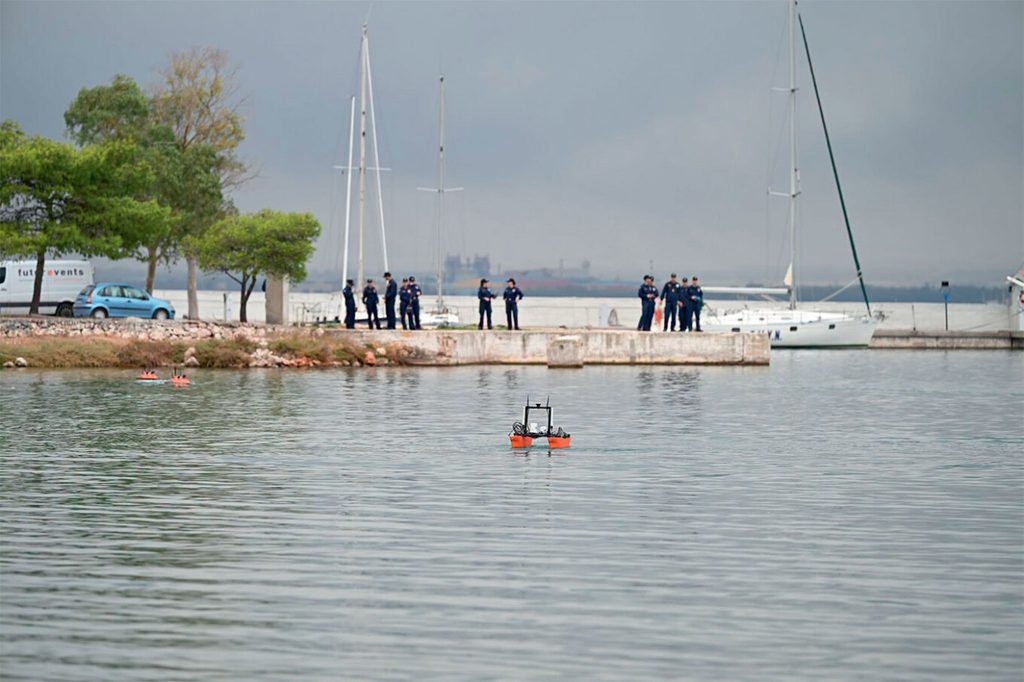
One of the most interesting additions is the American-built Blue Boat unmanned surface vessel, which demonstrates the close cooperation between MIT specialists and the Hellenic Naval Academy in modifying the platform’s original software.
Greece’s Centre for Research, Technological Development and Innovation (KETAK) has also contributed to the Navy’s transformation.
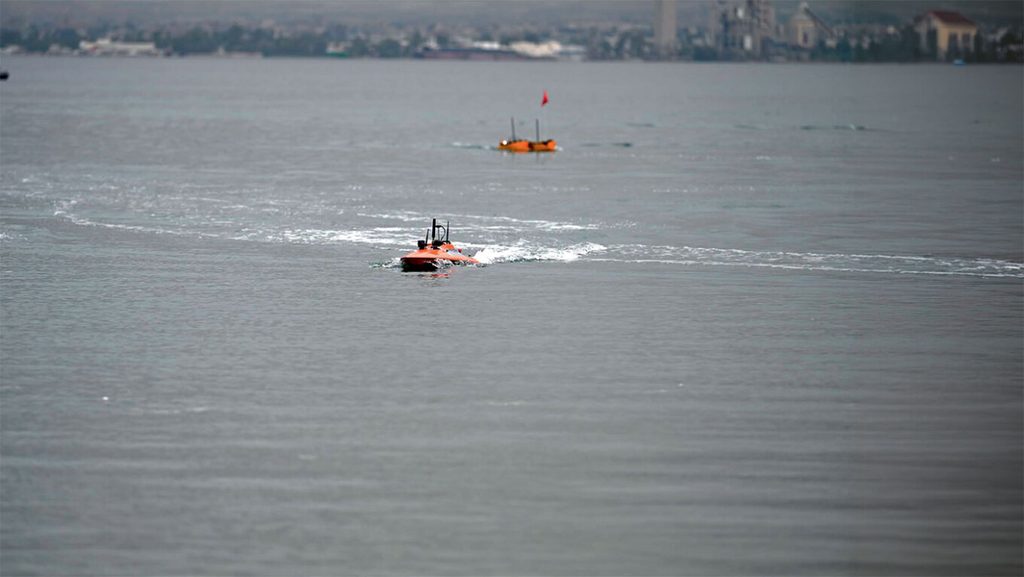
The centre developed the MESE, Kanaris 1 and Kanaris 2 unmanned surface vessels, further expanding Greece’s growing portfolio of domestically developed maritime systems.
Minehunters on the horizon
Beyond unmanned surface vessels, the Hellenic Navy also operates Italian-built unmanned underwater vehicles, including Pluto Plus and Plutino Miki.
The acquisition of Pluto Gigas is currently undergoing the contracting process.
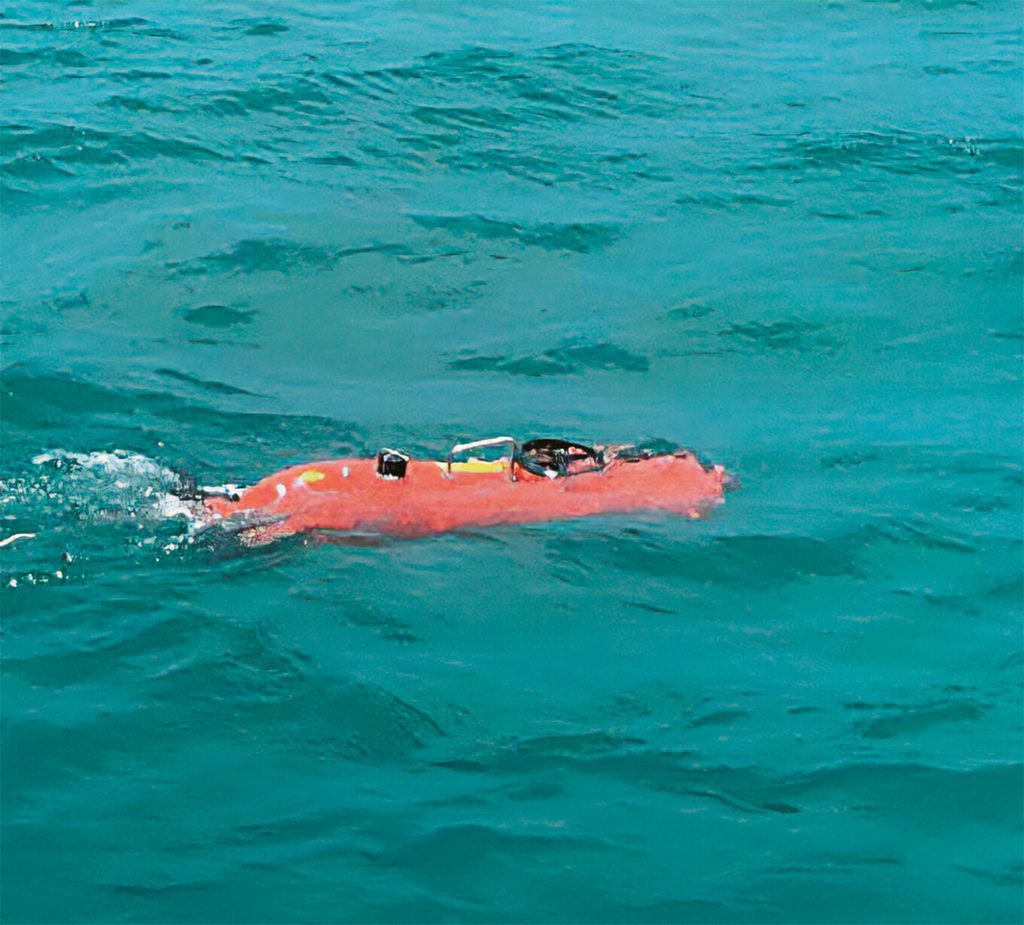
These underwater systems are particularly relevant to another potential development in Greece’s naval modernisation programme.
Athens is currently holding discussions with Italy over the possible purchase of two second-hand minehunting vessels equipped with Pluto and Pluto Gigas unmanned systems.
Such an acquisition would give further momentum to the Navy’s efforts to strengthen its underwater mine-countermeasure capabilities.
Pyrpolitis remains the flagship of the Hellenic Navy’s growing fleet of unmanned and autonomous systems.
However, the American-built Corsair USV also offers advanced capabilities, incorporating sophisticated artificial intelligence technology.
Ask me anything
Explore related questions




