





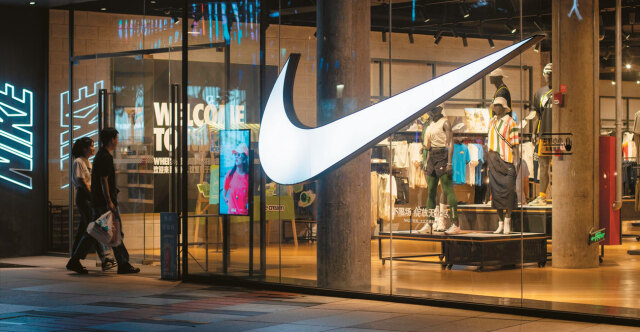
For decades, Nike has been more than a sportswear manufacturer. It has been a cultural phenomenon, a global symbol of athletic excellence and a brand capable of transforming ordinary trainers into objects of desire. Yet the American giant now faces one of the most challenging periods in its history, with billions wiped from its stock market valuation, growing competition and questions about whether its famous Swoosh still possesses the appeal that once made it almost untouchable.
The figures illustrate the scale of the problem. Having reached a market capitalisation of approximately $260 billion to $280 billion in 2021, Nike is now valued at around $55 billion to $57 billion. At the upper end of those estimates, the decline amounts to approximately $230 billion in five years.
Its share price tells a similarly troubling story. From a peak of roughly $178 in November 2021, Nike shares have fallen below $38, reflecting a dramatic deterioration in investor confidence.
Although a fall in market capitalisation does not represent an equivalent operating loss, the erosion of value is striking for a company that has dominated the global athletic footwear and apparel market for generations.
A new generation of competitors challenges Nike’s dominance
Nike’s difficulties cannot be explained by a single factor. Weakening sales in China, changing consumer preferences and the emergence of increasingly fashionable competitors have combined to undermine its once-commanding position.
Adidas remains Nike’s principal global rival, but two younger brands, Switzerland’s On and Hoka, have been attracting considerable attention.
Both have built their reputations around running shoes, emphasising comfort, innovative technology and performance. Their appeal increasingly extends beyond dedicated runners to consumers seeking everyday footwear that combines functionality with contemporary design.
Their rapid expansion is particularly remarkable because neither possesses anything approaching Nike’s vast product range, global distribution network or marketing resources.
The difference in scale remains substantial. Nike generates annual revenue of approximately $46 billion, with footwear accounting for the majority of its business. Adidas follows at some distance, while On and Hoka remain significantly smaller operations.
Nevertheless, their growing influence has raised an uncomfortable question: has Nike become so ubiquitous that its products are losing the exclusivity and excitement that made them desirable?
From sporting innovation to a global lifestyle empire
Nike’s success was built on doing things differently.
Founded in 1964 and later renamed after Nike, the ancient Greek goddess of victory, the company challenged established European manufacturers with distinctive designs, bold colours and an increasingly ambitious marketing strategy.
During the 1980s, its trainers became fashion statements rather than simply sporting equipment. Nike helped redefine the relationship between athletic performance and popular culture, creating products that consumers wanted to wear regardless of whether they participated in sport.
Perhaps its greatest achievement was its partnership with basketball legend Michael Jordan. The Air Jordan range became a commercial and cultural phenomenon, eventually developing into a powerful brand in its own right.
Nike also expanded through brands including Converse, strengthening its presence across different generations and consumer groups.
But the very strategy that made Nike extraordinarily successful may now be contributing to its difficulties.
With its products available almost everywhere and its logo appearing on countless items of clothing and footwear, the company faces the challenge of maintaining desirability in an increasingly crowded market.
Meanwhile, smaller rivals can present themselves as alternatives to mass-market sportswear, offering consumers a sense of discovery that Nike once embodied.
Mbappé and Yamal: The sporting superstars turning away from Nike
The changing competitive landscape is perhaps most visibly illustrated by the departure of two of football’s biggest names.
In September 2026, French international Kylian Mbappé ended his approximately 20-year association with Nike to join Swiss sportswear company On.
The agreement represents a significant breakthrough for On, which has established itself in running and tennis and is now preparing to enter football, with plans to introduce its first football boots in 2027.
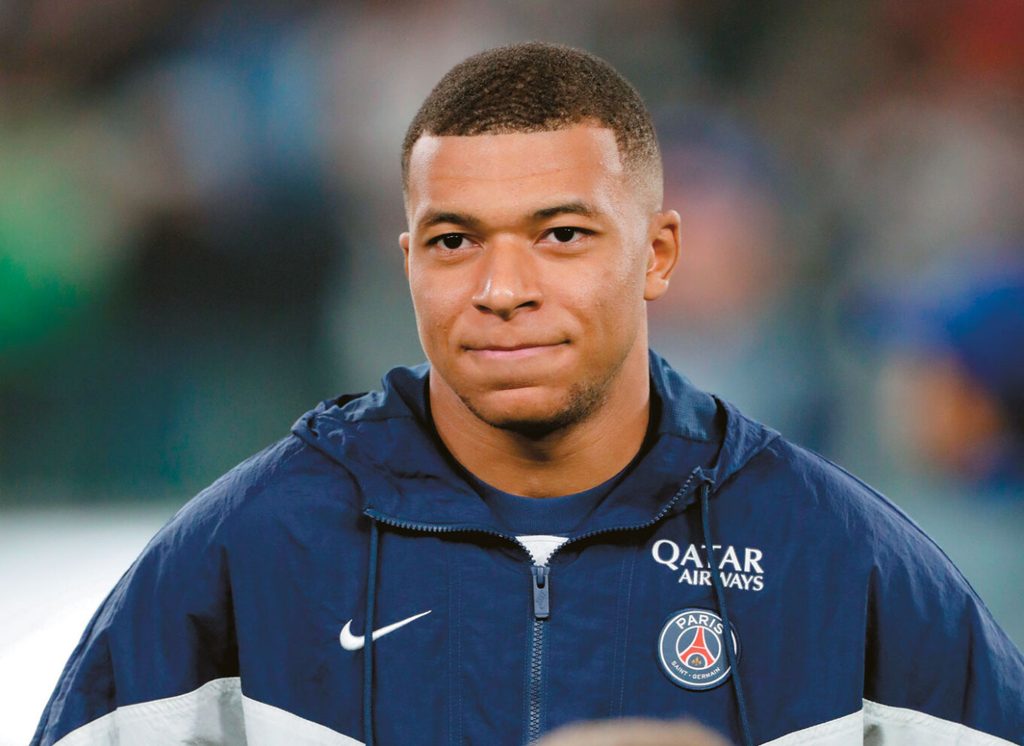
The company has also recruited former France international Thierry Henry as its director of football.
For Nike, losing a player of Mbappé’s commercial influence represents another symbolic setback, even if the financial significance of individual endorsement agreements is difficult to measure.
Spanish sensation Lamine Yamal has also moved away from Nike, signing with Adidas.
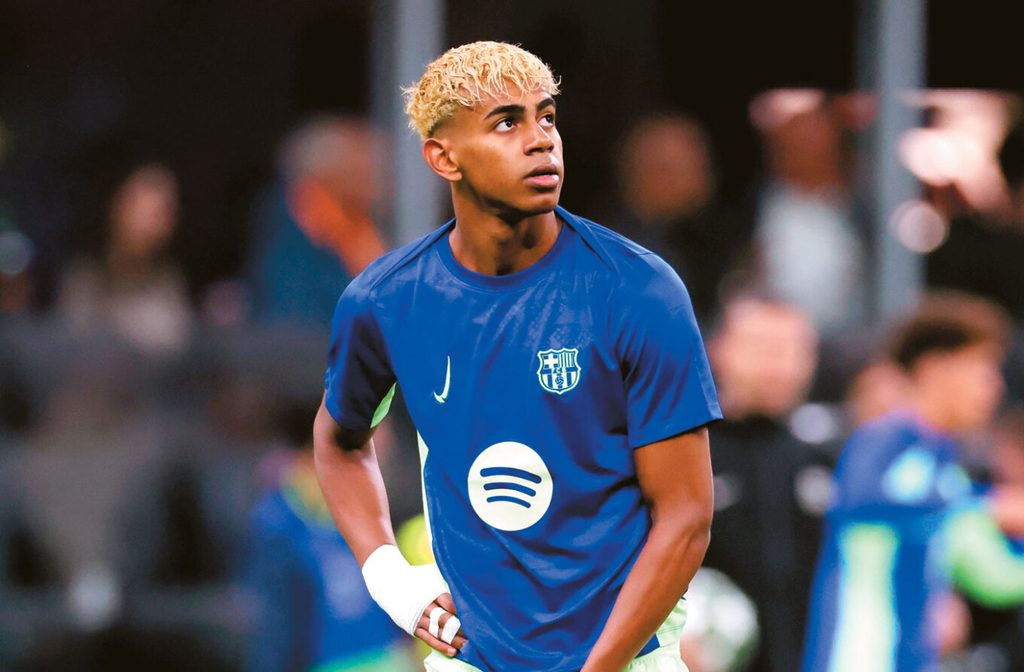
Yamal has explained that Nike already had an extensive collection of prominent sporting ambassadors, while Adidas offered him greater opportunities to stand out.
His reasoning highlights an intriguing weakness in Nike’s traditional approach: having so many superstars under contract can make it more difficult for individual athletes to establish distinctive identities within the brand.
Kylian Mbappé and Lamine Yamal are among the high-profile footballers who have left Nike for rival sportswear brands.
Nike has historically relied on some of the most recognisable personalities in global sport to maintain its image.
Cristiano Ronaldo, Serena Williams and Tiger Woods have all contributed enormously to the company’s international standing, although Woods ended his relationship with Nike in 2024.
Yet sporting icons cannot remain at the height of their influence indefinitely. Younger consumers are increasingly drawn to emerging stars, different sporting cultures and brands that reflect changing tastes.
Nike must therefore find ways to connect with a new generation without relying exclusively on the celebrity partnerships that helped establish its global empire.
China becomes a crucial battleground
Beyond celebrity endorsements, Nike faces an even more pressing commercial challenge in China.
The Chinese market was once a major driver of its international expansion, but its recent performance has deteriorated, with declining sales adding pressure to the company’s overall results.
Weak consumer demand, changing shopping habits and competition from domestic sportswear manufacturers have made the market increasingly difficult.
For chief executive Elliott Hill, restoring Nike’s fortunes in China has become a major priority.
His strategy includes reviewing the company’s distribution network, strengthening relationships with local business partners and developing products designed specifically for Chinese consumers.
The approach reflects a broader recognition that Nike cannot necessarily rely on the same products and marketing strategies to succeed in every market.
Chinese consumers have increasingly sophisticated preferences, while local brands are competing more effectively on innovation, design and cultural relevance.
Winning back customers will require Nike to demonstrate that it understands the market rather than merely relying on its international reputation.
Elliott Hill’s mission to rebuild the sportswear giant
Nike has turned to one of its most experienced executives to lead its recovery.
Elliott Hill, who spent decades at the company before retiring, returned in 2024 to become president and chief executive.
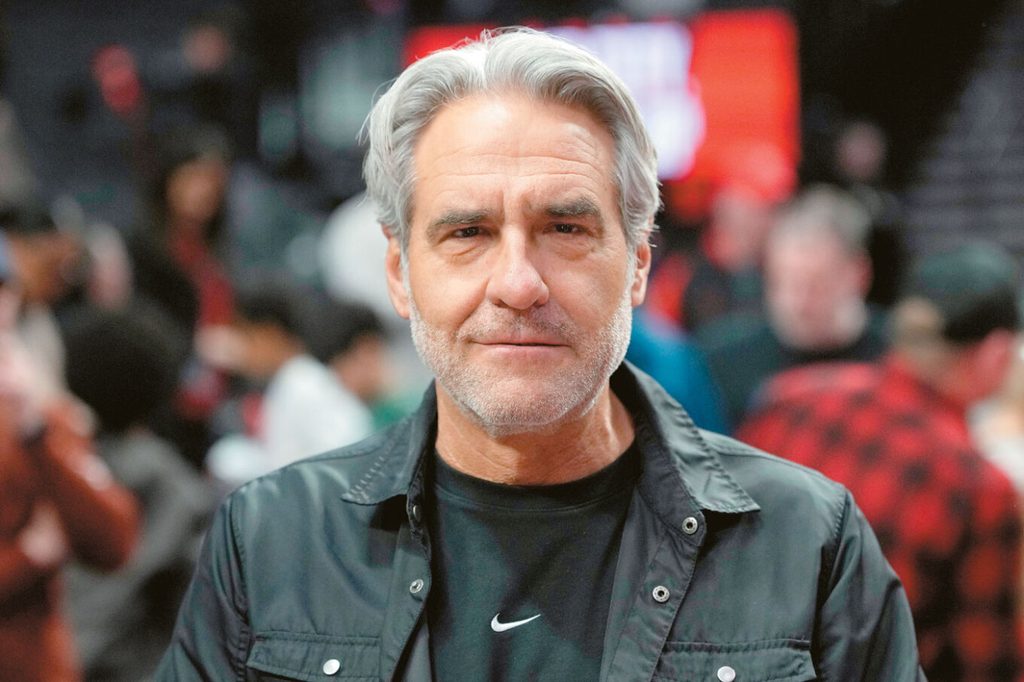
His appointment was intended to restore the company’s connection with its sporting heritage and reverse the decline in its commercial momentum.
The restructuring effort includes changes to distribution, renewed emphasis on product development and reductions in parts of its workforce.
Nike has approximately 73,000 employees worldwide, making even relatively modest percentage reductions significant in terms of jobs.
But cost-cutting alone will not solve the company’s underlying difficulties.
Hill must also restore Nike’s ability to create products that consumers regard as innovative and exciting. That means strengthening relationships with athletes, reconnecting with sporting communities and ensuring the brand remains relevant to changing lifestyles.
Nike chief executive Elliott Hill returned to the company in an effort to restore its former prestige and reverse its declining fortunes.
Can Nike become Nike again?
The fundamental challenge facing Nike is not simply the arrival of new competitors or the loss of several prominent sporting ambassadors.
It is whether the company can rediscover the characteristics that transformed it from an ambitious American footwear business into one of the world’s most recognisable brands.
On and Hoka have demonstrated that smaller companies can attract consumers by emphasising specialist performance, authenticity and fresh design.
Adidas continues to provide formidable competition, particularly in football and lifestyle footwear.
Nike, meanwhile, must manage the complexity of an enormous multinational business while attempting to recover the entrepreneurial energy that once defined it.
Despite its difficulties, the company retains enormous advantages: global recognition, extensive distribution networks, valuable sporting partnerships and decades of experience in product innovation.
Its current position is therefore far from a story of inevitable decline.
But the scale of its lost market value demonstrates that even the most powerful brands cannot take consumer loyalty for granted.
For Hill, the task ultimately comes down to a deceptively simple ambition: finding a way to make Nike feel like Nike again.
Ask me anything
Explore related questions




