





A draft bill from the Ministry of Infrastructure and Transport is set to introduce changes to Greece’s Highway Code, aimed at making penalties more proportionate without weakening the strict core of road safety rules. The legislation is expected to go out for public consultation in the coming period.
Among the changes included in the forthcoming bill are revisions to cases in which driving licences are confiscated, such as when a driver is caught driving a vehicle in a category not covered by their licence. Penalties for certain parking offences will also be reviewed.
Speaking to the Athens-Macedonian News Agency (AMNA), Deputy Minister of Infrastructure and Transport George Kotsiras said: “We are maintaining the overall philosophy of the Highway Code intact, as it is a key tool in our efforts to reduce road accidents. We remain committed to taking a tough approach to serious offences, while making targeted amendments in cases involving lower-risk violations, so that penalties are more proportionate and effective.”
As Mr Kotsiras has indicated, one of the proposed changes would offer drivers an incentive to obtain the appropriate driving licence if they are found to be driving a vehicle in a category not covered by their existing licence.
For example, if a motorcyclist is caught riding with a licence for a lower category of motorcycle, instead of having their licence confiscated for one year, they would be able, after one month and provided they have paid the fine, to sit the examination required to obtain a licence for the higher category. If they pass, their licence would then be returned without having to wait for a year, as is currently required.
Changes are also expected to the penalties for illegal parking, with the Ministry of Infrastructure and Transport considering increasing the financial fine while reducing the period for which the driving licence is confiscated. It should be noted, however, that strict penalties will remain in place for serious and anti-social parking offences, such as parking in spaces designated for people with disabilities, on pavements, pedestrian crossings or bus lanes.
Ministry of Infrastructure and Transport officials stress that the government’s aim is to bring Greece’s road fatality rate in line with the European Union average. They point out, by way of example, that in the first ten months of 2026, there were 56 fewer road deaths than during the same period last year, as well as a significant reduction in the number of injuries.
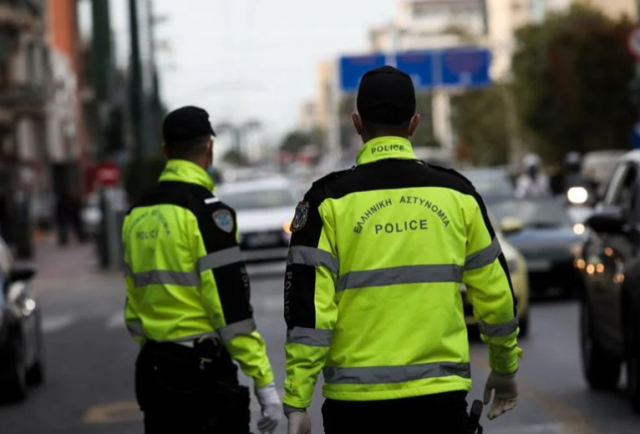
A multi-faceted effort is under way, involving stricter enforcement of the Highway Code, more checks by the Hellenic Police – particularly targeting drink-driving – and the use of traffic cameras, which serve both as a deterrent and as a preventive measure.
Ask me anything
Explore related questions




