






In an in-depth interview to Wired magazine, Edward Snowden, a former NSA contractor who leaked sensitive information about US surveillance program, described himself as a patriot who cares more about his country than what happens to him.
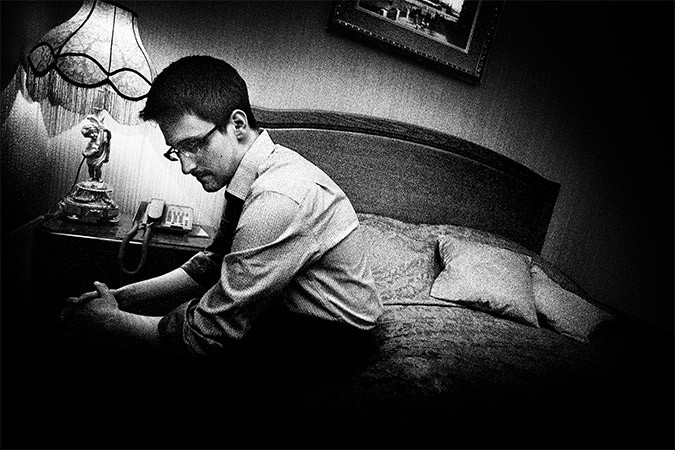
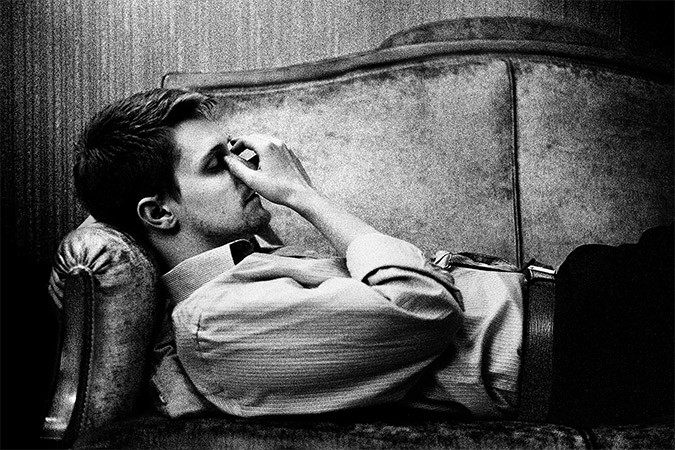
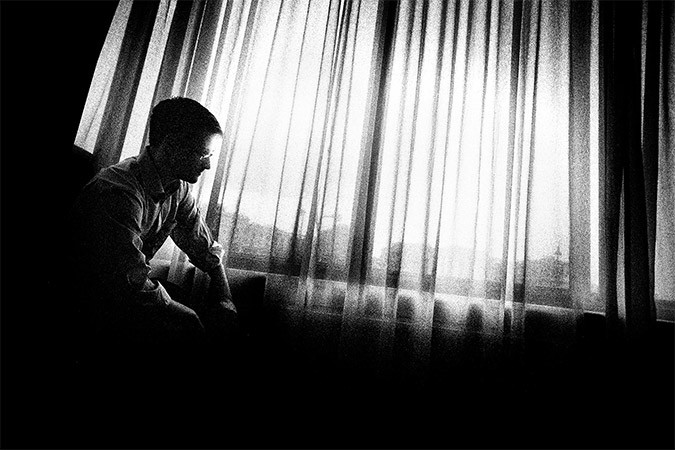
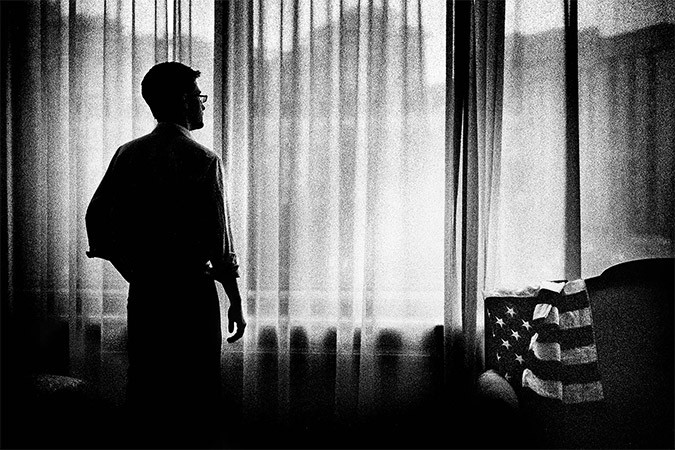
The interview has already caused much controversy in the US due to Snowden’s revelations and to the accompanying photos that apparently show him throw the American flag on a couch.
Despite his past as an NSA whistleblower, Snowden states that he cares more about his country than what happens to him. He adds that “we can’t allow the law to become a political weapon or agree to scare people away from standing up for their rights, no matter how good the deal,” thereby excluding the possibility to return to the States and to proceed in a kind of deal with the NSA, although he says that he’d volunteer for prison, as long as it served the right purpose.
In an interview granted under the utmost secrecy to James Bamford after a year of persistence and after taking all the necessary operational security precautions – such as removing the battery from his phone – Snowden describes his life, his collaboration with the National Security Agency and the CIA and the reasons that led him to become a whistleblower. Snowden is living on New York time, the better to communicate with his stateside supporters and stay on top of the American news cycle. He also avoids areas in Moscow frequented by Americans and other Westerners.
Talking about his childhood – although he did not want to get into details – he revealed that rather than spending hours watching television or playing sports as a kid, he fell in love with books, especially Greek mythology. “I remember just going into those books, and I would disappear with them for hours,” he says.
According to Snowden, reading about myths played an important role growing up, providing him with a framework for confronting challenges, including moral dilemmas: “I think that’s when I started thinking about how we identify problems, and that the measure of an individual is how they address and confront those problems. That’s when I started thinking on how to recognize problems and concluded that the value of a human being arises from how you treat these problems.”
Snowden also revealed in the interview that he actually intended the government to have a good idea about what exactly he stole. Before he made off with the documents, he tried to leave a trail of digital bread crumbs so investigators could determine which documents he copied and took. That way, he hoped, the agency would see that his motive was whistle-blowing and not spying for a foreign government. It would also give the government time to prepare for leaks in the future, allowing it to change code words and revise operational plans. But he believes the NSA’s audit missed those clues and simply reported the total number of documents he touched, which is 1.7 million. “I figured they would have a hard time. I didn’t figure they would be completely incapable,” he said.
Snowden believes that the government fears that the documents contain material that’s deeply damaging. He explains that, “the fact that the government’s investigation failed -that they don’t know what was taken and that they keep throwing out these ridiculous huge numbers – implies that somewhere in their damage assessment they must have seen something that was like, ‘Holy shit.’ And they think it’s still out there.”
Snowden, however, was not always sure that his actions would have the desired impact. He remembers thinking during his first flight to Hong Kong, on his way to reveal himself as the leaker of shocking secrets that “it was likely that society collectively would just shrug and move on.”Instead, the NSA’s surveillance has become one of the most pressing issues in the national conversation.
What led him to become a whistleblower
His first concerns about the practices of US intelligence were raised during the Bush period, “when the war on terror had gotten really dark,” he says. “We were torturing people; we had warrantless wiretapping.”
Then, he began to consider becoming a whistle-blower, but with Obama about to be elected, he held off. “Obama said that we’re not going to sacrifice our rights. We’re not going to change who we are just to catch some small percentage more terrorists,” Snowden explains.
But Snowden grew disappointed as, in his view, Obama didn’t follow through on his lofty rhetoric. “Not only did they not fulfill those promises, but they entirely repudiated them. They went in the other direction. What does that mean for a society, for a democracy, when the people that you elect on the basis of promises can basically suborn the will of the electorate?” he wonders.

Ask me anything
Explore related questions




