





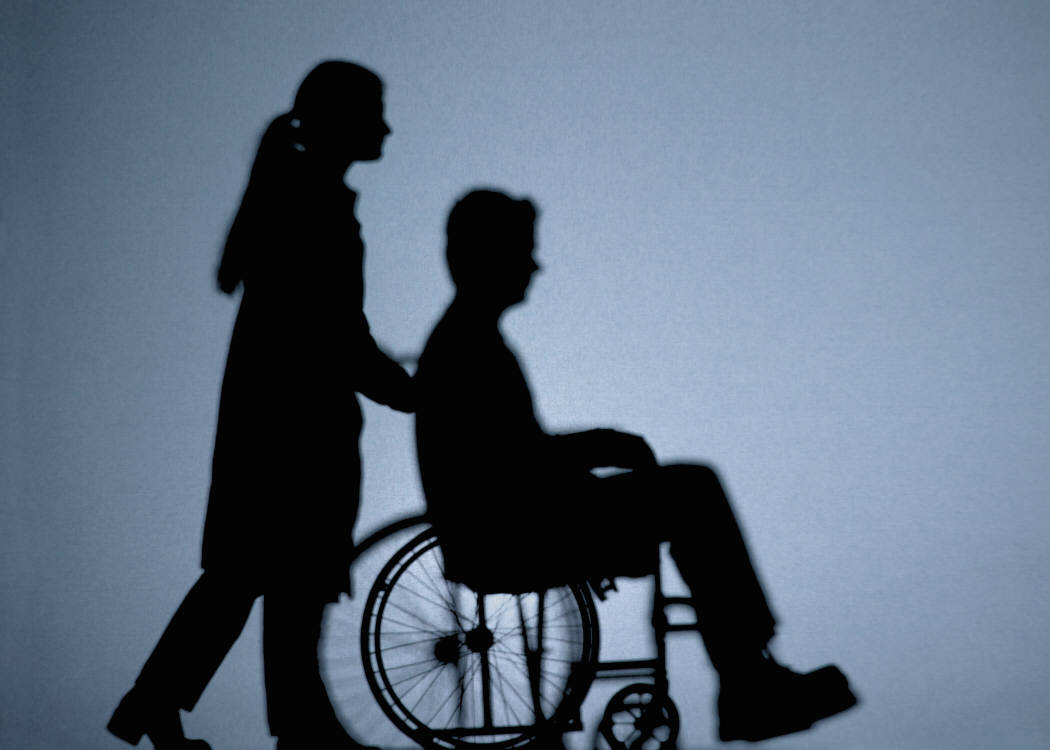
December 3 is International Day of Persons with Disabilities. Around 44 million people aged 15 to 64 in the European Union (EU28) have reported a disability, often preventing them from taking part fully in society and the economy. Whether in the labor market, in the education system or for social inclusion indicators, the situation of disabled persons in the EU28 is less favourable than that of non-disabled people.
Eurostat shows that persons with disabilities had a more limited access to the labor market in the EU28 in 2011: while the employment rate of people aged 15 to 64 without disability was 66.9%, this rate was much lower (47.3%) for those with disabilities. The pattern was the same for access to education and lifelong learning in the EU28: the participation rate in education and training of non-disabled people aged 25-64 was 9.8% in 2011, compared with 6.9% for those with disabilities. The gap existing between non-disabled and disabled persons was also noticeable for social inclusion: while the at-risk of poverty or social exclusion rate was just over 20% for non-disabled people aged 16 and over (21.4%) in the EU28 in 2013, this share stood at almost 30% for disabled persons (29.9%).
Highest employment rate for people in Sweden, lowest in Hungary
In all EU28 Member States, the employment rate of persons aged 15-64 was higher in 2011 for non-disabled people than for disabled. The employment rate of disabled people was less than a third in Hungary (23.7%), Ireland(29.8%), Bulgaria(30.7%), Romani (31.8%), Slovakia (31.9%) and Croatia (33.0%). On the contrary, employment rates above 60% were recorded in Sweden (66.2%), Luxembourg (62.5%), Finland (60.8%) and Austria (60.3%). At EU28 level, the employment rate of disabled people aged 15-64 was 47.3% in 2011.
In Greece the employment rate for people with disabilities was at 35.5% and 58.5% for non-disabled people with a 23% gap.
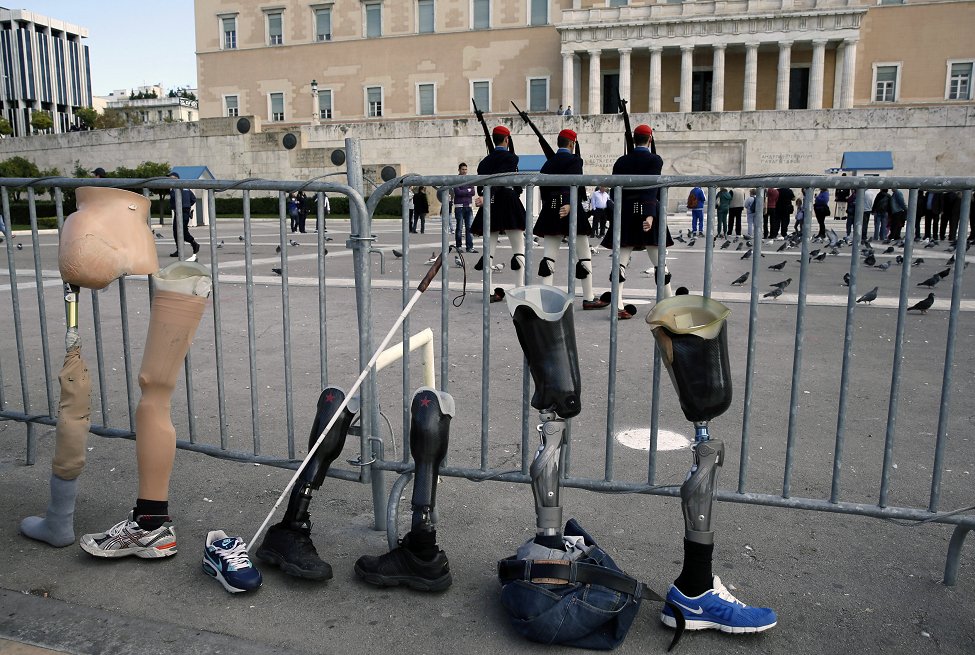
Widest gaps in the emplyoment rates of disabled and non-dsabled people in Hungary and the Netherlands
In 2011 across the EU, the largest differences between the proportion of disabled people and that of non-disabled people in employment were recorded in Hungary and the Netherlands at 37.4%. At the opposite end of the scale, gaps less than 10% were noted in Luxemberoug (2.4%), Sweden (9.5%) and France (9.9%). In Greece the gap was at 23%, whereas in the EU28, the margin between disbaled people (47.3%) and non-disabled people (66.9%) at work was 19.6% in 2011.
Equal access to lifelong learning for disabled and non-disabled people in Sweden, France, Ireland and Greece
Trends similar to those observed in the labor market can be seen for access to education. in each of the EU28 Member States for which data are availab.e. Lifelong learning was lower in 2011 for disabled people than for non-disabled people between the ages of 25 and 64 years.
Significant differences were noted across the EU. In Sweden, the participation rates for lifelong learning were almost the same for disabled and non-disabled people (26.2% for disabled and 27.3% for non-disabled, 1.1% difference), France (1.3% difference), Ireland and Greece (1.8% difference, while Slovenia (9.6% for disabled and 19.3% for non-disabled had a 9.7% difference) and Denmark had an 8.7% difference.

At risk of poverty or social exclusion rates mainly in Bulgaria and Belgium, least in Greece and Spain
The share of disabled people aged 16 and over being at risk of poverty or social exclusion is higher than for non-disabled people in all EU28 Member States.
In 2013 across Member States, the largest differences between the share of disabled people and non-disabled people aged 16 and over being at risk of poverty or social exclusion were observed in Bulgaria (63.7% for disabled people compared with 44.1% for non-disabled people, or +19.6 percentage points), followed by Belgium (+17.7 pp), Lithuania (+16.3 pp), Estonia (+15.9 pp) and the United Kingdom (+15.0 pp). On the contrary, the smallest differences were recorded in Greece (36.8% for disabled people compared with 34.5% for non-disabled people, or +2.3 percentage points), Spain (+3.7 pp), Luxembourg (+4.3 pp) and Italy (+4.4 pp). At EU28 level, the difference between the at-risk-of-poverty or social exclusion rate for disabled people (29.9%) and for non-disabled people (21.4%) was +8.5 pp in 2013.

Hephaistos, the disabled Greek god of fire and metalwork
Ask me anything
Explore related questions




