





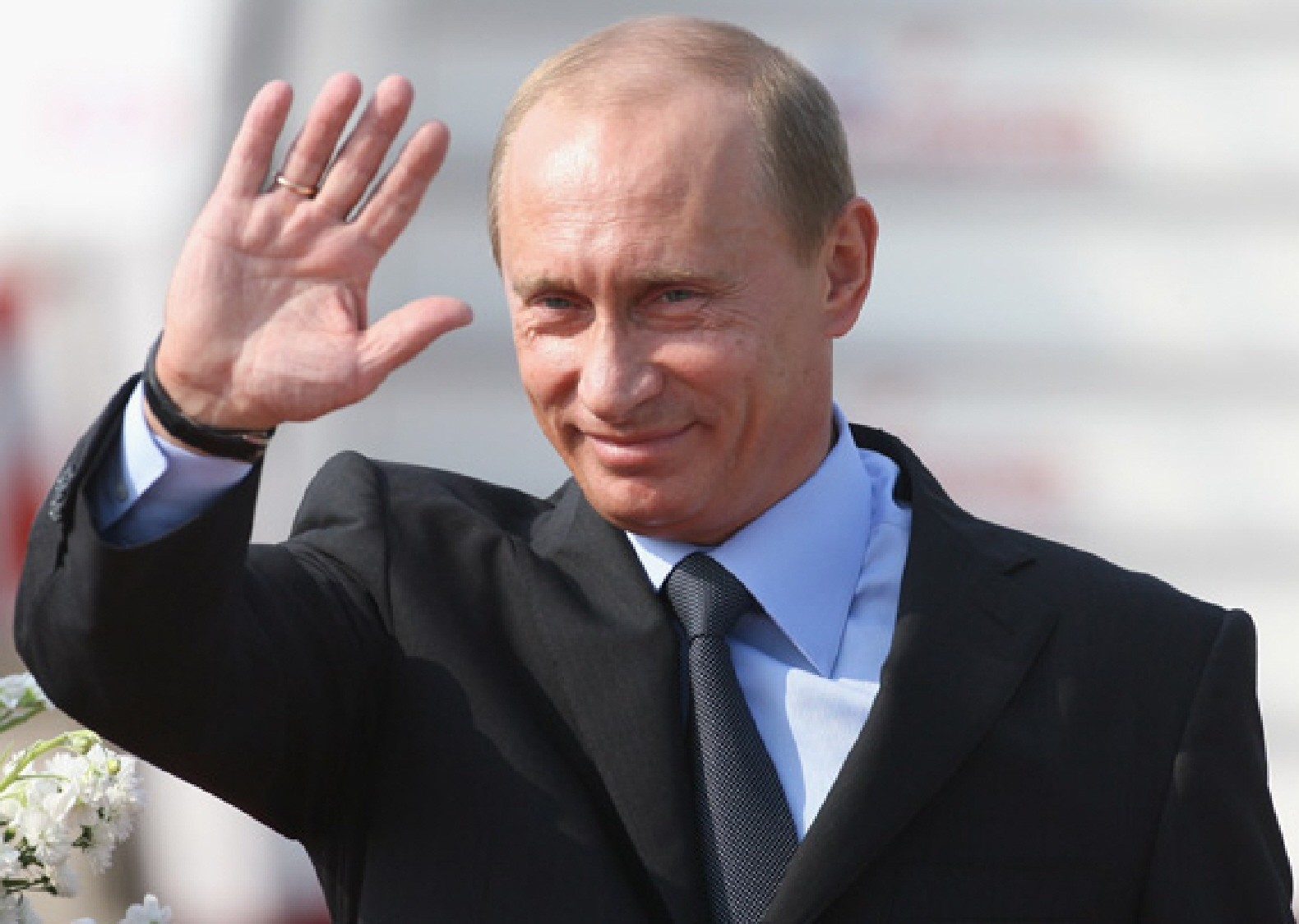
The article published by “New York Times” provides another dimension at an international level concerning the political action of the European far-right wing.
The article focuses mainly on the “rhetoric” of the far-right party of France, the National Front, but it also refers to the UK Independence Party UKIP, while stressing that “Europe’s right-wing populists have been gripped by a contrarian fever of enthusiasm for Russia and its president, Vladimir V. Putin and that, among others, they argue that Europe needs to cut its tie with the U.S. and turn to Russia as a force of peace and protector against moral decay,”.
Also, the article refers to a study performed by the Political Capital Institute, a Hungarian research group based on which “Russian influence in the affairs of the far right is a phenomenon seen all over Europe,”. It is also mentioned that “far-right parties, spearheaded by the French National Front, could form a pro-Russian bloc in the European Parliament or, at the very least, amplify previously marginal pro-Russian voices,”.
Moreover, according to the article, “the pro-Russian sentiments are limited to the fringes of European politics, while the sympathy expressed for Russia and the suspiciousness expressed for the U.S. are partly tactical options” which “reflect general crumbling of public trust in the beliefs and institutions that prevailed in Europe since the end of World War II, including its relationship with the U.S.”.
Also, it is noted that Russia has reinforced “its allure through the financing, mostly with corporate money, of media, research groups and other European organizations that promote Moscow’s take on the world”.
Finally, the article presents the view of the director of policy research group, “Vote Watch Europe”, based in Brussels according to whom “in general, the sympathy of far-right Europeans for Mr Putin is simply opportunistic rather than ideological, a convergence of interests aiming to weaken the EU,”.
Ask me anything
Explore related questions




