





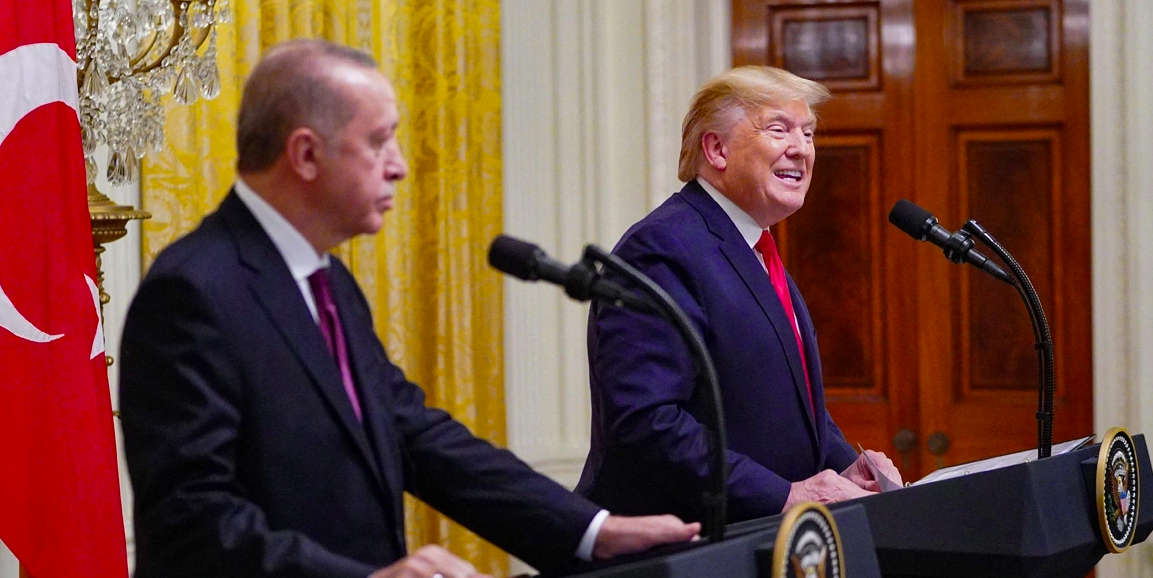
Donald Trump’s recent return to the international stage is reshaping the geopolitical balance in the Eastern Mediterranean and the Middle East.His visit to the Gulf states and signals of potential involvement in Ukraine have triggered a new diplomatic dynamic — one that elevates Turkey’s role, sidelines Israel, and places Greece in a challenging position. Trump’s foreign policy remains rooted in a transactional, deal-making approach, favoring strategic partnerships based on interests rather than traditional alliances or democratic values.

Turkey, under President Recep Tayyip Erdoğan, is emerging as a key regional power, capitalizing on its strategic geography and role as a mediator in the Russia-Ukraine conflict. By maintaining open channels with both Russia and the West, and showcasing its domestic defense industry (especially in drones), Turkey is asserting its independence from the West while still reaping its benefits. Erdoğan’s assertive foreign policy, once seen as destabilizing, is now being reinterpreted as a stabilizing force in a region marked by unpredictability.
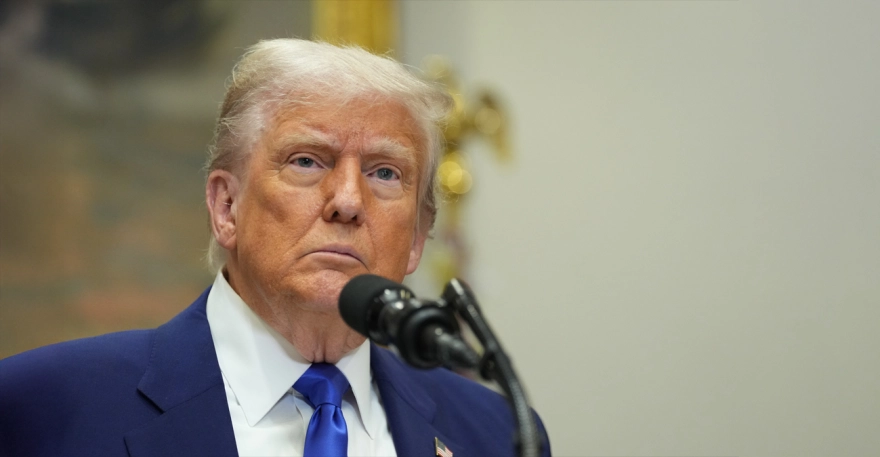
Trump’s approach appears to be shifting away from old allies like Israel and toward new power centers in the Arab world and Turkey. During his Gulf tour, Arab states pledged investments of $4.5 trillion, and Qatar presented him with a lavish gift — a $400 million Boeing 747-8. Trump’s rhetoric emphasizes peace and prosperity through strong leadership and direct negotiation, rather than through international institutions or multilateral agreements. This shift includes a reassessment of U.S. support for Israel, particularly in light of the Gaza conflict and Netanyahu’s domestic struggles.
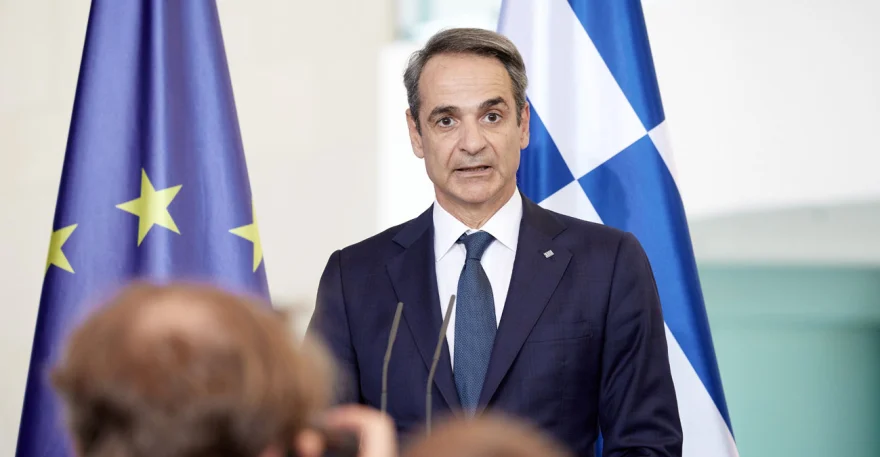
For Greece, these changes are deeply concerning. Athens is now flanked by a more diplomatically confident Turkey and a potentially weakened Israel. While tensions in the Aegean have been kept under control, Turkey continues to press Greece to scale back its maritime and sovereign claims, particularly in the Eastern Mediterranean. Ankara’s growing closeness with Gulf countries and efforts to rejoin major Western defense programs, like the F-35 project, further complicate Greece’s strategic calculations.
The regional energy projects involving Greece, Cyprus, and Israel — including the Crete-Cyprus electricity interconnection — are also under pressure. Turkey views these initiatives as exclusionary and provocative, despite their strategic and environmental importance for the EU. Moreover, the delay in the Greece-Turkey High-Level Cooperation Council meeting indicates lingering mistrust and unresolved tensions, despite a temporary lull in rhetoric.
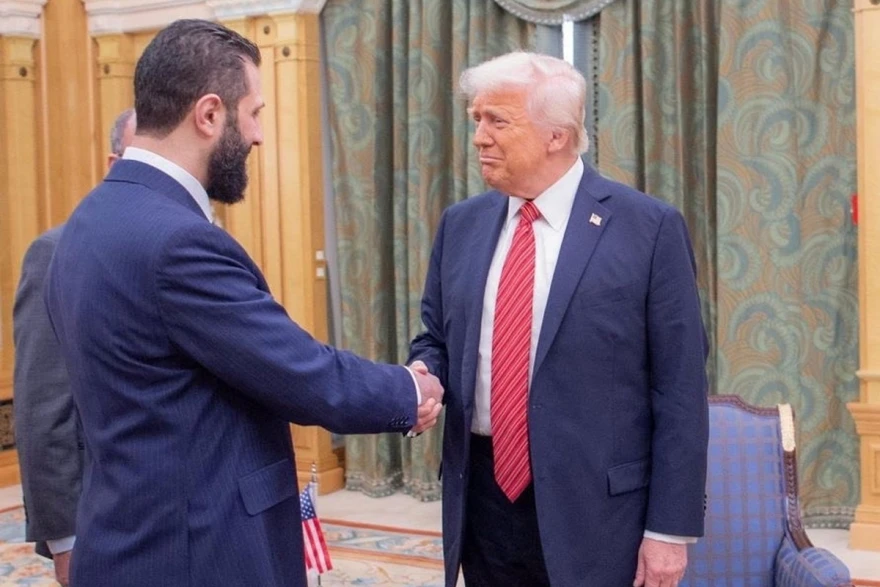
Ultimately, Trump’s unpredictable diplomacy, driven more by personalities and deals than by international law or alliances, leaves Greece in a precarious spot. Erdoğan’s strategic patience and willingness to act as a power broker in multiple arenas could further challenge Greek interests if the U.S. continues down a path of realpolitik. Athens must now navigate a changing geopolitical landscape where values take a back seat to transactional diplomacy — and where the old certainties of Western alignment no longer hold the same weight.
Ask me anything
Explore related questions




