





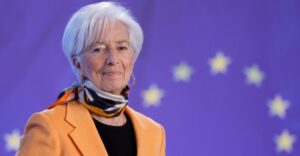
The European Central Bank is expected to cut interest rates again at its meeting today (Thursday), with officials keeping all options open for the next few meetings as the likelihood of a pause in expansionary policy in the summer increases.
If the forecasts are confirmed, it would be the eighth rate cut in 13 months as the ECB tries to shore up a Eurozone that remains sluggish despite a clear deceleration in inflation.
Inflation stabilization and signs of a pause
With inflation now at a safe distance from post-pandemic highs and within the 2% target, a further decline to 2.0% is taken for granted. The focus now shifts to future messages from ECB President Christine Lagarde on the direction of policy.
Markets are already discounting a pause in July, while several more conservative central bankers are openly advocating a “pause” to reassess the risks from uncertainty in trade relations and political developments inside and outside the eurozone.
Although Lagarde may avoid clear statements, sticking to the “flexibility per meeting” line, the trend for a temporary suspension of the cut is strengthening. The rationale rests on the fact that the eurozone’s short- and medium-term outlook may diverge significantly.
While in the first year inflation may fall back, even below the 2% target, it is expected to recover in the future due to increased public spending and trade disputes. At the same time, monetary measures take 12-18 months to take full effect, with the risk that current interventions will strengthen an economy that will no longer need support in the future.
Thursday’s cut will bring the deposit rate to 2.0%, which the ECB describes as “neutral” – meaning it neither constrains nor boosts economic activity.
Disruptive revisions and new external risks
The ECB is expected to revise down its 2025 growth and inflation forecasts, while US President Donald Trump’s trade war with China has already damaged European economic activity. Despite the possibility of a compromise, the damage to confidence and investment is seen as long-term.
Forecasts suggest that inflation will remain close to 2% in 2027. However, in the longer term the picture could change drastically. Possible EU retaliation to US trade policies will increase the cost of international trade, while shifts in production to avoid tariffs are expected to create inflationary pressures.
Rising European defence spending – with Germany at the forefront – and the cost of the green transition are likely to fuel prices, while an ageing population will add to wage pressures.
“We think the window for further rate cuts will close by the end of the summer,” UBS economist Reinhard Kluse tells Reuters. “The ECB will probably need to resume rate hikes in late 2026 to counter inflationary pressures in 2027, due to demographic pressure in the eurozone labour market, especially in Germany.”
Ask me anything
Explore related questions




