





On June 27, 2015, Greek PM Alexis Tsipras announced a surprise referendum on bailout terms, sparking panic, bank runs, and capital controls. Discover how a “No” turned into a “Yes” and reshaped Greece’s future.
A Historic Turn: Tsipras Referendum Announcement Shocks Greece and Europe
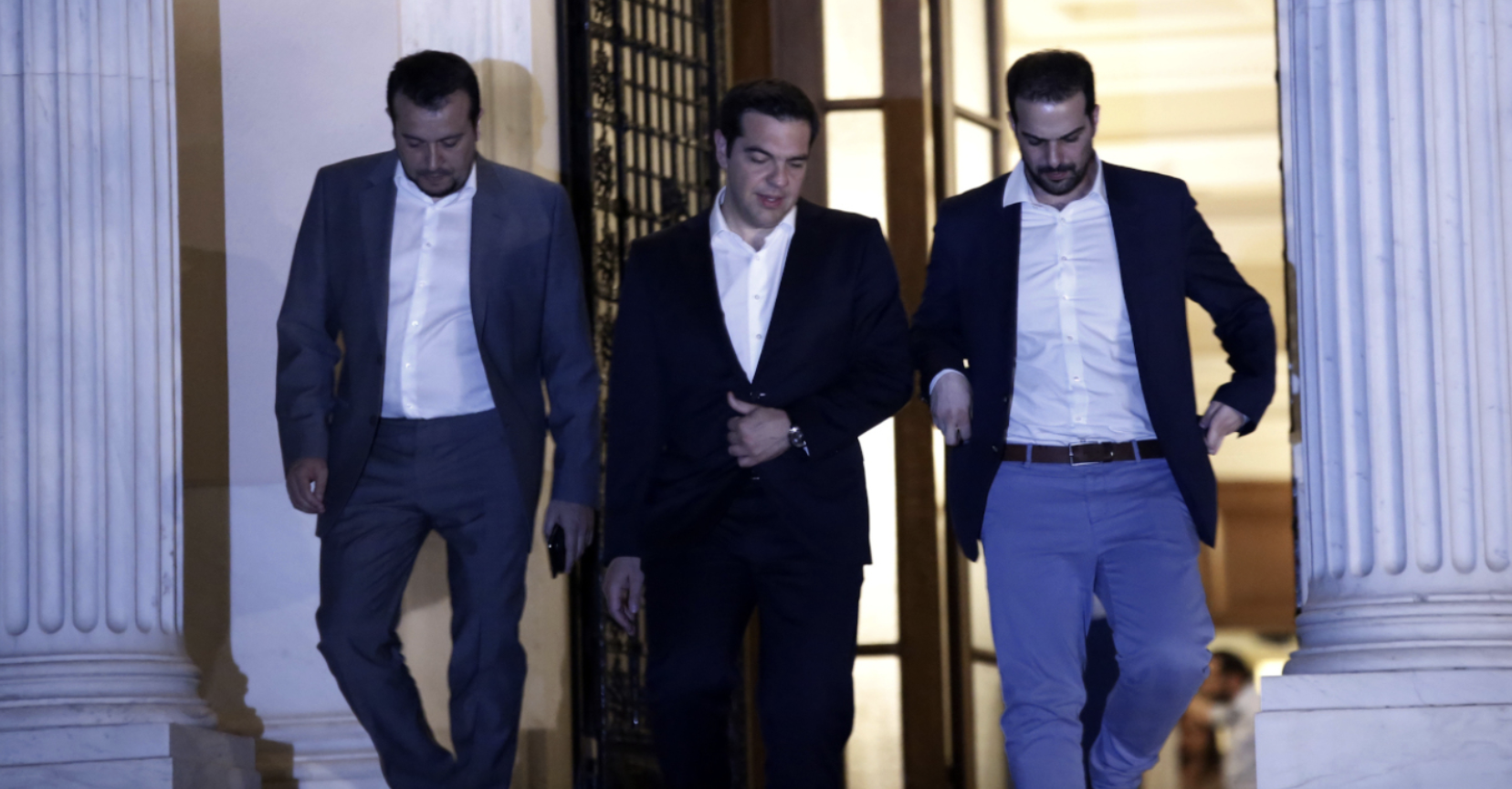
Exactly ten years ago today, on June 27, 2015, Prime Minister Alexis Tsipras made a surprise late-night announcement: a national referendum on whether Greece should accept the bailout terms proposed by its international creditors. It was a moment that shook Greece’s political landscape, sent shockwaves through Europe, and led to widespread economic anxiety and political division.
This Tsipras referendum announcement marked the first nationwide vote on a non-constitutional issue in modern Greek history. The decision followed months of deadlocked negotiations between the left-wing SYRIZA-ANEL government and the EU, ECB, and IMF (known collectively as “the institutions”).
Why the Tsipras Referendum Was Announced
The referendum was announced as a response to an ultimatum from Greece’s lenders during a tense Eurogroup meeting in Brussels. With Greece’s bailout program set to expire on June 30, and a failure to reach an agreement raising the risk of default, Tsipras called on the Greek people to make the final decision.
“The responsibility compels us to respond to the ultimatum through democracy,” said Tsipras in his televised address.
The referendum date was set for July 5, 2015, and the ballot question was whether to accept the creditors’ proposal, a technical yet politically charged issue.
Immediate Fallout: Panic, ATMs, and Capital Controls
Following the Tsipras referendum announcement, panic spread rapidly. Citizens lined up at ATMs overnight fearing the collapse of the banking system. On June 28, the Greek government imposed capital controls, shutting banks and limiting daily cash withdrawals to €60. This was a dramatic move not seen before in a eurozone country.
Parliamentary Vote and Controversy Over Far-Right Support
Later that day, the Greek Parliament voted in favor of holding the referendum, with 178 votes in favor. Controversially, far-right party Golden Dawn supported the move, sparking fierce criticism. Opposition parties, including New Democracy, PASOK, and Potami, condemned the referendum as unconstitutional and dangerous.
Europe Reacts: Varoufakis Excluded, Eurogroup Proceeds Without Greece
The announcement stunned Greece’s European partners. The Eurogroup denied Athens a bailout extension, and for the first time, Greece was excluded from a session of the Eurogroup – a move signaling diplomatic breakdown.
EU leaders like Jean-Claude Juncker and Wolfgang Schäuble expressed deep disappointment and warned that the real referendum question was about remaining in the eurozone. Global markets tumbled amid fears of a Grexit.
Divided Nation: “Yes” vs. “No” Camps and a Week of Tension
The announcement deepened political and social divisions. The “No” campaign, backed by Tsipras and SYRIZA, framed the vote as a stand against austerity. Meanwhile, the “Yes” side, supported by the opposition, argued that a “No” vote risked isolating Greece from Europe.
The Aftermath: “No” Wins, But Becomes a “Yes”
On July 5, Greeks voted 61.3% “No” – rejecting the bailout terms. However, in a stunning reversal, Tsipras soon accepted an even tougher agreement to keep Greece in the eurozone. This led to the third bailout and widespread criticism that the referendum had been rendered meaningless.
10 Years Later: The Legacy of the Tsipras Referendum Announcement
The Tsipras referendum announcement remains one of the most consequential moments in modern Greek history. It exposed the limits of democratic defiance in a globalized economy, led to political realignment, and contributed to Greece’s eventual slow return to financial stability.
Ask me anything
Explore related questions




