





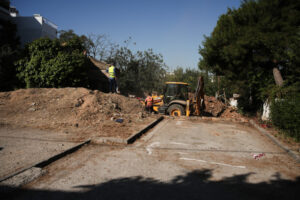
The City of Athens has officially launched a major urban safety and renewal project with the demolition of 70 dangerously dilapidated buildings in 21 neighborhoods. The goal is to eliminate structural hazards and redevelop the sites into green areas and parks, improving both public safety and the quality of life for residents.
Targeted Areas for Demolition
The buildings slated for demolition are mostly structurally unsound and legally declared hazardous. The affected neighborhoods include:
Kolonos, Kerameikos, Plaka, Patissia, Votanikos, Gazi, Rizoupoli, Koukaki, Kypseli, Metaxourgeio, Neos Kosmos, Thiseio, Skouze Hill, Ampelokipoi, Sepolia, Rouf, Gyzi, Pangrati, Exarchia, Polygono, and Larissis Station.
Importantly, none of the buildings set for demolition are classified as protected heritage properties by the Ministry of Culture.
Continuous Assessment and Expansion
New buildings are being added to the demolition list following on-site inspections by city authorities. These actions are part of a broader initiative to reclaim unsafe urban space and reimagine it as community-friendly zones.
Project Budget and Scope
Funded entirely by the City of Athens, the demolition project has a budget of €4 million. It includes:
- Demolition of buildings officially designated as dangerously unstable, based on inspections by the relevant Urban Planning Authority (ΥΔΟΜ), and for which notices have been lawfully served to the property owners.
- Removal of buildings obstructing urban planning (rymotomia), where legal procedures have been finalized.
- Dismantling of dangerous elements—like loose plaster, tiles, cornices—from buildings with unknown or non-responsive owners, to prevent accidents.
- Installation of safety measures (e.g., scaffolding, bracing, nets) to protect passersby and neighboring structures from partial collapses.
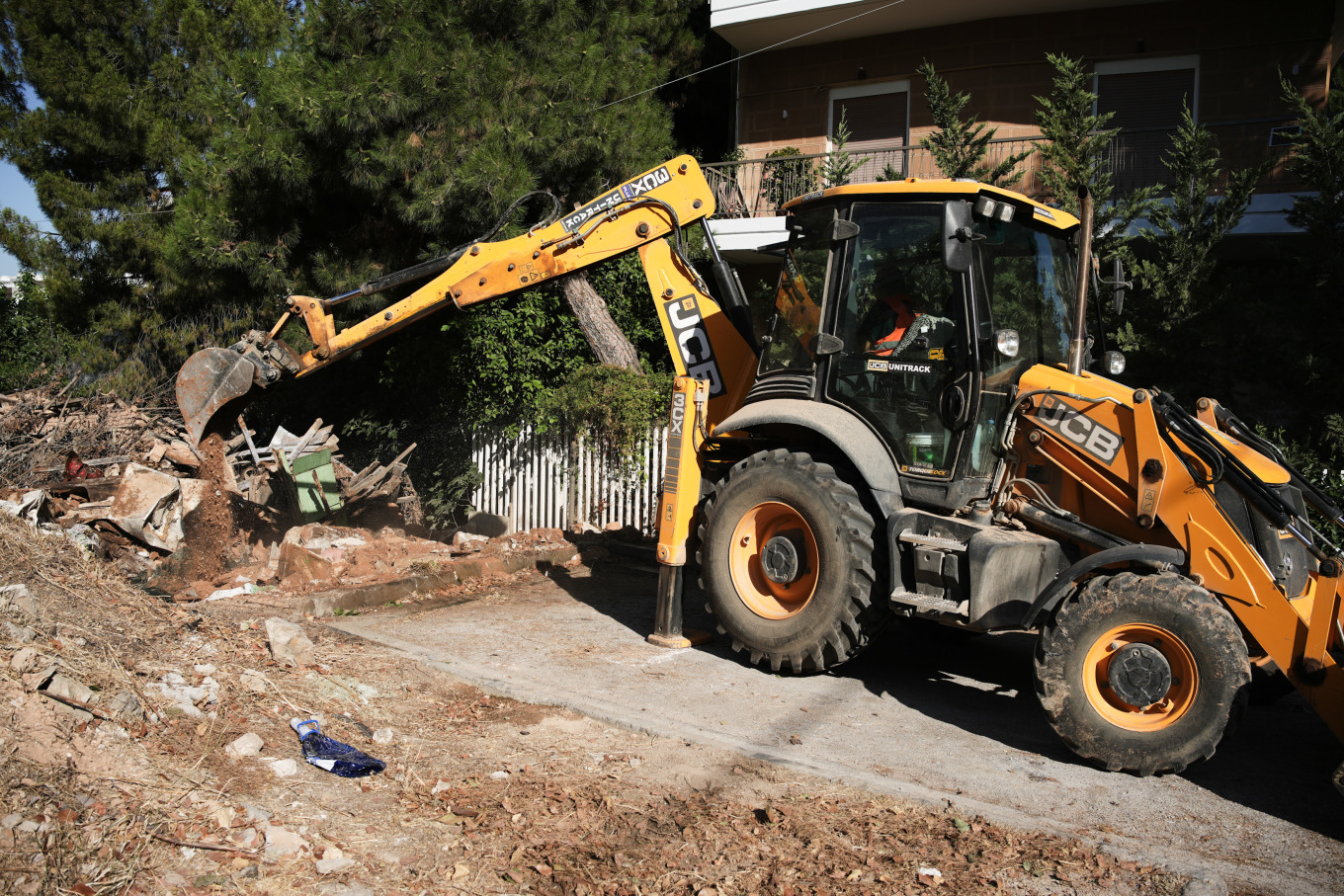
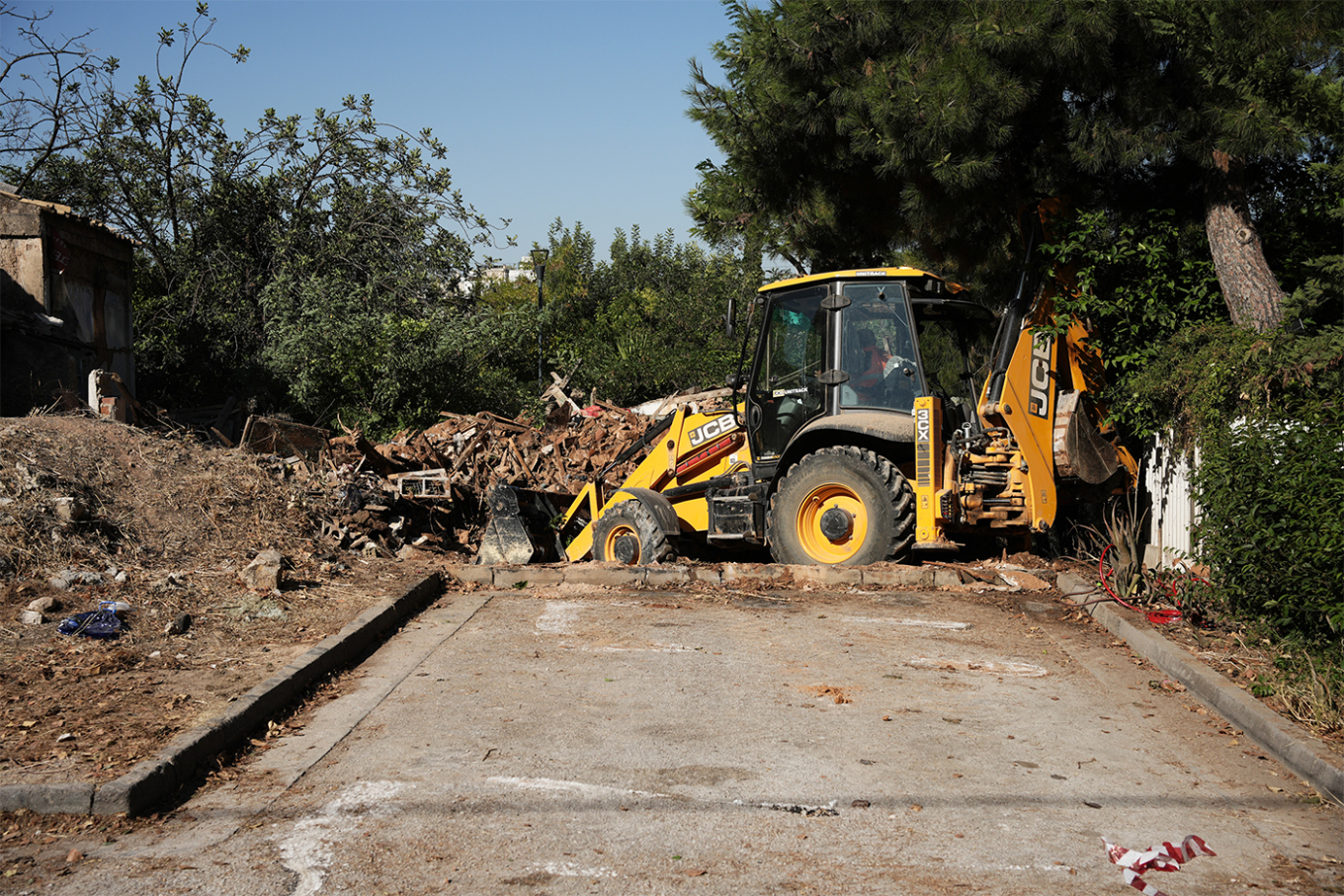
The demolitions are carried out manually or using mechanical equipment, depending on site-specific conditions. The process follows strict safety protocols to avoid causing vibrations or damage to adjacent buildings.
Property Owners’ Responsibility
According to the Ministry of Environment and Energy’s circular, property owners are responsible for maintaining buildings in a condition that does not endanger the public, surrounding properties, or degrade the urban environment. They must also comply swiftly with any official instructions aimed at eliminating safety risks.
Evaluation and Approval Process
A special committee within the City of Athens assesses whether a building qualifies as dangerously unstable. Once confirmed, the municipality notifies the owners, who are expected to act. If they fail to respond, the city proceeds with the demolition.
Mayor Doukas: “We Are Breaking a Cycle of Neglect”
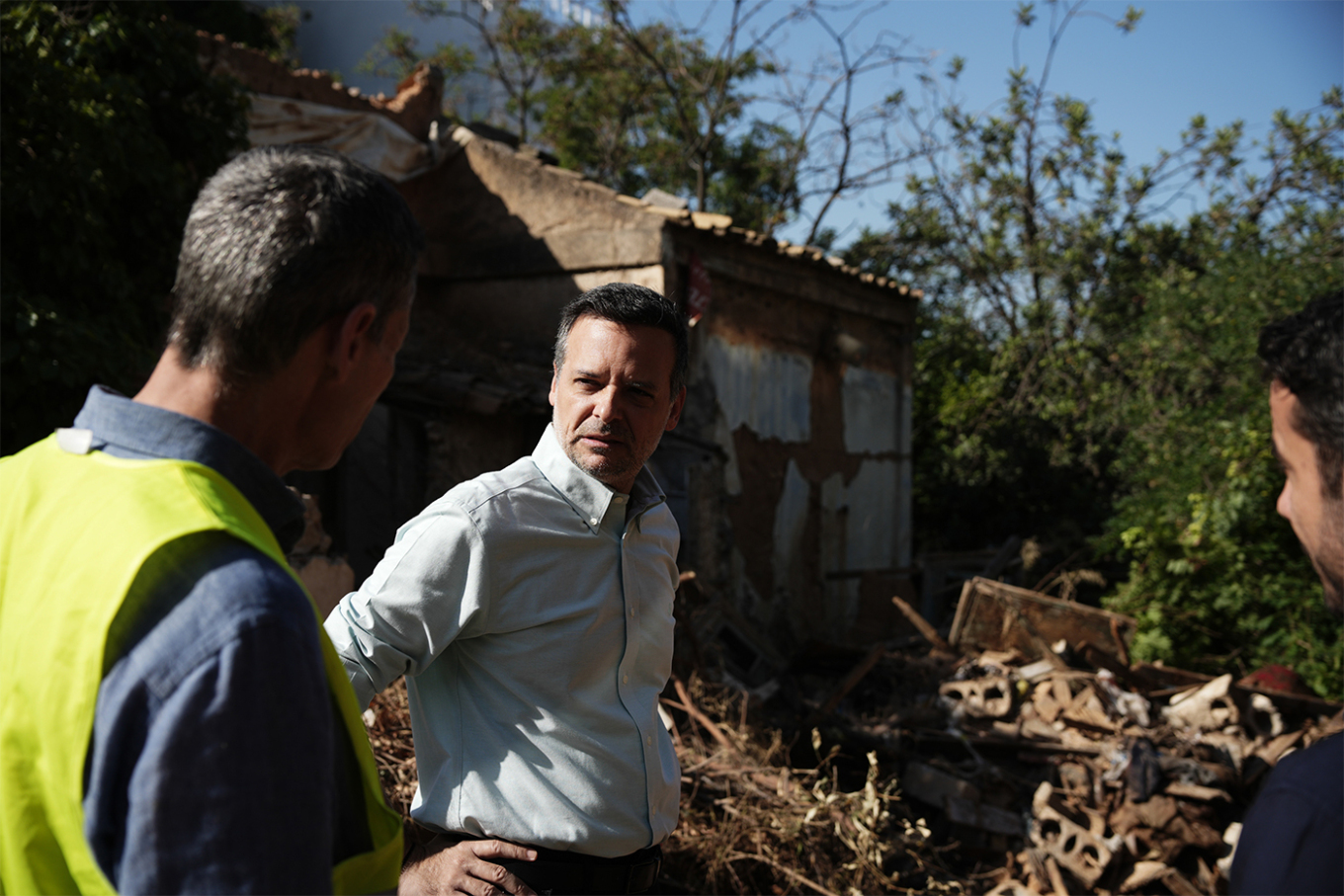
Athens Mayor Haris Doukas stated:
“We refuse to stand by in the face of danger. We’re tearing down hazardous buildings to build a safer daily life and a better future. We’re giving public space back to those it belongs to: the citizens. In the coming months, Athens will look very different in many areas.”
Deputy Mayor of Infrastructure Andreas Grammatikogiannis added:
“This issue has been pending for 45 years. Now it’s finally happening. The legal procedures were followed exactly. The city steps in when danger remains and property owners fail to act.”
Ask me anything
Explore related questions




