





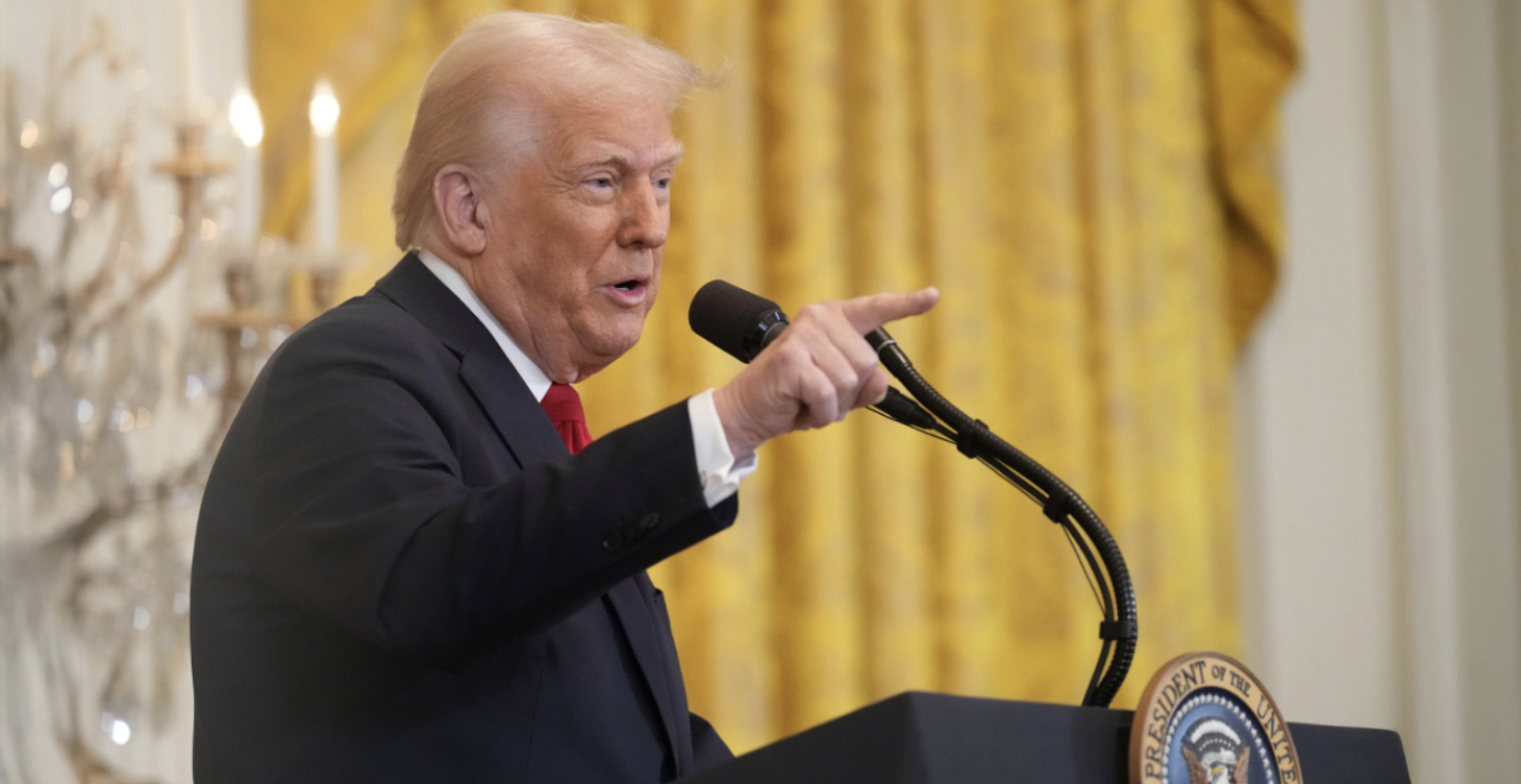
The White House has announced revised reciprocal tariff rates on imports from a range of U.S. trade partners, aiming to reduce trade deficits and increase national revenue.
Specifically, President Donald Trump signed an executive order on Thursday imposing higher import duties on goods from dozens of countries. The measure, according to the White House, aims to “reshape global trade in favor of American workers.”
The revised tariffs are set to take effect on August 7 at 12:01 AM Washington time, rather than August 1 as previously planned, according to a senior administration official.
A base tariff rate of 10% will apply to most countries not explicitly listed, while goods that are found to be re-routed to bypass higher rates will be subject to additional duties.
Countries that had reached trade agreements before the deadline will face tariffs as announced:
- European Union, Japan, and South Korea: 15%
- United Kingdom: 10%
Some countries, such as China, Canada, and Mexico, are covered under different provisions due to separate trade paths.
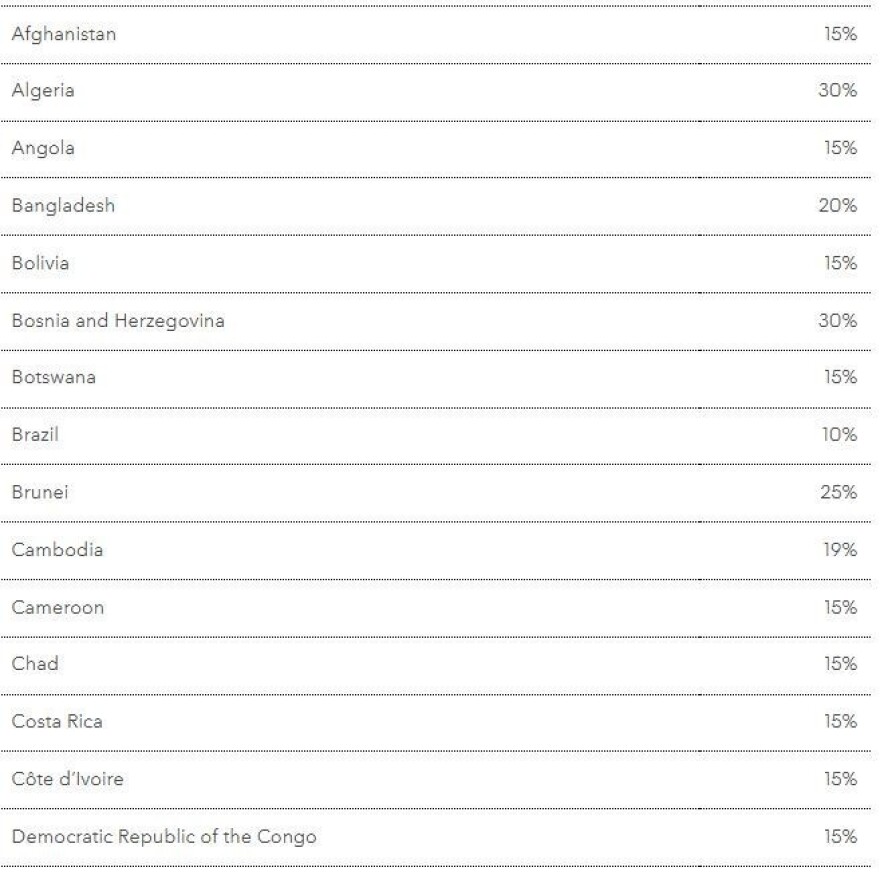
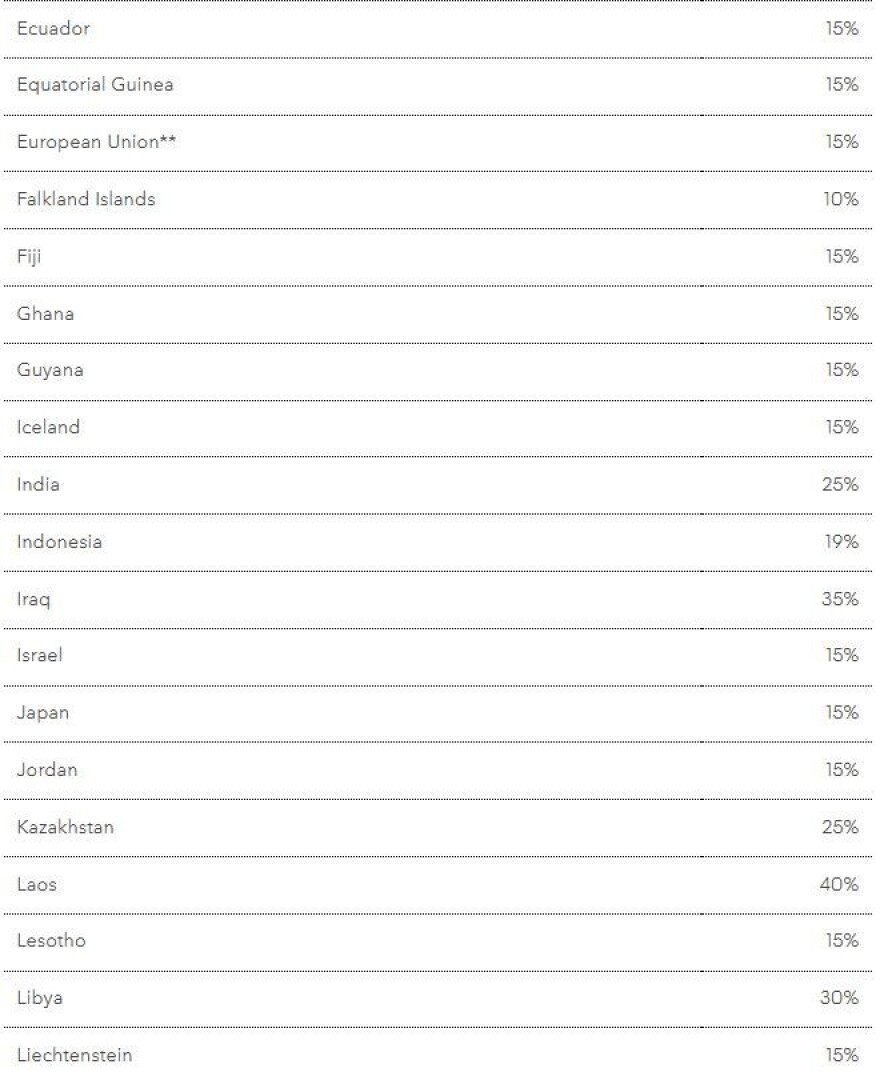
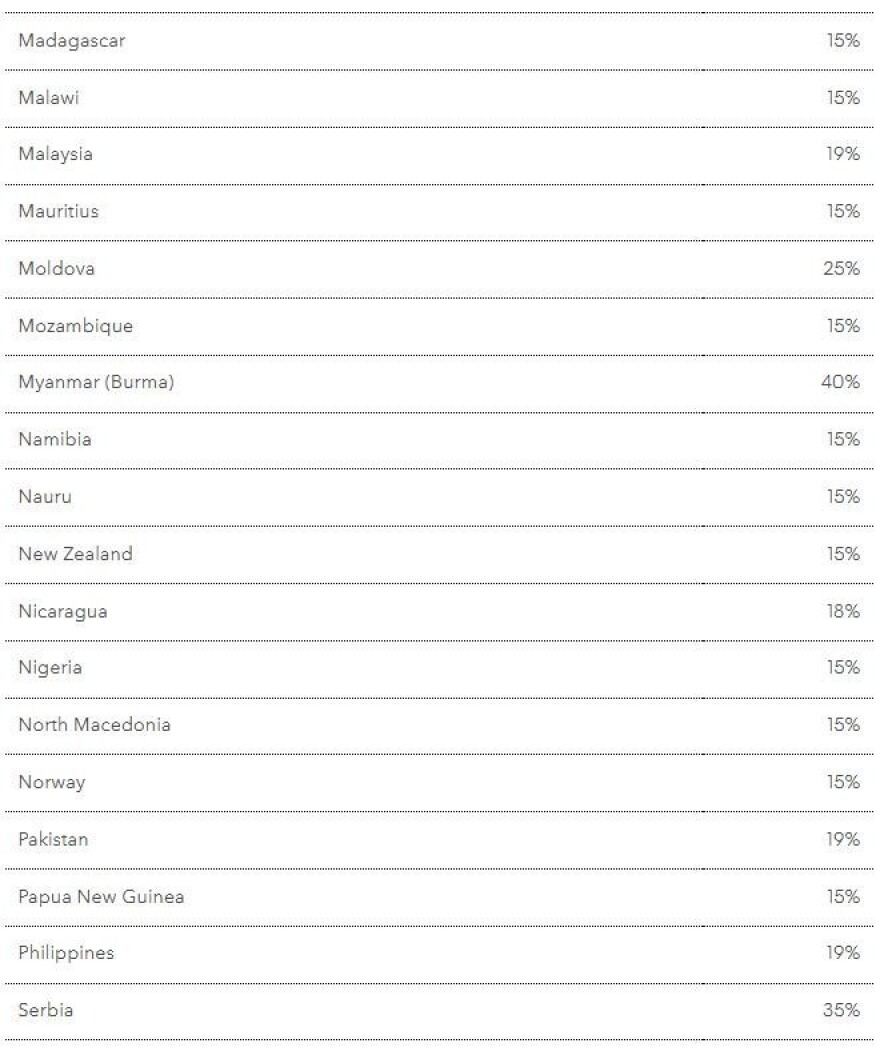
According to Bloomberg, the full list of revised tariffs includes:
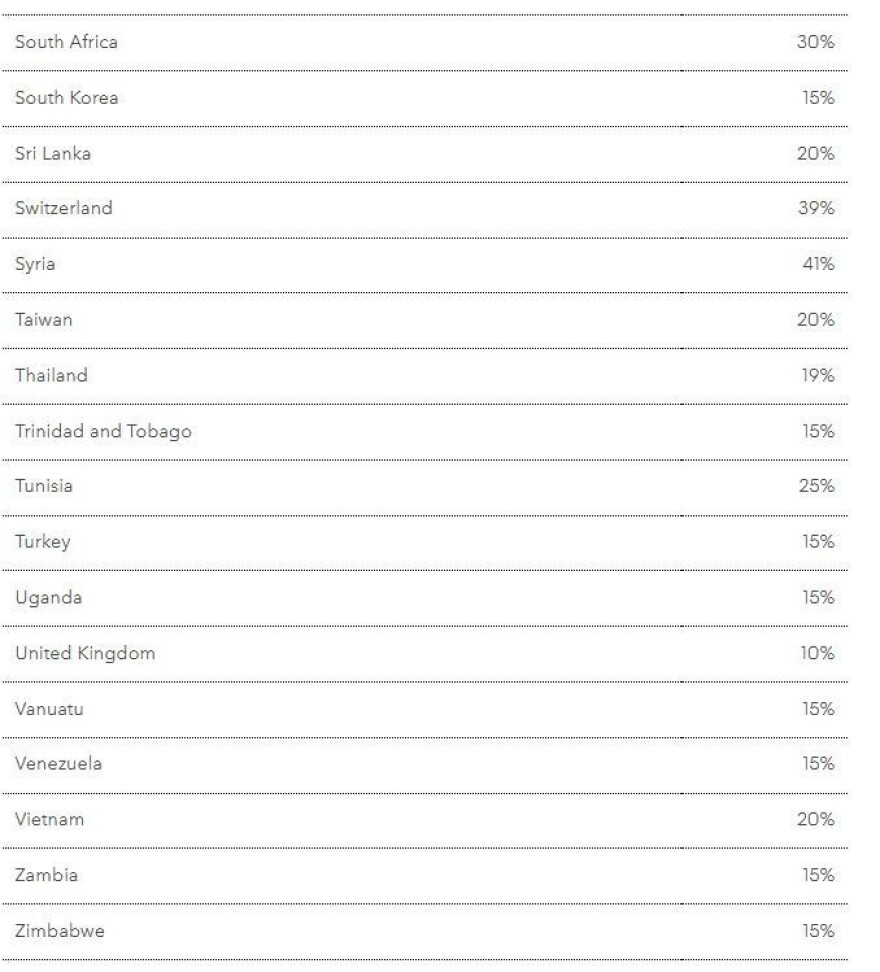
Special Cases:
- Mexico has been granted a 90-day extension, keeping tariffs at 25% for goods not covered by the USMCA (formerly NAFTA).
- Canada, by contrast, will see tariffs on its non-USMCA exports rise from 25% to 35%, due to its alleged failure to stem the flow of fentanyl and other illegal drugs into the U.S., and for retaliatory actions against U.S. goods.
- Brazil faces steep tariffs (50%) on most of its exports, a move seen as retaliation tied to the trial of former president Jair Bolsonaro, an ally and admirer of Trump, for allegedly attempting a coup following his 2022 election loss.
- India‘s 25% tariffs are expected to increase with further penalties due to its ongoing purchases of Russian oil.
Broader Concerns:
Trump argues that the tariffs and agreements will significantly boost U.S. revenues, helping offset the national debt, which has reached historic highs. However, economists warn that the aggressive tariff policy will likely raise inflation (which reached 2.6% in June) and slow economic growth in the world’s largest economy.
Apple, for instance, estimates that these new tariffs will raise its costs by €1.1 billion this quarter alone.
Coincidentally, a federal appeals court in Washington began hearing a lawsuit yesterday challenging whether President Trump overstepped his constitutional authority by imposing such sweeping tariffs without congressional approval. The lawsuit, brought by a coalition of small businesses and 12 U.S. states, argues that the president usurped Congressional powers—a move described as “unprecedented in the last 200 years.” Most judges appeared skeptical of the government’s arguments.
The White House has indicated that if it loses the case, it will appeal to the Supreme Court.
Ask me anything
Explore related questions




