






The 1990s, as well as the early years of the new century, were the era of artificial abundance, the years when alcohol and its consumption were symbols of power and social status. Representatives of a flashy lifestyle that collapsed under the cold touch of the decade-long financial crisis.
Today, we are experiencing the minimal luxury of wellness, introspection, personal empowerment, and self-improvement. Here, alcohol consumption no longer finds fertile ground to shine, to dominate, to destroy. Sobriety in our time is a personal goal and a target for millions of young people across the planet.
People in their 20s drink less
The reasons are many, explains Giannis Vavadakis, Head of Beverage Research & Development at the bars “Line Athens” and “Walk in Athens”:
“First of all, there’s a focus on entertainment that is definitely linked to today’s financial conditions. Young people now start their night out earlier and already know where they’re going and what they’ll consume. The days of hopping through a dozen bars before heading home are gone for good. Work-life balance is a key factor that people nearing their 30s today take very seriously. Younger generations also care more about their health, they go to bed early, wake up early, and exercise – perhaps influenced by an attractive imported fitness model, but this is now a reality.
The aperitivo trend and the after-work drink, which came to our country from Italy and Central and Northern Europe, brought to Athens the habit of ‘going for a drink at 6 or 7 right after work and returning home early.’ There’s also a growing trend in many bars and restaurants to create an atmosphere of fun earlier in the evening with loud music, happy hours, special menus, and events – but without going until dawn, as was common in past decades.”

Then came… sober curiosity
The term “sober curiosity” means openly questioning your relationship with alcohol. The sober curiosity movement is a growing group of people who choose to drink less or not at all as a lifestyle choice. It challenges the stereotypes that those who don’t drink are less social or have less fun. Instead, it supports the idea of questioning or feeling curious about every impulse, invitation, and expectation to drink – rather than blindly following mainstream drinking culture.
“At Walk In,” says Vavadakis, “we see the impact of this movement in a striking way. With sobriety as the guiding principle, a major preference among visitors is Kombucha IPA – a bridge drink between alcohol and non-alcohol, between wellness and night out.”
“Kombucha IPA is a hybrid beverage that combines kombucha – a slightly acidic drink made by fermenting tea, sugar, and a culture of symbiotic bacteria and yeast – with India Pale Ale, a popular beer style with intense hop and tropical fruit aromas. The result is a non-alcoholic or low-alcohol beverage (0.0%–0.5%) with the aromatic intensity of hops and the refreshing, dry, slightly sour feel of kombucha. Young people like it because it has less sugar than soft drinks, is associated with health and wellness (probiotics, low alcohol), and has the flavor complexity of craft beer but is more refreshing and approachable. Plus, it’s Instagrammable and fits perfectly with the new culture we’re discussing.”
Young people go out early, sleep early, and drink little to no alcohol
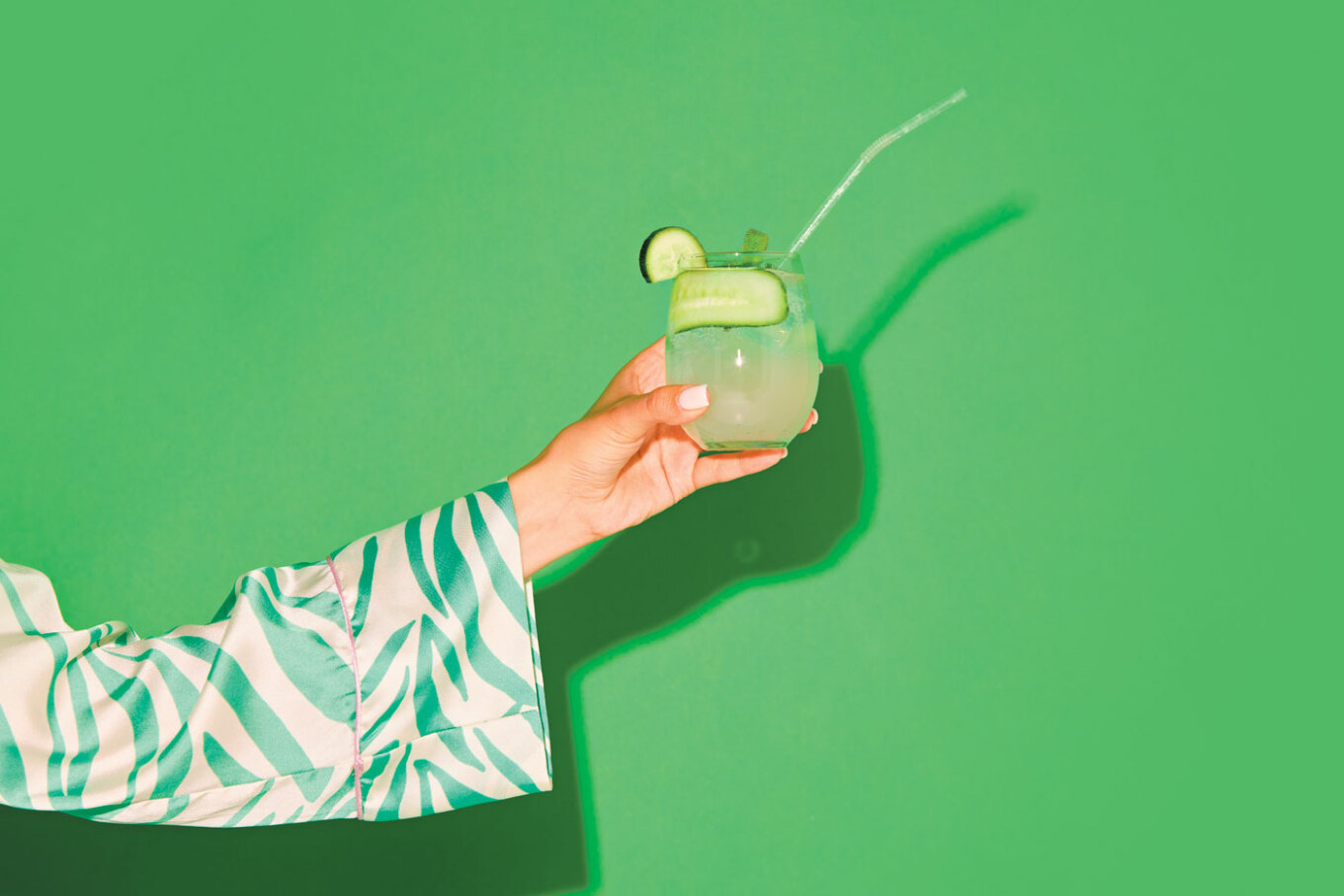
Young people now also choose alcohol-free cocktails, commonly listed as “mocktails.” The alcohol industry is full of innovation, so mocktails are no longer just juices, sodas, fruits, and garnishes. A wide variety of 0% alcohol bases now exist – gin, vodka, tequila, vermouth, rum – that make your favorite cocktails just as enjoyable, with the same familiar taste, but without alcohol. Even a Single Malt Highland Whisky can come with 0.2% ABV.
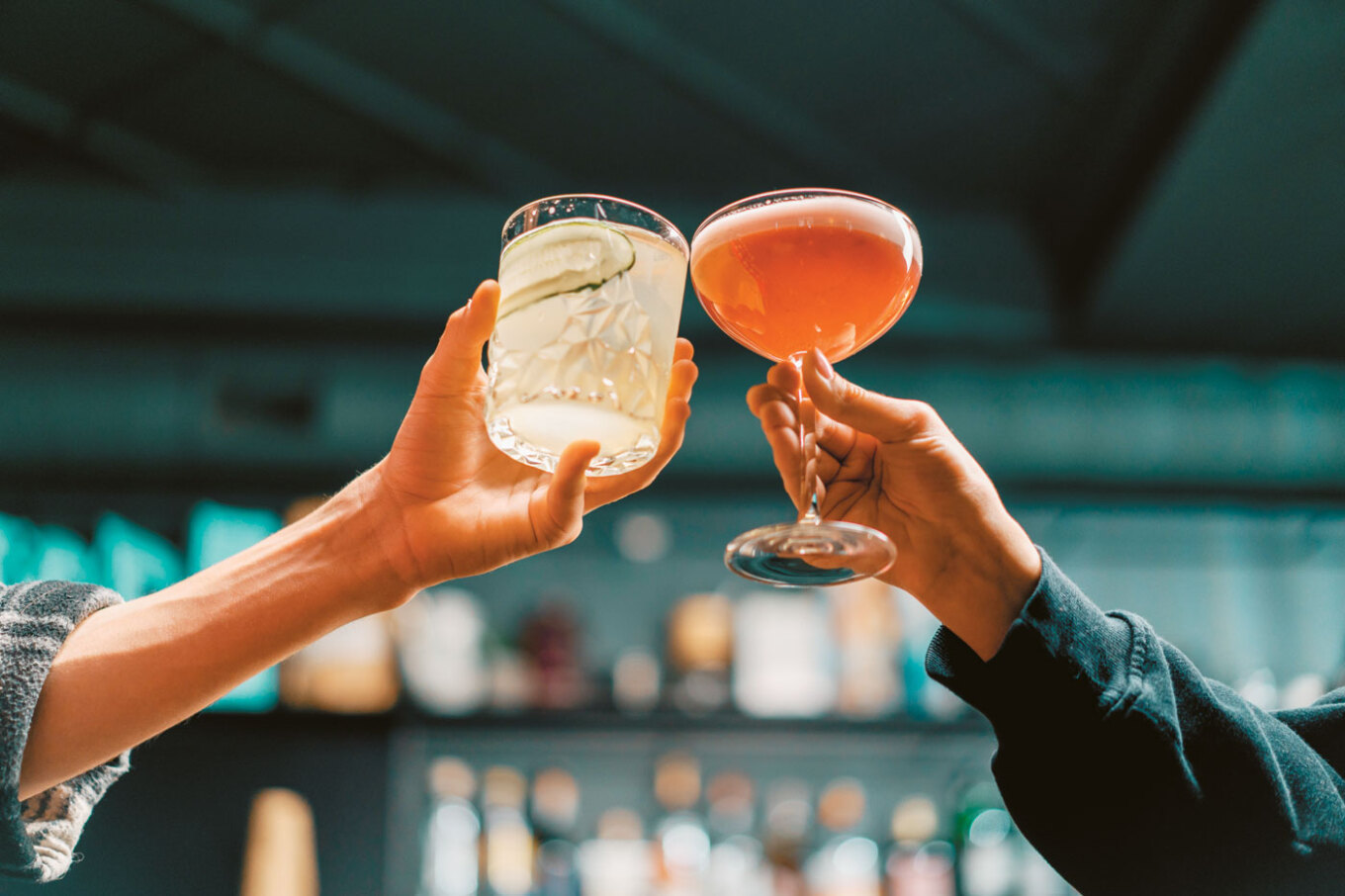
Closing – Three bar professionals speak about today
“Young people today drink more purposefully, more consciously. Their entire way of going out is more targeted in terms of quality,” says Xavier Michaelides, one of Athens’ pioneering bartenders whose bar counters have seen generations of patrons.
“Young people are more awake not only regarding their drinking habits,” he continues, “but also in the way they have fun. They’re more social, and entertainment is more about togetherness. They now gather at homes, in squares, cafés, and by the beach. They drink more wine, beer, and tsipouro, and avoid hard liquor, even something like gin and tonic. They don’t get drunk like in the past. They dance and flirt without needing alcohol as the primary tool for fun.”
Babis Kaidalidis, co-founder of the Athens Bar Show and longtime bartender, sums up the key changes in young people’s nightlife in three points:
- cocktails with 0% alcohol (a Negroni with 0% gin is increasingly popular at bars across Greece),
- aperitivo culture (spritz-style drinks are sweeping, especially in Athens, because they combine looks, aroma, duration, and price while being low in alcohol), and
- responsible drinking.
“Young people still drink, but they drink more responsibly. They set consumption limits, and their night out clearly starts and ends earlier. I also see an increase in tsipouro and wine consumption, partly for financial reasons – but not only. Young people have developed a real love for tsipouro in recent years.”
He also believes the aperitivo and after-work drinking culture reflects a worldview, a lifestyle that has come to Greece to stay. “It’s not just a trend,” he says. “It reflects the rhythms of our time. Young people today don’t get drunk. They’re not attracted to their drunken image – especially when their social profile is so important to them.”
Nikos Tachmazis, Bar Manager at “Avra Bar” in the Four Seasons Astir Palace Athens, with long experience in London and Milan, identifies a clear shift toward non-alcoholic beverages, the so-called mocktails, which align with a healthy lifestyle across Europe and are expected to dominate in the coming years. “Distillation techniques remain the same, but we now experiment with non-alcoholic bases like 0% alcohol gin infused with herbs and spices, or even non-alcoholic bitters and aperitifs, like Crodino, which can create very tasty cocktails.”
Young people go out early, sleep early, and drink little to no alcohol
1 in 4 young people has never drunk
The ELSTAT numbers behind the new trend
For years, alcohol was almost always synonymous with a night out – from a beer in the square to a glass of wine and shots at a bar. Young people back then drank often. The new generation seems to be rewriting the rules of consumption.
According to a 2019 ELSTAT survey, young people up to 24 years old were more likely to abstain from alcohol. In fact, 22.4% of 15–24-year-olds said they consumed alcohol once or twice a week, while only 1% drank daily.
Among 25–34-year-olds, 25.4% drank once or twice a week, and only 2.6% daily. In contrast, 6.7% of 45–54-year-olds consumed alcohol daily.
Even more striking, 24% of 18–24-year-olds had never tried alcohol or had only taken a few sips. At the same time, only 21.5% of those who drank in the past 12 months reported having six or more drinks in a single occasion. Consumption is still strongly linked to social spaces, like cafés and bars.
The phenomenon isn’t limited to Greece. A recent Gallup survey shows that only 54% of U.S. adults say they drink alcohol – a historic low in the past 90 years.
Among 18–34-year-olds, the percentage drops to 50%, compared to 59% in 2023. Gallup’s annual survey records a steady decline in alcohol consumption since 1997, with today’s youth drinking less than previous generations.
Young people go out early, sleep early, and drink little to no alcohol
“I never felt the need to drink to have fun”
“Nobody wants to see you drunk on the street in 2025”
Alcohol has been linked to serious diseases such as cardiovascular conditions, liver disease, cancer, and mental disorders. Avoiding excessive consumption can help improve health and clarity in young people’s daily lives.
“I never drank much. A few years ago I was an athlete, now I still work out and eat right, though not at the same level. In my everyday life, alcohol has no place. Once or twice a month I’ll have a beer or a tequila-based cocktail I like, but rarely do I go out drinking with friends,” says Giorgos, 22.
Abstaining from alcohol, however, also has a positive impact on young people’s personal and professional obligations. With the need for mental balance stronger than ever, many avoid drinking as a stress reliever and prefer to use their money differently. “My finances don’t allow me to go out drinking. We prefer to go eat instead, because it costs less and we have a better time,” says Manos, 19.
Ioanna, 32, also shared her relationship with alcohol: “I never felt the need to drink to have fun. Even today, I only drink with meals. I like, for example, a glass of wine with some meze. In the past, it was often difficult, because there weren’t many non-alcoholic options apart from juices. Now, though, you can find mocktails with many flavor profiles.”
From student years to sober living
Student years are often associated with daily alcohol consumption, where drinking becomes an almost inseparable part of social life. However, this habit seems to be changing, with more young people adopting a healthier and more conscious lifestyle.
Young people go out early, sleep early, and drink little to no alcohol
The rules have changed even for older youth. A.S., 27, studied in Ioannina, and, as she says, she used to go out every day to tsipouro bars. “In Athens, things are different. We’ve grown up, and now we understand that what matters is the company. We still go out, but we don’t need alcohol to have fun. My friends, for example, don’t drink at all,” she explains, adding that she herself drinks only once or twice every two weeks, and only if she’s sure she won’t get drunk. “Nobody wants to see you drunk on the street in 2025,” she concludes.
Ask me anything
Explore related questions




