





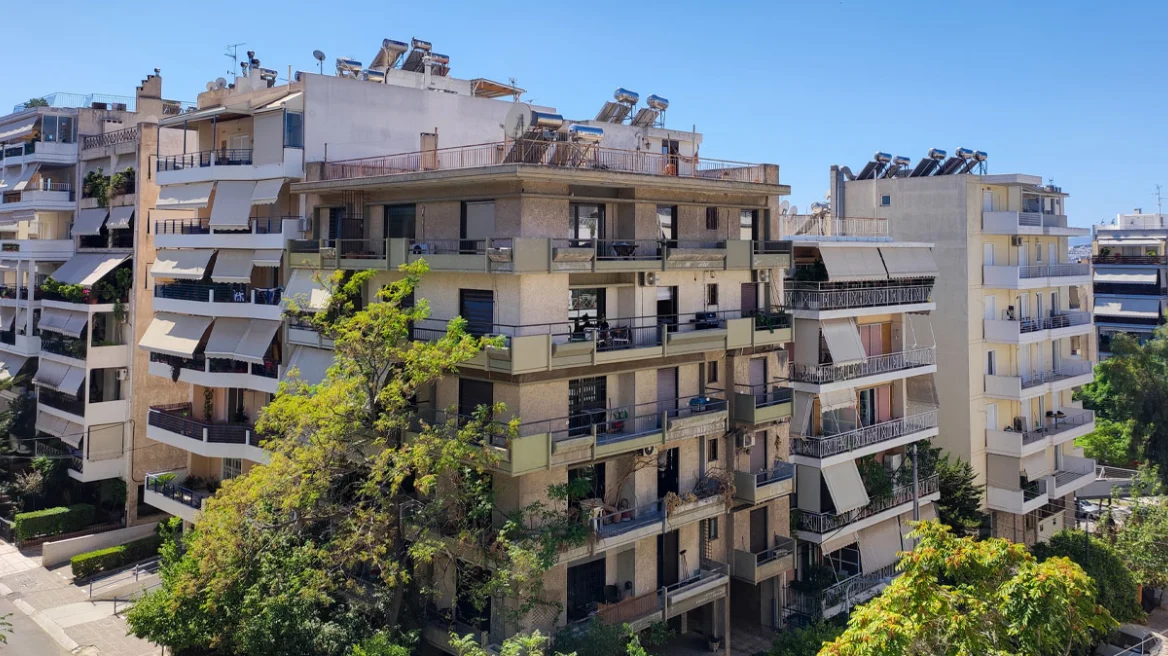
A sweeping crackdown on undeclared rents, “grey” properties, and long-standing inconsistencies in real estate records is being launched by the Independent Authority for Public Revenue (AADE), with the activation in early January of the new information system “MIDAS,” the digital file for every property.
This is a unified platform that, for the first time, brings together in one place all critical ownership and usage data, giving the state a complete picture of who owns what and how it is actually used.
Following the technical problems identified in the previous period—mainly involving inconsistencies between the Land Registry and AADE—the plan is now moving into the stage of disclosure and implementation. Databases have been synchronized, and today an in-depth presentation of the new Registry is taking place for relevant market and public administration bodies, after which its rollout will proceed.
The creation of “MIDAS” was legislated last summer, but its full activation was delayed precisely because of these technical discrepancies. Now the data “clicks into place,” and the system is going live, paving the way for extensive and automated cross-checks.
“MIDAS” creates a complete digital file for each property, whether it is a residence, holiday home, commercial space, plot of land, or agricultural parcel. This file records the property’s use, square meters, electricity and water connections, tenant details where a lease exists, as well as any judicial or planning-related pending issues. The data are drawn from E9, the Land Registry, HEDNO (DEDDIE), water utilities, myPROPERTY, land registries, and other public-sector databases.
A central role in the new system is played by the matching of two critical codes: the KAEK from the Land Registry and the ATAK from AADE. Through this matching, each property acquires a unique digital identity, allowing discrepancies in surface area and usage to be automatically identified. This reveals properties that appear as vacant but consume electricity, are declared as granted free of charge while generating income, or have different square footage recorded across different registries.
Special emphasis is placed on leases. The system will indicate whether a property is rented, vacant, or granted free of charge, while simultaneously cross-checking declared rents with consumption and banking data. Rental income will appear pre-filled in form E2 and will be automatically transferred to form E1, drastically reducing the scope for concealment or “forgotten” declarations.
For the first time, vacant residences will also be systematically recorded, enabling the state to know the real stock of properties that remain outside the market. At the same time, tenants will be able to check the data declared by their landlord and report discrepancies if the actual rent differs from the declared amount.
The major cleanup is not limited to rents and property transactions. From 2026, agricultural subsidies will pass through cross-checks between “MIDAS” and the National Land Registry, so that the ownership status of each parcel is verified with precision and subsidies are granted exclusively to the actual beneficiaries.
Ask me anything
Explore related questions




