





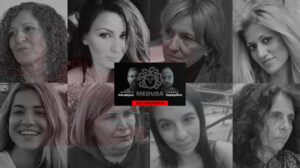
Dora. Garyfallia. Sofia. Erato. These are not just four names, but four lives tragically cut short, leaving behind families burdened with grief and an unfillable absence. Mothers who continue while feeling that nothing truly moves forward. Time passes, but healing does not.
These women were not killed by chance. They were not in the “wrong place at the wrong time,” nor was it a moment of misfortune. They were killed because some men believed they had the right to control their bodies, their lives, their decisions—to leave, to say no, to exist. When their lives were abruptly ended, the families left behind faced a pain without words, yet one that demands to be heard.
In the ninth episode of “Medusa,” the mothers of these victims speak—not to evoke sympathy, but because they can no longer remain silent. They describe daily life where objects—the watch, the perfume, the dress, the photograph—become voices of memory. They speak of children growing up with unanswered questions, grandchildren longing for their mothers, and homes that remain standing but feel empty.
Their testimonies also shed light on a darker reality: the absence of state support, tolerance, excuses, and the families of perpetrators who shift blame, remain silent, threaten, and appeal. This cycle of violence does not end with the murder but continues in the lives of those who survive.
The term “femicide” is not ideology; it is a description of motive. It describes violence inflicted on women because they are women. And while the term is challenged, the pain remains invisible. This episode does not recount crimes—it tells the difficult story of what comes after.
Dora. Garyfallia. Sofia. Erato. Victims whose shared pain inspires their loved ones to find a voice again, despite the half-life they have been forced to live.
Ask me anything
Explore related questions




