





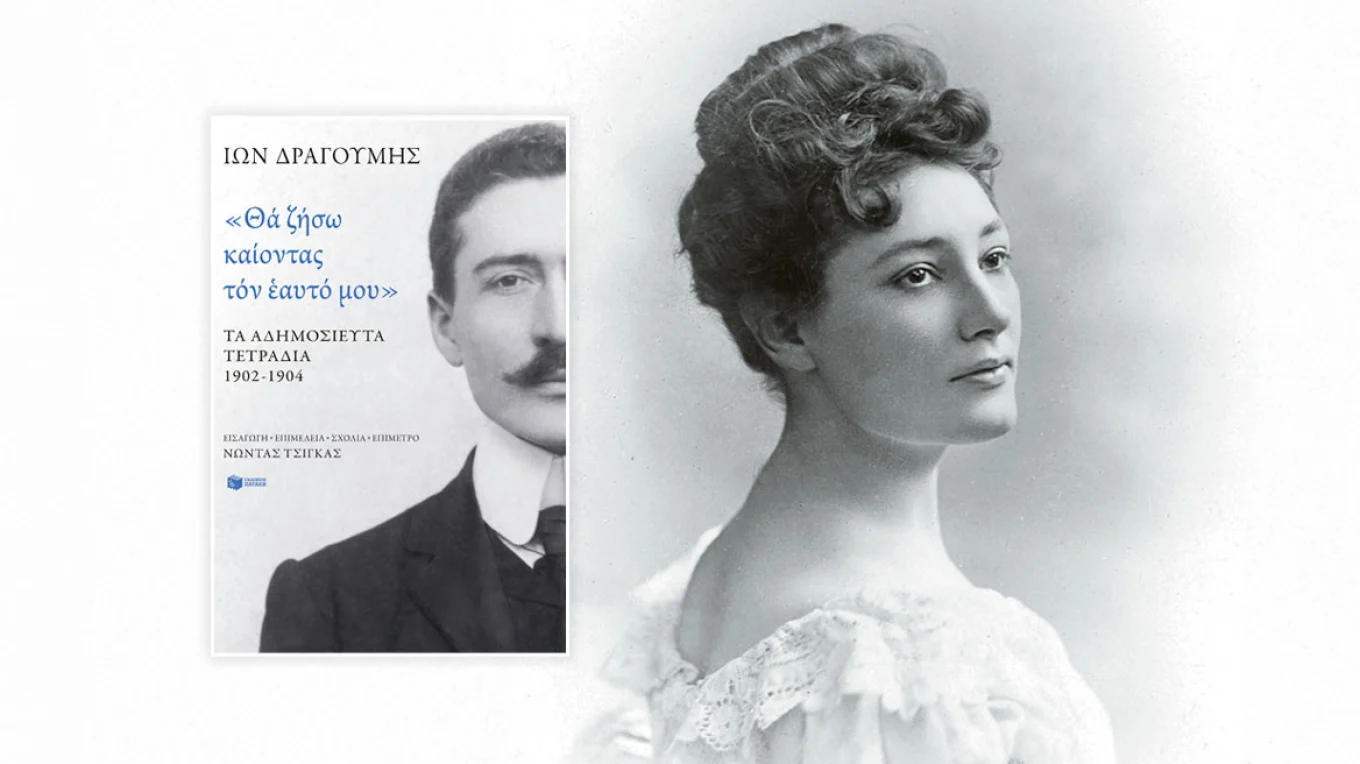
His early plans, the spy network defending Greece’s borders, and his assassination — plus his great loves before Penelope Delta and Marika Kotopouli. “I now abolish myself and dedicate myself to Greece,” wrote Ion Dragoumis on October 26, 1902, fully aware that from that moment, he was offering his life to his country. At the time, Greece was in a deeply difficult position—still reeling from the bankruptcy of 1893, the humiliating defeat in the 1897 war, and the shifting interests of the Great Powers that left the country isolated in pursuing its national ambitions.
Defying these harsh realities, Dragoumis traveled to Macedonia in the fall of 1902, applying for a diplomatic post in Monastir (Bitola) to engage more actively in the Macedonian Struggle.
Founding the “Amyna” Organization
During his extensive travels across the region, Dragoumis realized the vast infiltration of Bulgarian forces and the indifference of the official Greek governments and consulates. In response, he founded the secret organization “Amyna” (Defense) to protect Greek interests in Macedonia.
He established committees in what is today Western Macedonia and Korçë, educating local leaders on the urgent need to defend Greek communities—an almost radical notion at the time. Dragoumis expressed his commitment passionately:
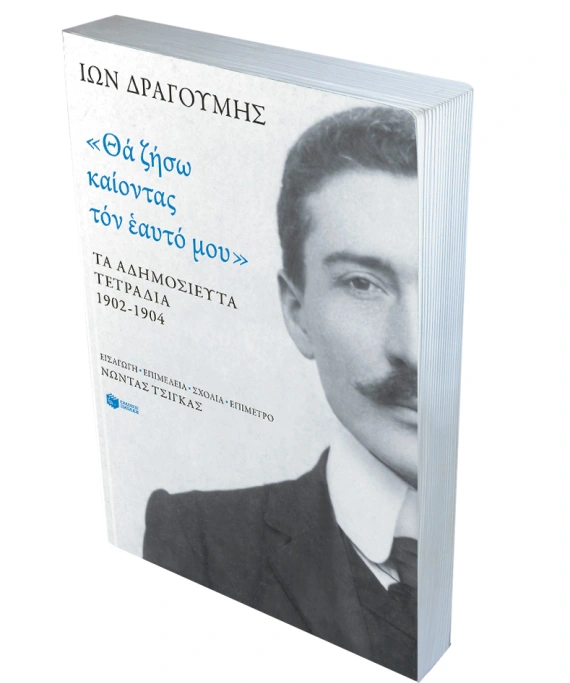
“I am involved in the Macedonian issue to my core, thinking anxiously yet calmly about the future of Hellenism,” he wrote in his unpublished notebooks from 1902 to 1904, recently published by Patakis Editions and edited by Nondas Tsigas, who has long studied Dragoumis’s work and life.

The Macedonian Struggle and a Relentless Fighter
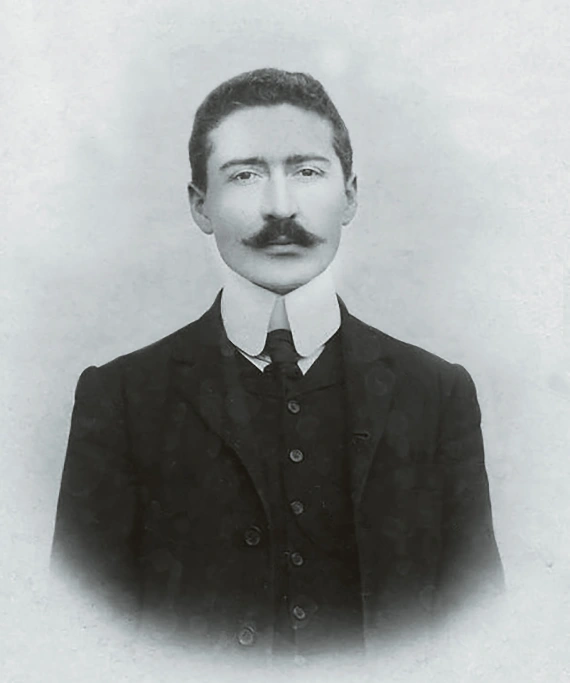
Tsigas notes that Dragoumis was a fully formed, complex individual even at a young age. He sought freedom beyond rigid groups and ideologies, living with an acute awareness of mortality and purpose:
“Making every act as a victory over the smallness of life, with the image of heroes painted on his soul,” Dragoumis wrote in 1906, underscoring his deep resolve.
His passion for reclaiming Macedonian lands intensified after the 1904 death of his brother-in-law, Pavlos Melas—a seminal moment that galvanized him to dedicate his life to the cause.
In a poignant journal entry while heading to Kastoria, he vowed:
“I go to Kastoria because I don’t want the Bulgarians to take it. If they dare touch it, I’ll be there with a rifle, rallying others to fight. It is a Greek city, and those scoundrels will not enter.”
This reveals the seriousness of his mission—his presence in the region was no mere diplomatic formality.
Cultural and National Awakening
Dragoumis understood that nation-building was not just about military action but also about culture. He noted how music and community institutions like the local café “Hope” played symbolic roles in nurturing Greek identity, especially along volatile borderlands.
He drew on deep historical knowledge of the region’s population and heritage, emphasizing the Greek Orthodox churches and local resistance to Ottoman and Albanian influences.
A Network of Spies and Secret Fighters
Dragoumis’s efforts included organizing “benevolent gangs” that fought for the recovery and expansion of Greek territories—effectively a sophisticated spy network, as revealed by his coded notes and recently declassified archives.
Tsigas’s introduction to the notebooks details the coded identities of these fighters and the initiation rituals that demonstrate Dragoumis as both a thinker and a strategist with a clear mission.
Opposition to the “Great Idea” and Political Stances
Contrary to Eleftherios Venizelos’s vision of annexing Ottoman lands inhabited by Greeks—a policy Dragoumis opposed—he believed these regions should be democratized through education rather than conquest.
He distrusted Western powers and gravitated toward Russia, reflecting his partly Russian heritage through his mother. Despite his opposition to official diplomacy and the Greek state, Dragoumis admired King Constantine, supporting the Balkan Wars from the outset.
He famously equated his identity with that of Hellenism itself:
“My Hellenism is myself; the consciousness of my Hellenism is a part of me, and so I write about it in a separate notebook because I want to study it.”
The Unknown Loves of Ion Dragoumis
Dragoumis’s passionate love life was well-known and often scandalous. Nicknamed “Hermes” for his many romances, he considered love a profound force shaping the human soul.
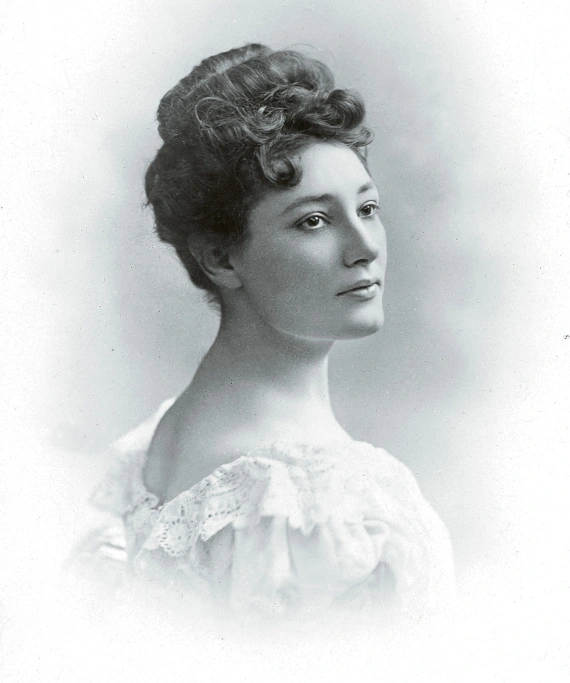
His notebooks reveal early romantic experiences, beginning with the American Mabel Dunlop, a cultured woman who introduced him to new intellectual and emotional worlds. Their relationship from 1900 to 1902 left a lasting mark, despite family disapproval and their eventual separation.
Another key figure was Sappho Theiou, a 19-year-old school principal at the Monastir girls’ school. Their love affair scandalized the local community and ended when she was transferred to Constantinople.
Perhaps most famously, Dragoumis lived with the celebrated actress Marika Kotopouli, defying family objections and social norms. Unlike with Penelope Delta, his relationship with Kotopouli was profound and enduring—she supported him until his assassination in 1920.
Legacy and Remembrance
Ion Dragoumis was assassinated by political rivals on July 31, 1920. Though his life was cut short, he left behind a significant body of work and a legacy that remains influential.
Few know that a memorial marble pillar stands at the site of his assassination near the Hilton Hotel in Athens—a place where devoted admirers still lay wreaths today.
Ask me anything
Explore related questions




