





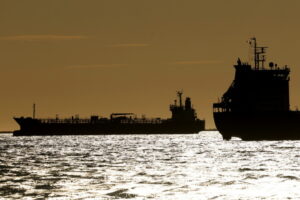
Asian countries appear to be the most affected by problems in the distribution of oil and natural gas, especially those that rely heavily on energy imports from the Middle East and have limited strategic reserves.
Miyu Su, senior crude oil analyst at the energy market data and analysis firm Kpler, told Al Jazeera that the biggest “losers” from the crisis are “all Asian countries, particularly those highly dependent on the Middle East but with relatively low reserves, such as Southeast Asian countries like Thailand and Vietnam.”
She explained that several countries are considering tapping into their strategic reserves to limit the consequences of the disruption on the energy market.
Not Enough If the War Lasts More Than a Month
She noted that South Korea and Japan plan to release some of their oil reserves, but warned that this measure would not be sufficient in the event of a prolonged conflict. “It won’t be enough if the war lasts more than a month,” she said.
The situation is similar for China, despite the country having substantial reserves. According to the analyst, Beijing maintains about 1.3 billion barrels of crude oil in onshore storage.
However, even with these reserves, China would still need alternative sources to immediately cover any potential supply gap.
“Even for China—which today has 1.3 billion barrels of crude oil in onshore reserves—there is a need for a solution to immediately cover the gap, and right now there really isn’t a candidate that can do that,” Su emphasized.
Ask me anything
Explore related questions




