





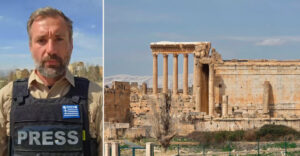
The city of Baalbek, located in the heart of the Bekaa Valley in eastern Lebanon, is being subjected to daily bombardments by Israel. Just yesterday, as reported by protothema.gr correspondent Marinos Aleiferis, three members of a family were killed, including a 3-year-old child. The death toll in the area since the outbreak of the war in the Middle East has exceeded 900.
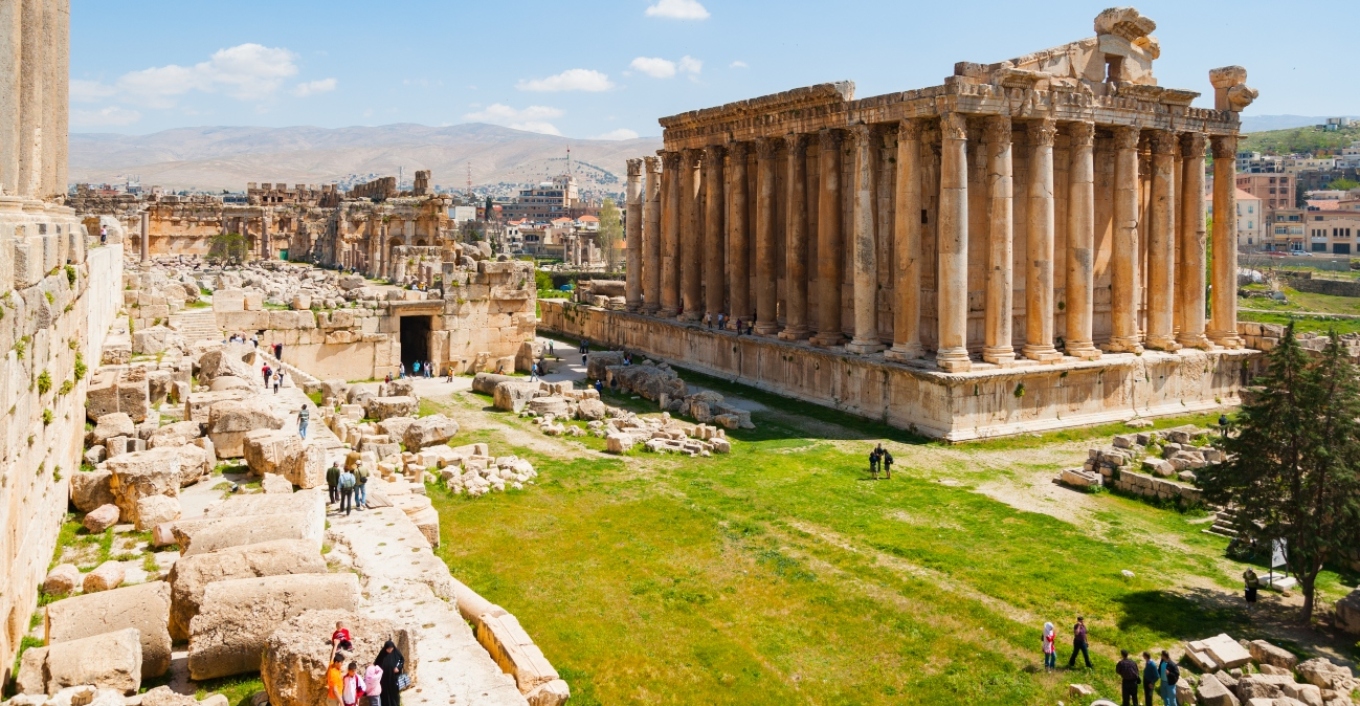
Baalbek is a city that has stood for thousands of years and is considered one of the most impressive archaeological landscapes in the world. In 1984, UNESCO declared it a World Heritage Site.
In the past, the area passed through the hands of the Phoenicians, Greeks, and Romans. It became part of the empire of Alexander the Great and, after his death in 323 BC, when it was annexed to the Ptolemaic kingdom, it began to flourish. It was also given the name “Heliopolis,” in honor of its patron god, Baal.
During the Roman period, Baalbek was transformed into one of the most important religious centers of the empire, with temples dedicated to Zeus, Bacchus, and Aphrodite, which are preserved to this day.
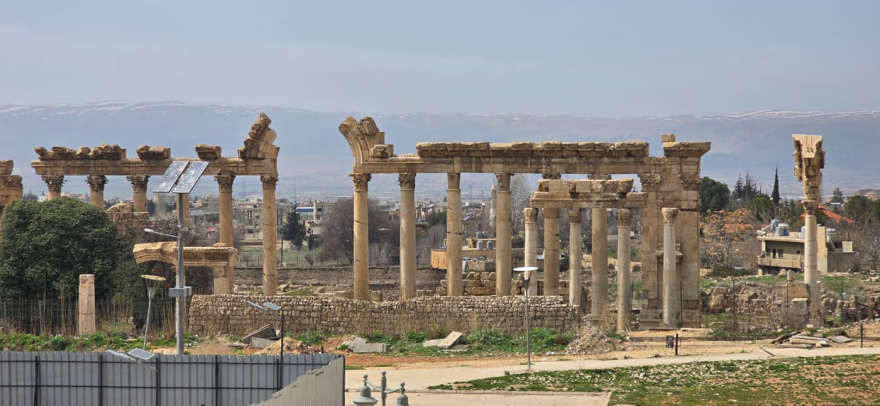
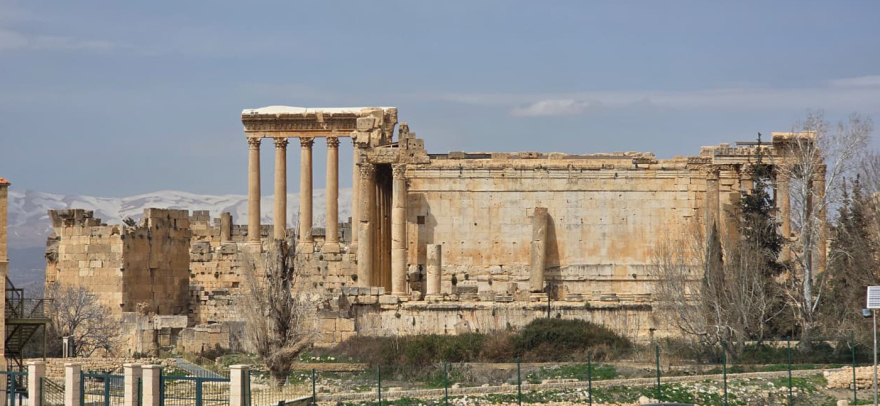
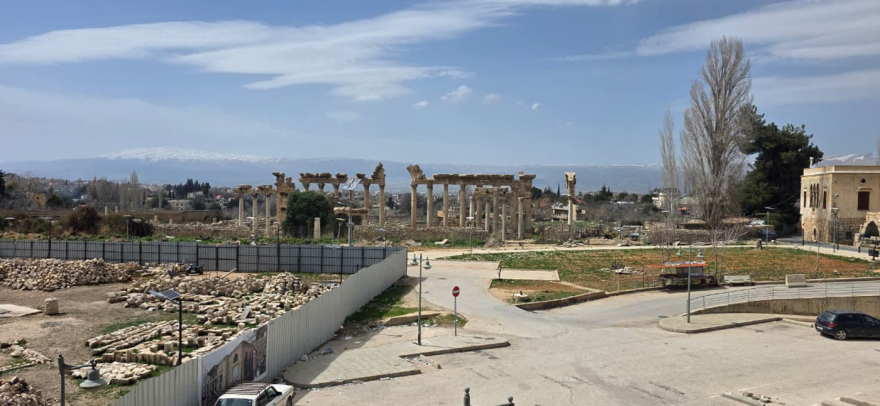
The Temple of Zeus, built on massive monoliths, is among the most impressive works of Roman architecture. Next to it stands the Temple of Bacchus (Dionysus) with rich decorative reliefs, while nearby is also the circular Temple of Aphrodite.
So far, there have been no reports of damage to the monuments. However, strikes on infrastructure in the valley where Hezbollah originated, near the Litani River, are heightening fears of the isolation of southern Lebanon.
See an image from the site before the war
Ask me anything
Explore related questions




