





In a major move towards sustainable shipping, the Suez Canal is introducing for the first time integrated hazardous waste management services for ships, in an attempt to reduce pollution in one of the world’s busiest shipping lanes.
The new system will be commissioned on April 15 by Antipollution Egypt, a subsidiary of Greek group V Group, and is part of a wider environmental upgrade project in Egypt. The project has already received the approval of President Abdel Fattah El-Sisi, which shows the importance attached to the initiative.
For years, the lack of organized hazardous waste reception infrastructure has been a weak point for the canal. Given that about 12% of the world’s trade passes through it, the need for strict control of pollution was imperative.
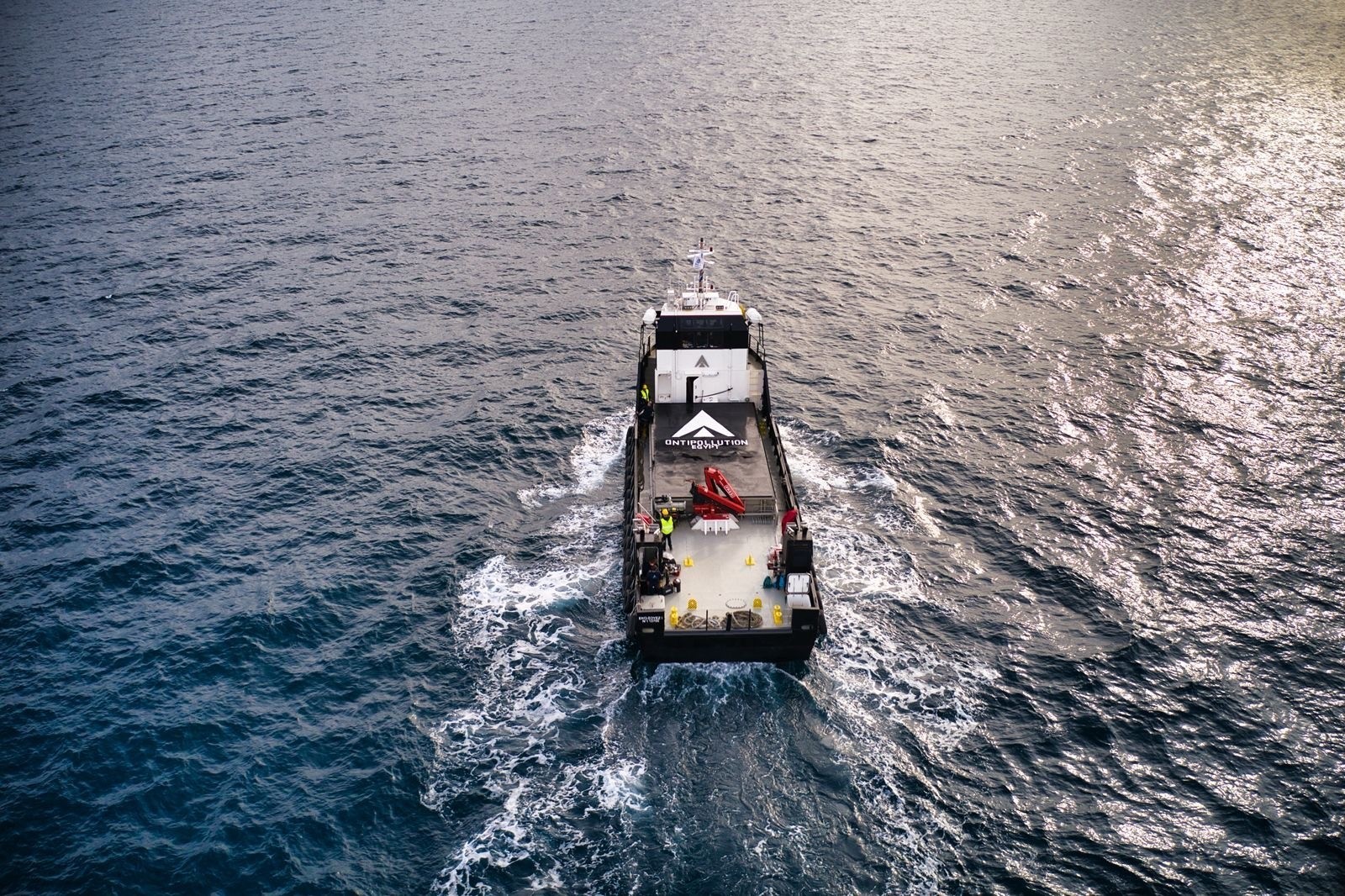
Ships will now be able to dispose of their waste legally and safely, reducing illegal practices that burden the marine environment.
The new services will operate in accordance with the standards of the International Maritime Organization and the MARPOL Convention, incorporating modern waste management technologies.
The goal is to implement “zero waste” practices and gradually achieve a carbon-neutral footprint, bringing the Canal closer to the vision of a “Green Canal.”
The project is being carried out under the supervision of the head of the Canal Authority, Osama Rabie, with the Minister Kamel Al Wazir also playing a key coordinating role.
Its implementation is based on cooperation between the public and private sectors, with Antipollution Egypt undertaking the full scope of operations—from collection and transport to processing and final disposal of waste.
As stated by the chairman of V Group, Byron Vassiliadis, the initiative aims to become a global benchmark for shipping:
“We are committed to making this project one of the most significant and historic environmental services in global shipping. It represents a global reference point for sustainable maritime activities along one of the world’s most critical trade routes.”
This move is not merely an environmental intervention, but a strategic investment expected to influence how ships operate and how routes are selected in the future.
As international pressure for sustainable practices intensifies, the Suez Canal is entering a new era. The introduction of organized waste management services marks a substantial step toward cleaner shipping at a hub that plays a decisive role in global trade.
Ask me anything
Explore related questions




