





Chaos, Confrontation, and Grief: The Tempi Trial Unravels in Larissa
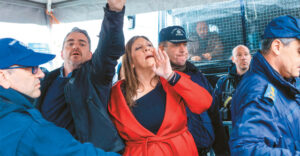
What was expected to be the long-awaited path toward justice for the victims of the Tempi railway disaster has instead begun under a cloud of tension, disruption, and deep emotional strain. Inside the courtroom in Larissa, proceedings over one of Greece’s deadliest rail tragedies have been marked not by solemn order, but by scenes of chaos—raised voices, repeated interruptions, and open confrontations between legal representatives, judges, and even victims’ families.
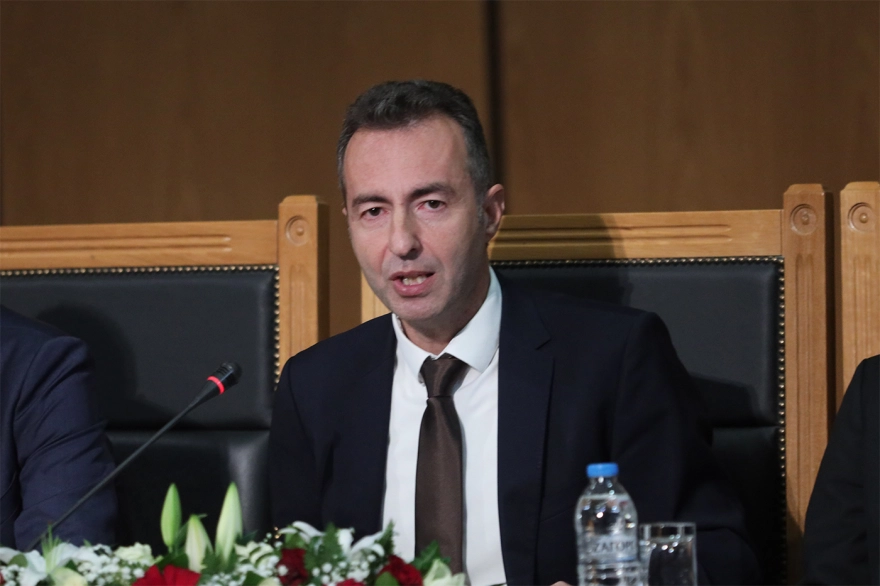
At the heart of this volatile atmosphere lies a collective sense of frustration. Nearly three years after the disaster that claimed 57 lives, families of the victims have gathered with the hope of accountability and closure. Instead, many have found themselves witnessing a process that feels, at times, unstructured and emotionally overwhelming.
A moment that briefly restored a sense of dignity came when Nikos Plakias, who lost his children in the tragedy, stood up and addressed the courtroom with a powerful plea for respect. His call for silence during the reading of the victims’ names momentarily stilled the room—a stark reminder of the human loss behind the legal arguments. Yet such moments have been rare.
The broader proceedings have struggled to maintain composure. Despite efforts by the presiding judge, Georgia Stefanidou, to enforce order, the courtroom environment has remained tense and unpredictable. Observers note that the trial has frequently veered away from the calm, methodical tone typically expected in cases of such gravity.
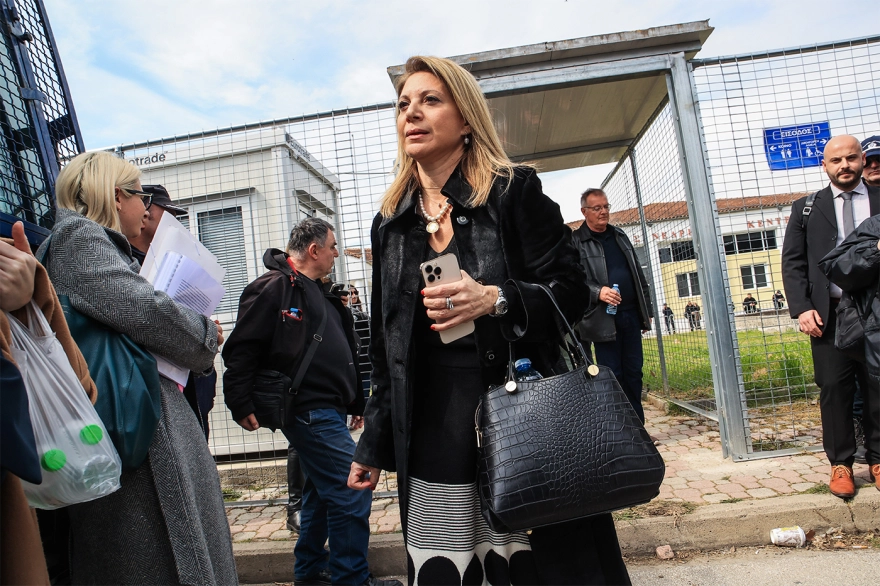
Parallel to the main trial, a separate but closely watched case concerning the so-called “missing videos” from the freight train added further fuel to the unrest. After 19 sessions, that trial was abruptly suspended indefinitely following the withdrawal of the presiding judge, who cited an inability to endure ongoing personal attacks.
Central to much of the controversy is Zoe Konstantopoulou, a prominent lawyer representing victims’ families. Her aggressive courtroom stance and outspoken criticism of judicial handling have drawn both support and sharp backlash. She has accused the court of obstructing access to critical evidence, while critics argue that her confrontational style undermines the proceedings themselves.
The dispute over access to digital evidence—particularly video material from the crash site—has become a focal point of contention. Initial decisions to grant access were later revised, prompting accusations of inconsistency and fueling suspicions among some families that key information is being withheld. Among those voicing such concerns is Maria Karystianou, who has publicly suggested that efforts are underway to obscure the truth.
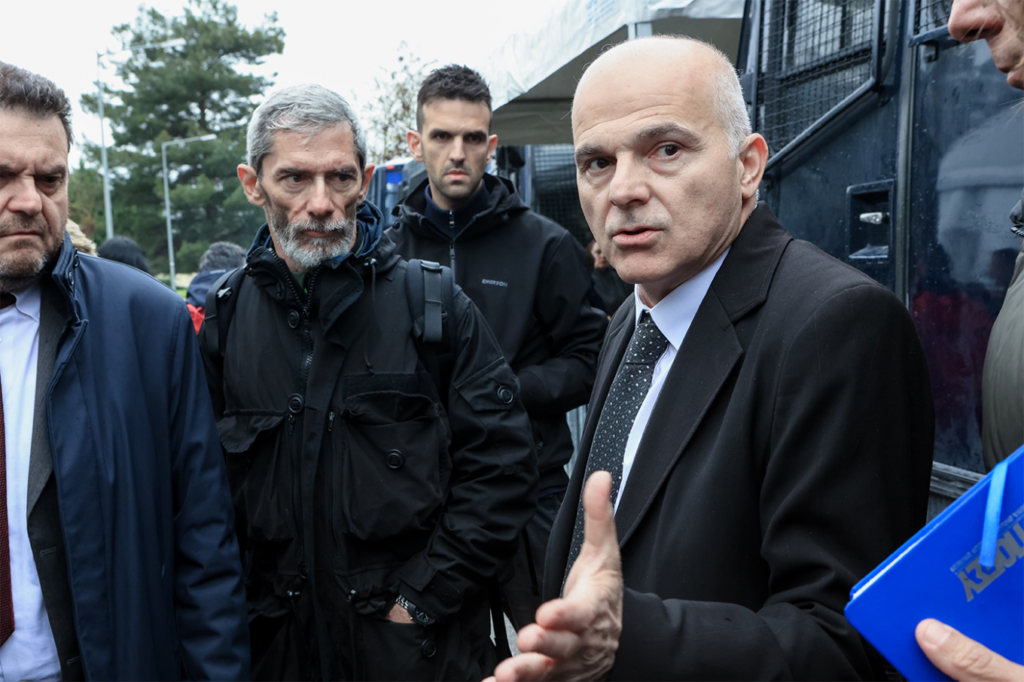
Yet divisions are also emerging within the ranks of those seeking justice. Antonis Psaropoulos, himself both a lawyer and a grieving parent, has openly criticized the lack of coordination among legal representatives. While aligning with the broader goal of accountability, he has emphasized that the manner in which arguments are presented is just as critical as their substance.
Institutional reactions have been equally strong. Judicial bodies, including the Association of Judges and Prosecutors of Greece and the Union of Greek Prosecutors, have issued sharply worded statements condemning what they describe as unprecedented conduct that threatens the integrity of the judicial process. Concerns over professional ethics, courtroom decorum, and the potential erosion of public trust have all been raised.
Meanwhile, legal complications continue to mount. Reports indicate that cases have been opened against Konstantopoulou over alleged unauthorized recordings within court premises, adding another layer of tension to an already fraught situation.
Beyond the clashes and accusations, practical issues persist. Families have complained about restricted access to the courtroom, limited visibility of proceedings, and what they perceive as an excessive police presence. For many, these conditions compound an already painful experience, reinforcing a sense of distance from a process meant to deliver justice for their loved ones.
As the trial moves forward, it does so under immense pressure—from grieving families, a watchful public, and institutions concerned about maintaining order and credibility. Whether the proceedings can regain focus and proceed with the clarity and dignity demanded by the scale of the tragedy remains uncertain.
What is clear, however, is that the Tempi trial has become more than a legal process. It is now a test—not only of accountability for a national tragedy, but of the resilience and integrity of the justice system itself.
Ask me anything
Explore related questions




