





Long-term natural gas supply arrangements through Greece are being developed with at least six countries in Southeast Europe, some of which have already been formalized through memoranda of understanding and are currently progressing toward final agreements.
This was reported yesterday by sources from Atlantic See, a joint venture between DEPA Trading and the AKTOR Group, on the sidelines of an event announcing agreements to supply Albania and Bosnia and Herzegovina with U.S. liquefied natural gas through the Greek energy system.
The countries involved include Romania, Moldova, Bulgaria, Ukraine, Hungary, and North Macedonia, with an interconnector pipeline expected to begin operations in 2027. According to ATLANTIC SEE CEO Alexandros Exarchou, the memoranda of understanding signed with Ukraine, Bulgaria, and Romania are expected to be converted into final agreements by the end of the year.
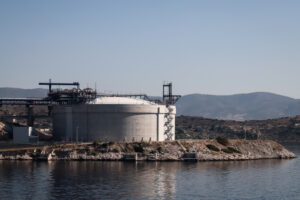
These agreements are intended to advance the so-called “vertical natural gas corridor,” a plan to supply regional countries with liquefied natural gas imported into Greece’s regasification terminals in Alexandroupoli and Revithoussa LNG Terminal. As emphasized, the agreements with Albania and Bosnia and Herzegovina are the first and only long-term natural gas sales contracts of their kind in the region, including repayment guarantees for the full duration of the contracts. These agreements have a 20-year term starting in 2030, with U.S.-based Venture Global serving as the supplier. The contracted volume amounts to 1.5 billion cubic meters of gas per year.
According to the same sources, the European Union is expected to face a potential natural gas supply shortfall next winter as Russian gas continues to be phased out of the European market (with full elimination expected by autumn 2027). At the same time, Qatar’s export capacity—affected during recent tensions in the Persian Gulf—may not yet have fully recovered.
In contrast, they noted that Greece maintains sufficiently diversified supply sources to ensure stable market coverage, combining long-term pipeline contracts with short-term LNG purchases. The increased share of renewable energy in the national energy mix also acts as an additional safeguard, as demonstrated during the recent Gulf crisis. However, a rise in fuel prices cannot be ruled out, particularly due to higher seasonal winter demand.
Finally, cautious optimism is being expressed in the natural gas market ahead of the upcoming July 6 auction for reserving gas transit capacity northward through the Greek system on a longer-term basis (up to one year). This optimism is driven by reduced transit costs—agreed largely through Greek efforts—and by continued demand from countries in the wider region.
Ask me anything
Explore related questions




