





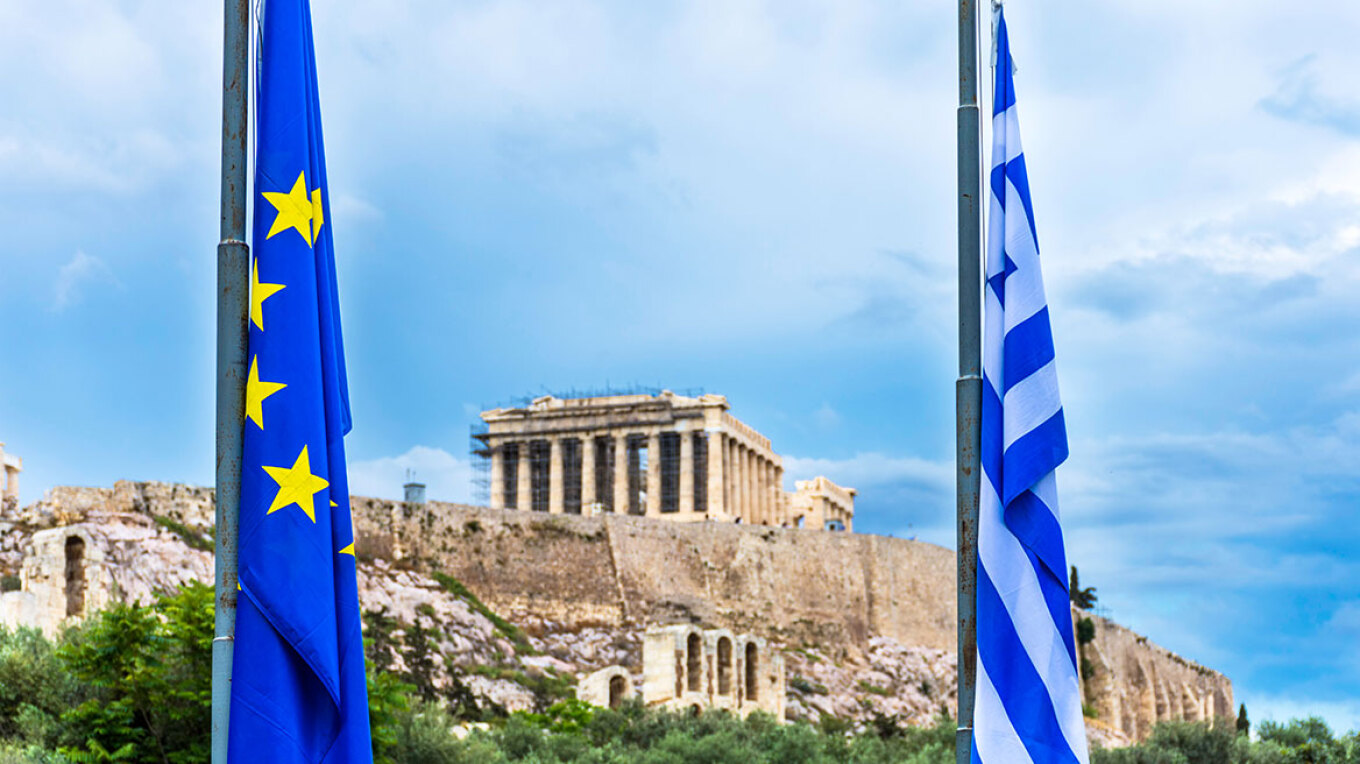
A new wave of large private investment is taking shape across Greece, with a heavy focus on industry and manufacturing and a wide spread of projects outside Athens. New factories and production lines, data centres, and schemes in food, pharmaceuticals, aluminium, chemicals, technology and infrastructure bring together names such as Titan, Metlen, Motor Oil, General Mills, Chubb, Yiotis, Goldair and Plastika Thrakis (Thrace Plastics).
Figures compiled by business stories show that projects approved under the development law over the past two years have a combined budget of €3.1 billion. Strategic investments approved over the same period exceed €3.5 billion. Together they make up a €6.6 billion package, which is forecast to create 21,000 jobs. The pipeline is still filling, with further projects at different stages of evaluation in sectors ranging from agrifood and pharmaceuticals to defence technology.
“Our central priority at the Development Ministry is to help change the production model of the Greek economy, so that it becomes far more productive, more competitive and more outward-looking,” Development Minister Takis Theodorikakos told business stories. He has made speeding up investment procedures a priority, with greater emphasis on higher value-added activities. “At the heart of this effort is modern Greek industry, one of the most resilient and productive sectors of our economy,” he said.
The two rounds of the “Major Investments” scheme under development law 4887/2022, which covers projects with eligible costs above €15 million, are of particular interest. The first round comprises 13 projects worth €320.16 million in total, with expected state aid of €141.88 million and about 699 new jobs. The provisional list for the second round, published only days ago, contains a further nine projects worth €193.8 million. Taken together, the 22 projects exceed €513 million and show where part of the new productive capital is heading and, above all, what is planned to be built.
The biggest projects
In Rhodope, in northern Greece, the company Water Science and Technology is setting up a new aluminium bottle plant in the Komotini industrial zone. The €21.77 million project is due to receive €15.24 million in aid and create 55 jobs.
Two data centres stand out in digital infrastructure. Nexus Data is pursuing a €26.67 million project in Kastoria, with aid of about €20 million and 67 new jobs. In Ioannina, Team Fortress is carrying out a similar €33.8 million investment, with €18.93 million in aid and 90 new jobs.
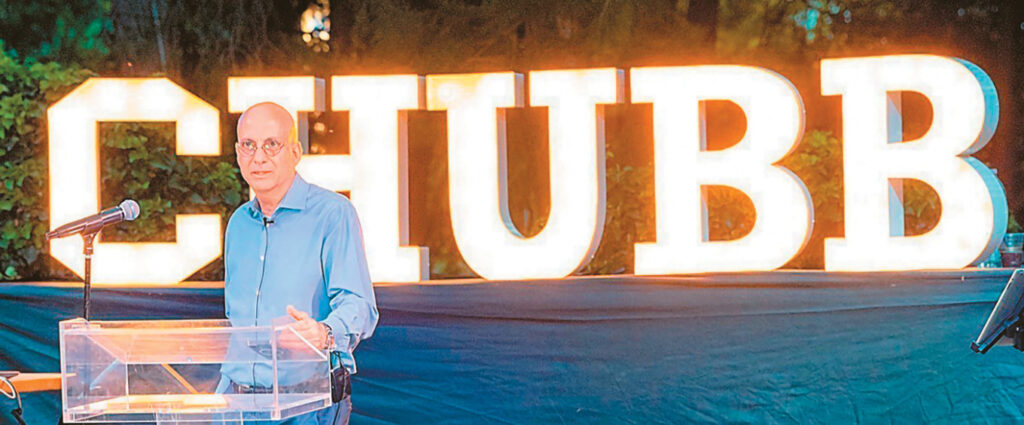
In Thessaloniki, Stavros Nendos SA, led by Katerina Nendou, is building a new bakery plant producing baguettes and kaiser rolls. The €34.95 million project is set to receive €13.98 million in aid and create 59 jobs. In the same area, Chubb Business Services EMEA, a subsidiary of the US insurance group, is spending €15.53 million expanding its existing IT design and development centre. The company, headed by Giorgos Nikolaou, has already established a significant digital hub in the city. The project is linked to 180 new jobs, the largest increase in employment among the 13 investments.

In Boeotia, General Mills Hellas, the Greek arm of the multinational food group, is investing €23.58 million to diversify output at its existing plant. Chairman and chief executive Dimitris Polyzois heads the company, which is expected to receive €7.54 million in aid and has committed to 31 new jobs.
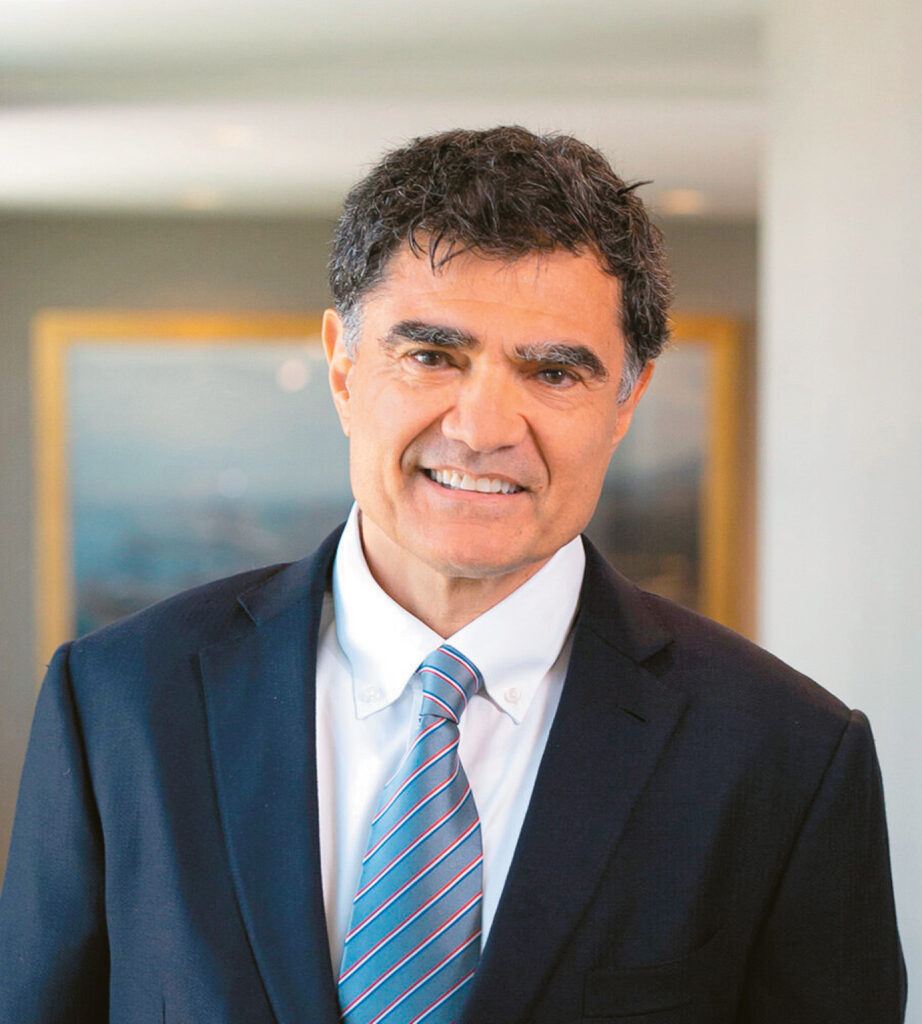
Motor Oil, owned by the Vardinogiannis family, is investing €15.23 million in Corinthia to expand capacity at two units of its refinery in Agioi Theodoroi, a sour water stripper and an amine recovery unit. Chairman Giannis Vardinogiannis leads the company, which is due to receive €4.87 million in aid and is expected to create 39 jobs.
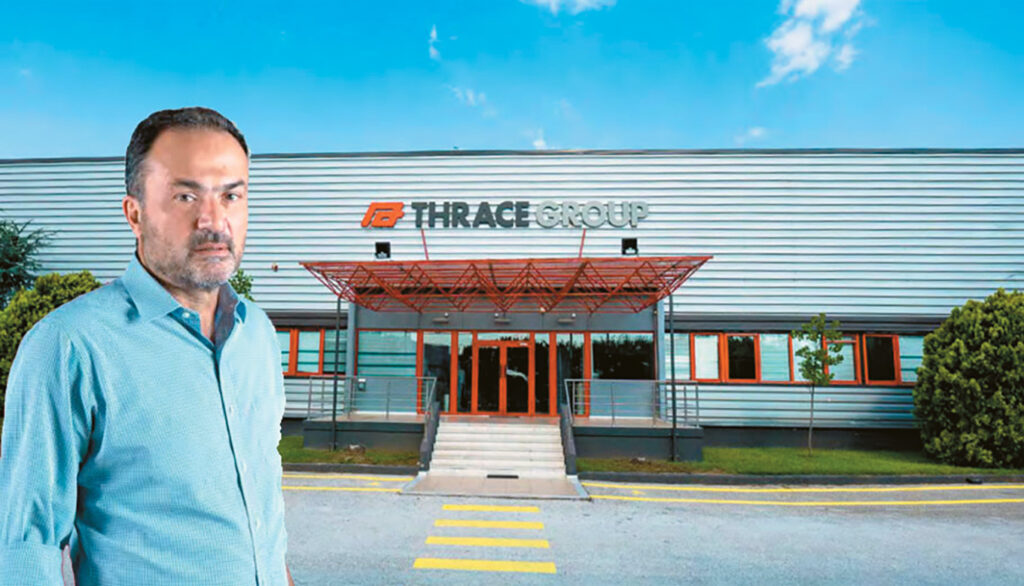
In Larissa, the aluminium extrusion company Exalco, part of the Viokarpet group owned by the Kantonias family, is putting €15.18 million into expanding production capacity under chief executive Giannis Kantonias. In Pieria, the paper manufacturer Maxi is pursuing a €16.74 million project to raise output of toilet paper and related products. In Xanthi, Thrace Nonwovens & Geosynthetics, part of the Thrace Plastics group owned by the Chalioris family, is investing €22.94 million in expanding its nonwoven fabrics plant at Magiko. The group is chaired by Konstantinos Chalioris.
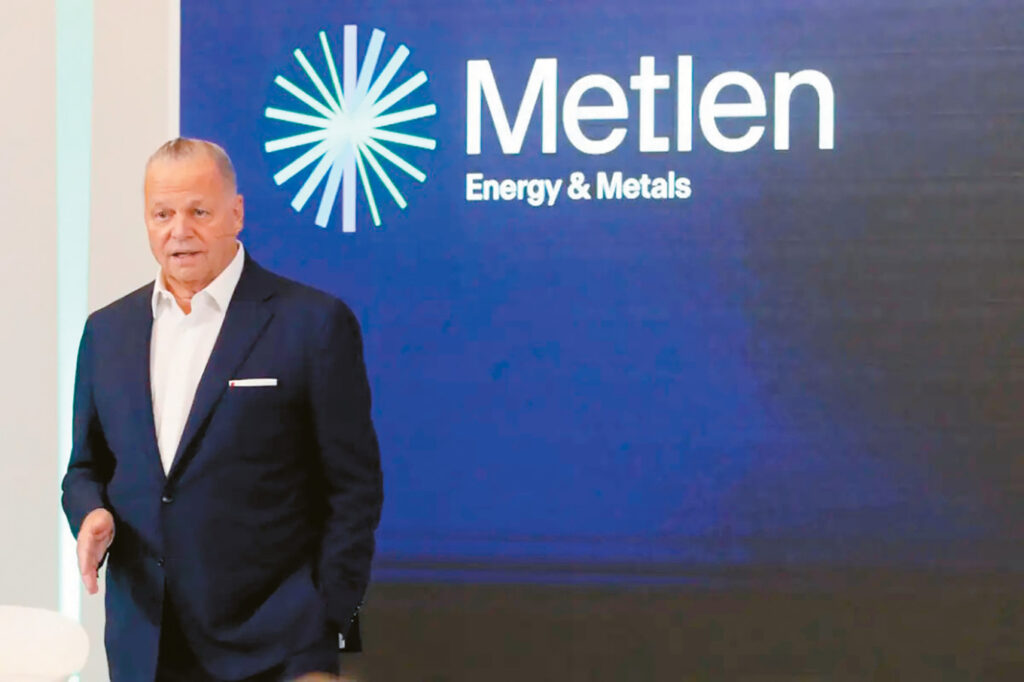
Boeotia attracts particularly heavy investment. Titan Cement, chaired by Dimitris Papalexopoulos, is carrying out the largest project of the round, worth €43.85 million, with aid of about €14.03 million. It involves a fundamental change to the production process at its Kamari plant, with a system to recover waste heat and convert it into electricity. In the same prefecture, Metlen Energy & Metals is investing €34.20 million to expand the capacity of an existing aluminium plant.
Finally, in West Attica, Goldair Cargo, led by Kallinikos Kallinikos, is advancing a €15.72 million plan for a new, standalone logistics unit. The project is set to receive €3.14 million in aid and create 40 jobs.
The new round
The picture for the second round of the Major Investments scheme is more recent still. The nine projects on the provisional list, worth €193.8 million in total, are expected to receive about €91.7 million in aid and are linked to about 409 new jobs.
In Kastoria, White Aquila Energy and Infrastructure, which is linked to the activities of the German group Aquila Capital/Aquila Clean Energy in renewables and clean energy infrastructure in Greece, plans a new Tier III data centre costing €20 million, with expected aid of €15 million. In the same area, Nera Pigon Grammou, owned by the Tsakos shipping family and best known for the Arrena brand, is pursuing a €17.47 million expansion with a new bottling line for natural mineral and sparkling water.
In Thessaloniki, the bakery ZEO Artopoiia is planning a €25 million expansion of its existing bakery and confectionery plant.
In Aitoloakarnania, the family firm Yiotis is investing €15.22 million in producing homogenised, highly nutritious food products. It is run by Ioannis Yiotis, who is also president of the Hellenic Food Industries Association (SEVT).
In Rethymno, Chryssi Chena (Mediterranean Life), part of the Gefsinous Holding group of businessman Manolis Vavourakis, is pursuing a €15.52 million expansion of its ready-meals plant.
Boeotia is home to a further group of projects. Kapachim, run by co-managing directors Dimitris Kavvadas and Giorgos Papaioannou, is investing €23.87 million in expanding its chemicals plant at Oinofyta, which specialises in raw materials for the detergent and personal care industries. Metlen Energy & Metals, headed by Evangelos Mytilineos, is advancing a €34.23 million plan to expand an existing alumina plant by installing a new seven-stage evaporator. KXA Paper Packaging, part of the Thrace Plastics group, is setting up a new paper packaging plant costing about €25.08 million.
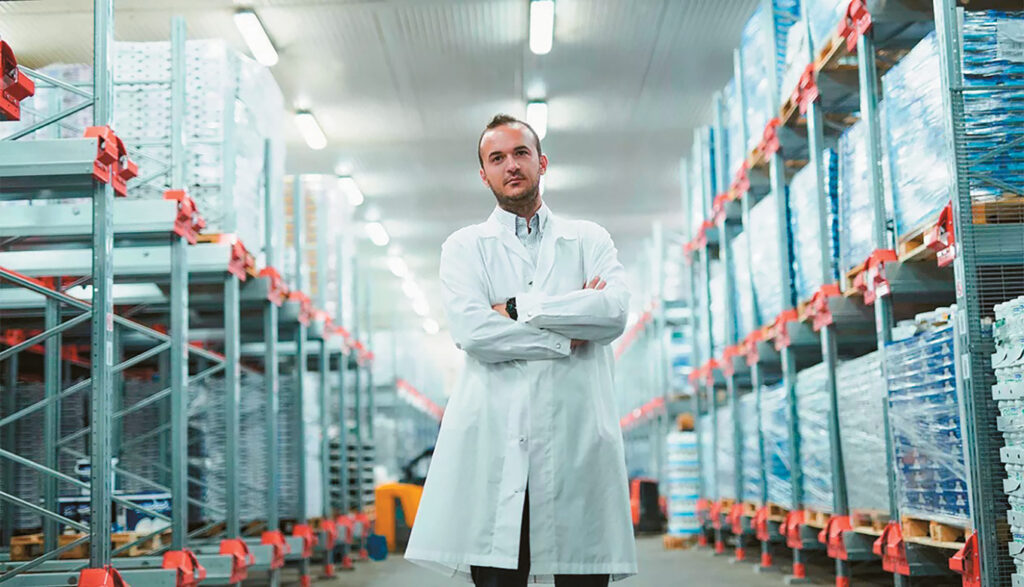
In Larissa, Viokosmos Medical and Scientific Equipment is planning a new pharmaceutical plant in the industrial zone, with an investment of about €17.46 million.
“We are backing productive investment with action, in industry, in manufacturing, in innovation, in new technologies and in the primary sector, creating the conditions for thousands of new and better-paid jobs,” Theodorikakos said.
The €10 billion gap
The momentum reflected in the 22 projects is significant, but it does not close the distance the Greek economy still has to cover. Investment remains a key driver of growth and has recovered strongly in recent years, with its share of GDP rising from about 11% in 2019 to 16.9% in 2025. Even so, a gap with the rest of Europe remains.
The deeper problem lies in business investment. In 2025 it accounted for 8.48% of Greek GDP, against 12.69% across the EU, leaving a gap of 4.21 percentage points. At current prices, closing it would take more than €10 billion in additional business investment every year. With the EU Recovery and Resilience Facility nearing its end, the burden is shifting increasingly to the economy’s ability to mobilise the private capital that will keep driving growth. The development law is intended to be a main lever for that.
In total, 928 investment projects approved over the past two years come to €3.1 billion, with aid of €1.5 billion and about 15,000 expected new jobs. The emphasis on production is especially strong. In manufacturing alone, 500 projects with a combined budget of €1.78 billion have been approved, with aid of €848 million and more than 6,500 expected jobs.
Once the approvals from the second round of the Major Investments scheme are added, the total budget in that segment is expected to reach €1.97 billion, aid will exceed €940 million, and expected employment will rise to about 7,000 jobs.
Strategic investments
Alongside the development law, strategic investments are the second main channel for mobilising large private capital. Over the past two years, projects with a combined budget of more than €3.5 billion have been approved, expected to create about 3,000 highly productive jobs.
Since Theodorikakos took over at the Development Ministry, 22 new strategic investments have been approved, of which 10 are in industry, three in new technologies and nine in tourism. In addition, since last April, when Law 5297/2026 made the General Secretariat for Private Investment the single point of service for strategic investments, 14 new proposals have been filed in key sectors including agrifood, defence technology and pharmaceuticals.
Companies that have already signalled their intention to join the scheme include MEVGAL, owned by the Hatzakos-Papadopoulos family, at Koufalia near Thessaloniki, and Altus, founded by aeronautical engineer Zacharias Sarris, with VNK Capital, run by Vasilis Katsos, as a minority shareholder. Altus is pursuing investments in new technologies and defence in Crete and Attica. MEVGAL is headed by Konstantinos Hatzakos-Papadopoulos. A third is Fulgor, part of the Cablel Hellenic Cables group owned by the Stasinopoulos family, which is investing in Corinth and Thebes and is active in critical infrastructure such as subsea cables.
Other pieces of the same picture include €200 million in Modernisation Fund financing for decarbonisation and energy-saving investments in heavy, energy-intensive industry, and the new CISAF 6.1 state aid framework for strategic investments. There is also Metlen’s major gallium investment, which was approved by the Interministerial Committee for Strategic Investments after securing funding from the Modernisation Fund, the Recovery and Resilience Facility and the Public Investment Programme.
The real test, however, begins after approval. Inclusion in the development law or the strategic investments scheme does not in itself mean an investment has been made. Delivery timetables, the speed of permits and disbursements, and ultimately the conversion of approved plans into productive capital will determine how much of the €6.6 billion wave reaches the real economy. The aim is not simply more billions in approval decisions, but more output, higher productivity, greater outward-looking trade and better-paid work.
Theodorikakos insists on that link. “Because growth gains real meaning and substance when it shows up in citizens’ incomes,” he said. “More production, greater productivity and better wages mean higher disposable income for everyone and, of course, more opportunities for young people to stay and build their future here in our country.”
Ask me anything
Explore related questions




