





Greece’s Central Archaeological Council (KAS) has unanimously approved a study that effectively proposes the creation of an archaeological park within a lush natural landscape typical of the Ionian Islands, dotted with olive trees and other vegetation, as well as dry-stone walls forming terraces.
The site is located within the archaeological area of the Mycenaean ‘Palace of Odysseus’ in northern Ithaca. The palace was built in 1300 BC, and its ruins were discovered in 2010.
A funerary monument and a well dating to 1200 BC were also found at the same location.
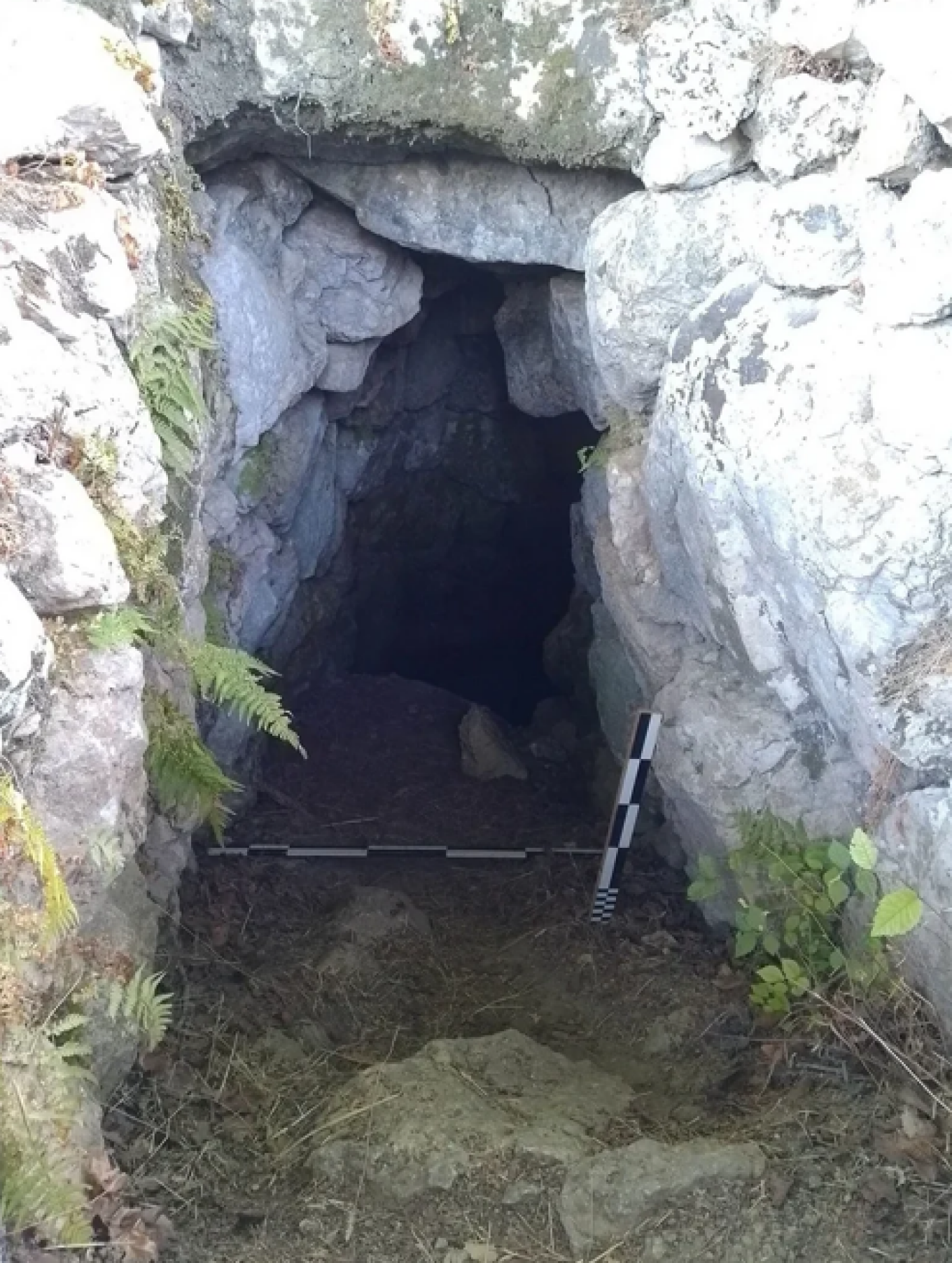
How the site will be developed
According to the council’s recommendation, the study proposes a light-touch intervention that works with the site’s natural features, allowing visitors and other interested members of the public, whose numbers are already considerable, to enjoy the area.
Under the updated study, the main entrance to the archaeological site will be located approximately 30 metres from the Mycenaean fountain, rather than six metres away as initially proposed. The existing car park will be upgraded with a compacted-earth turning area designed to blend as discreetly as possible into the surroundings. Similarly unobtrusive will be the entrance guard post, measuring three square metres, and the eight-square-metre toilet facility, which will also accommodate people with disabilities.
The path, which will be laid using natural earth, will follow the terrain’s natural route and make use of the two existing entrance-exit points. A route with a suitable gradient will also be provided for people with disabilities.
Two benches, each 1.80 metres long and 0.45 metres high, will also be installed: one at the entrance and the other at the highest point reached by the path. Four information signs will be added as well. As was noted during the meeting, the interventions will not alter the site; they will simply make it more accessible and better maintained.
These are, moreover, the least intrusive measures possible at this stage, as the site has not yet been sufficiently investigated archaeologically. Excavations will therefore need to take place before it can be fully developed and presented to the public.
The ‘Palace of Odysseus’
The Mycenaean palace, which had two or possibly three levels and a staircase carved into the rock, was built around 1300 BC. It bears several similarities to the palaces of Mycenae and Nestor.
Among other features, the building contained workshops, storage rooms, a drainage system and an underground water cistern.
The palace ruins were discovered in 2010 during archaeological excavations led by Thanasis Papadopoulos, which had lasted a total of 16 years.
The building takes its name from Odysseus, who, according to Greek mythology, was king of Ithaca and one of the most prominent military commanders who took part in the Trojan War.
For a long time, the palace described by Homer in the Odyssey was believed to have stood on Ithaca. However, the lack of substantial archaeological finds was considered, among other things, evidence that Homer’s Ithaca was in fact a different island — specifically, Lefkada, according to German archaeologist Wilhelm Dörpfeld, who worked alongside Heinrich Schliemann at Troy.
Some academics, however, argue that the ruins discovered at the site known as ‘Agios Athanasios – Homer’s School’ in northern Ithaca correspond to Homer’s description of Odysseus’ palace in significant respects. They also support the view that Ithaca was an important centre of power during the Mycenaean period.
Nevertheless, it remains unknown whether the ruins can be linked to a king named Odysseus. Despite this uncertainty, the archaeological site has become widely known as the Palace of Odysseus.
Ask me anything
Explore related questions




