





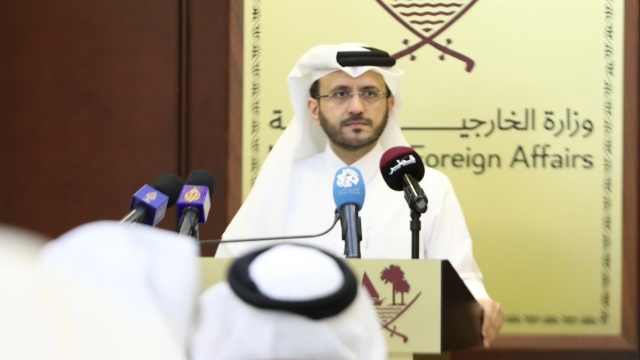
Qatar has reacted angrily to allegations of its involvement in Israel’s parliamentary elections, with Doha categorically denying any funding or interference in the electoral process and accusing Israeli politicians of trying to use the country as a “scapegoat” for their political failures.
Qatar’s Foreign Ministry spokesperson, Majed Al Ansari, described the claims as “ridiculous and dangerous,” calling them part of a new disinformation campaign aimed at dragging his country into Israel’s domestic political disputes following Tuesday’s election.
The Qatari response follows reports in Israeli media that Benjamin Netanyahu’s Likud party believes Qatar may be behind the funding of organizations that worked to increase turnout among Arab voters.
So far, no public evidence has been presented to substantiate these specific allegations.
“If We Believed the Accusations, Qatar Would Have Bought All of Israel”
In an extensive post on the platform X, Majed Al Ansari rejected allegations that Qatar had financed activities related to the election.
“We categorically reject claims that Qatar interfered in the Israeli elections or funded any activities intended to influence their outcome,” he said.
The Foreign Ministry spokesperson accused certain Israeli politicians and media figures associated with them of promoting a new disinformation campaign.
“We reject the accusations made by certain Israeli politicians and their media contacts, who have launched yet another disinformation campaign aimed at dragging Qatar into Israeli political disputes following this week’s elections,” he said.
Al Ansari then responded sarcastically to the repeated accusations against Doha.
“Israeli politicians accuse Qatar of buying off Benjamin Netanyahu, the Israeli political left, and now, in this latest campaign, the Arab vote. If we believed these claims, Qatar would apparently own all of Israel,” he remarked.
“The Accusations Are Ridiculous and Dangerous”
The Qatari diplomatic spokesperson argued that the allegations reveal an excessive preoccupation with Qatar among certain political and media circles in Israel.
“This claim is equally ridiculous and dangerous, and it reveals an excessive obsession with our country on the part of certain Israeli politicians and media representatives,” he said.
He also accused those making the allegations of attempting to divert attention from their own country’s domestic political problems.
“Qatar should not be used as a scapegoat for the political failures of certain Israeli politicians,” he stressed, adding: “Rather than trying to turn attention toward Qatar, they would be better off focusing on their own voters, improving people’s daily lives, and repairing the damage they have caused in the region.”
Concluding his statement, Al Ansari reiterated that Doha was not involved in Israel’s domestic political processes.
“We reiterate that we have no involvement in Israel’s political or electoral competition. These are internal Israeli affairs in which we do not interfere, and we will not accept any attempt to drag Qatar into the country’s domestic political disputes,” he emphasized.
Shin Bet Investigation Into Possible Foreign Funding
The dispute erupted after it emerged that the chairman of Israel’s Central Elections Committee, Judge Noam Sohlberg, had asked David Zini, head of the Shin Bet domestic security service, to investigate serious suspicions of improper foreign interference in the elections.
In his letter, Sohlberg said he had received information concerning possible funding by foreign actors operating against Israel’s interests.
The judge did not name any specific countries and noted that he was unable to verify whether the suspicions were well-founded. He nevertheless asked Shin Bet to use its powers to identify evidence that could either confirm or refute the allegations, with a report on the findings due within one week.
According to reports in Israeli media, the suspicions concern possible funding for organizations that mobilized Arab voters.
Ask me anything
Explore related questions




