





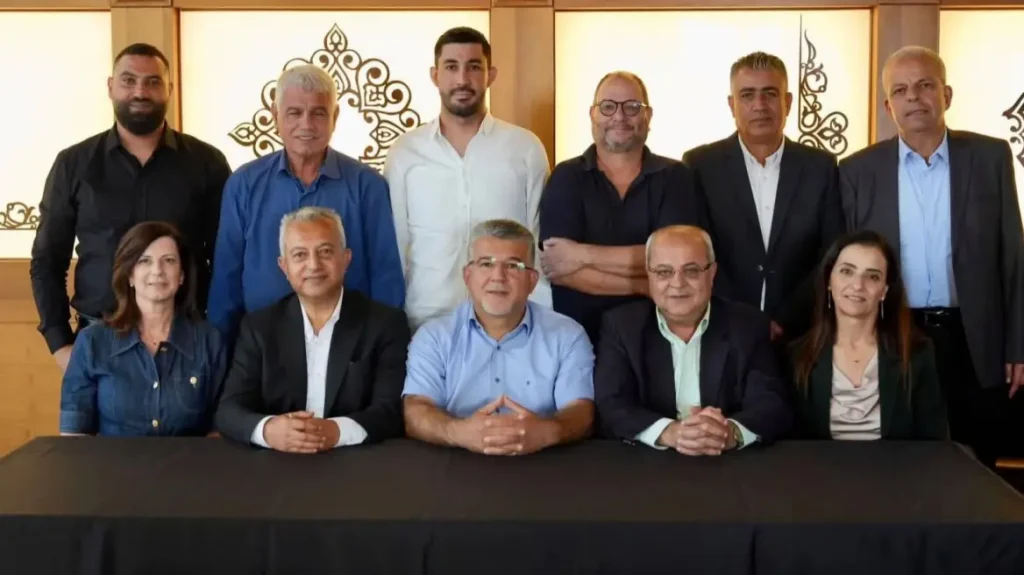
The Arab Joint List alliance has announced its decision to nominate Yashar chairman Gadi Eisenkot as Israel’s next prime minister, following its success in securing 11 seats in the recent Knesset elections.
Eisenkot already had more parliamentary support than incumbent Prime Minister Benjamin Netanyahu. The Joint List’s endorsement is expected to bring his total to 67 recommendations, securing a majority in the new Knesset. However, not all parties backing him are expected to join his government.
The alliance said the decision was unanimous among its three constituent parties, reflecting public demands to prevent Netanyahu and his government from returning to power.
It argued that its endorsement could strengthen the prospects of political change and reduce the likelihood of a national unity government that would keep Netanyahu in office.
A Joint List delegation is expected to formally present its recommendation to Israeli President Isaac Herzog this afternoon.
Earlier, the ultra-Orthodox parties, holding six seats, announced they were withdrawing their support for Netanyahu, while stopping short of endorsing Eisenkot.
Who is the Joint List?
The Joint List is a political alliance representing Israel’s Arab minority. Re-established in August 2026, it secured 11 seats in the 27 October 2026 parliamentary elections.
Led by Yousef Jabareen, the alliance comprises three main political factions:
- Hadash: A Jewish-Arab left-wing and communist front.
- Ta’al: A secular Palestinian nationalist party.
- Balad: A Palestinian nationalist party which had previously contested elections independently but rejoined the alliance for the 2026 election.
Ask me anything
Explore related questions




