





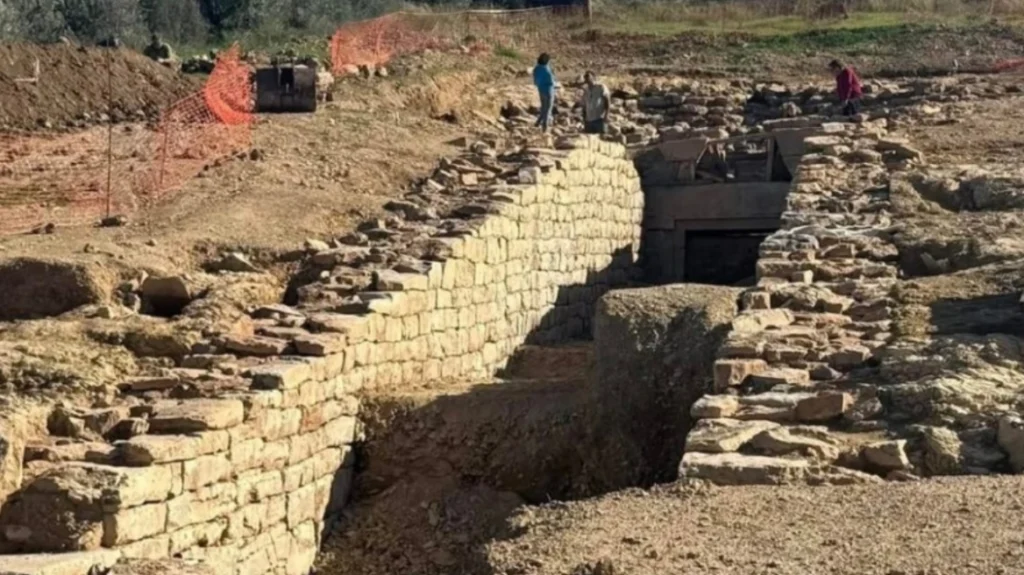
A significant archaeological discovery has come to light during construction works on the Chalkida–Psachna bypass in Euboea. It is a tholos tomb dating from the Mycenaean period, more than 3,200 years old. According to initial estimates, its dimensions place it among the 20 largest burial monuments of this type ever discovered in Greece.
The tomb, discovered in Psachna, is the 126th Mycenaean tholos tomb to have been found in the country to date. The initial evidence available to archaeologists suggests that it was constructed for the burial of an individual of particularly high social prestige and political power.
The identity of the deceased remains unknown, according to E-Sterea, while the continuation of archaeological investigations is expected to shed further light on the role and significance of the monument.
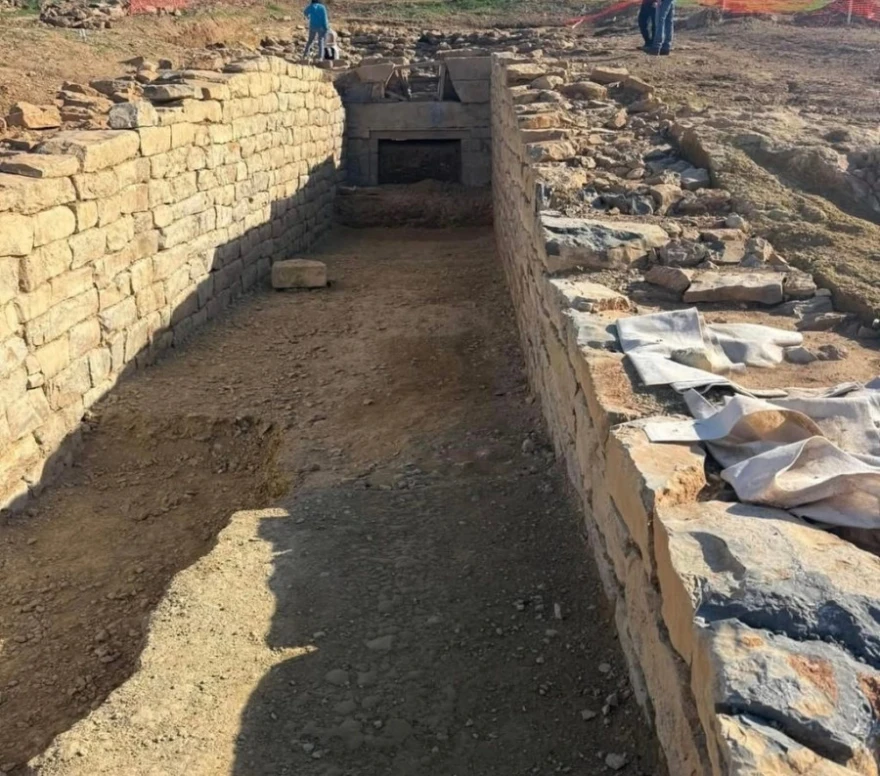
What the Tomb’s Dimensions Reveal
The Mycenaean period extended approximately from the 16th to the 12th century BC and falls within the Late Bronze Age. During these centuries, powerful palace centers and complex forms of social organization developed, while trade and cultural contacts throughout the Aegean and the eastern Mediterranean expanded.
Burial practices reflected the social stratification of the period, with tholos tombs representing one of the most distinctive achievements of Mycenaean architecture.
The construction of such monuments required specialized technical knowledge, substantial financial resources and a considerable workforce. The ability to build them was therefore linked to the wealth and power of the families or social groups that used them.
In the case of the discovery at Psachna, the exceptionally large size of the tomb provides a key indication of the prominent status of the individual believed to have been buried there.
Ask me anything
Explore related questions




