






Two groups allegedly charging as little as €120 a month for fake lodging receipts raised their fees to as much as €630 after electronic payment requirements changed the way they operated, according to the case file. The receipts could support claims for up to €3,120 in accommodation expenses for a 30-day assignment. Investigators put the total loss to the Greek state at no less than €12,674,600.
The 1,189-page report by the Internal Affairs Service of the Security Forces describes two groups that operated independently and competed for customers.
The case file identifies 33 people suspected of taking part in or assisting the groups and 1,309 police officers, coast guard officers, firefighters, military personnel and other public employees suspected of using the receipts.
What the fake receipts cost
Recorded calls indicate that fees depended on the destination and the length of the assignment. In areas where the state covered up to €104 per night, the first group initially charged €250 a month or, in some cases, €25 per night. Where the reimbursement cap was €80, it charged €200 to €220 a month or €20 per night. The second group charged €200 to €220 a month in areas with the higher cap and €180 where the cap was €80.
Competition drove prices down. The first group began losing customers to the second, according to the calls. For assignments in Athens, the groups eventually charged around €200 and €150 a month respectively.
In Thessaloniki, the corresponding fees were €150 and €120, while monthly fees elsewhere could fall to €140–€150. For short assignments, recorded rates ranged from €9 to €20 per night.
Those figures were the fees charged for supplying the receipts. A receipt for 30 nights could show accommodation costs of €2,400 or €3,120, depending on the applicable reimbursement cap.
Electronic payments drove up fees
Investigators say the groups initially split charges across receipts worth less than €500 to avoid the electronic payment requirement. By November 2026, recorded calls indicated that employees were paying the full amount shown on the receipts by bank transfer. The groups allegedly kept their fee and returned the balance in cash.
Electronic payments for assignments lasting about a month ranged from €2,400 to €3,224, depending on the destination and the number of nights. In one case involving several employees travelling on assignment, a group was expected to return €18,380 in cash for one month and €19,456 for the next.
The cash refunds put pressure on the groups’ finances. A central figure in the first group made daily withdrawals from company accounts, reaching as much as €60,000 before falling to €20,000. The reduction delayed refunds, and some of those involved allegedly used their own cash to cover the shortfall.
By November, recorded fees had reached €450 a month in areas with an €80 nightly reimbursement cap and €630 where the cap was €104. For shorter assignments, the groups charged €15 to €30 per night.
A 44-square-metre property with overlapping stays
Each group had its own leadership, companies and network of associates. The alleged leaders coordinated the offices and oversaw the issuing of receipts. Others handled calls, collected employees’ details, printed receipts and tracked payments. Some associates travelled around the country delivering receipts and collecting fees.
The companies were set up to lease and manage property in areas where public employees were frequently sent on assignment. Tax records indicated that the first group had access to more than 173 properties. Some had no electricity or running water. In other cases, the owners had agreed in advance that the properties would remain unoccupied.
Receipts for one 44-square-metre property showed numerous people staying there on overlapping dates. Investigators found similar discrepancies at other addresses, as well as companies that issued large numbers of receipts despite having no corresponding residential leases in their tax records.
Some individuals appeared in company records as managers. Investigators are examining whether they knowingly gave others control of the businesses or whether their details were used without their knowledge. In one case, the person listed as manager had died before the company was established.
How the claims were paid and what investigators found on VAT
Employees travelling on official business could claim reimbursement for actual accommodation expenses up to the applicable nightly cap. Investigators say suspected users gave the groups their travel details and submitted the receipts they received alongside their official travel paperwork.
In most of the cases examined, investigators say the claimants had not stayed at the property listed on the receipt. In other cases, employees did stay at the property, but the actual cost was substantially lower than the amount claimed. The case file indicates that the checks carried out before payment did not always establish whether the overnight stays had taken place.
Investigators also found that some fees were lower than the VAT due on the amounts shown on the receipts. They concluded that the practice would have been financially unviable for a business meeting its tax obligations. The case file calls for further investigation into how the companies handled those obligations and what the accountants who worked with the groups knew about their activities.
The €12.67 million loss and the arrests
Investigators attributed €2,844,727.66 in losses to the first group and €9,512,781.45 to the second. The inquiry also identified receipts issued by other companies whose registered managers may have had little or no control over their operations.
Authorities initially announced the arrests of 17 suspected group members, including the two alleged leaders. They also arrested four uniformed personnel suspected of using false receipts. The case files cover alleged offences including gang membership and repeated complicity in fraud against the Greek state involving losses exceeding €120,000.
The 1,309 suspected users face allegations of misdemeanour fraud where applicable. Investigators are also examining possible offences involving formal declarations submitted in some cases.
Cash, winning gambling tickets and bank balances
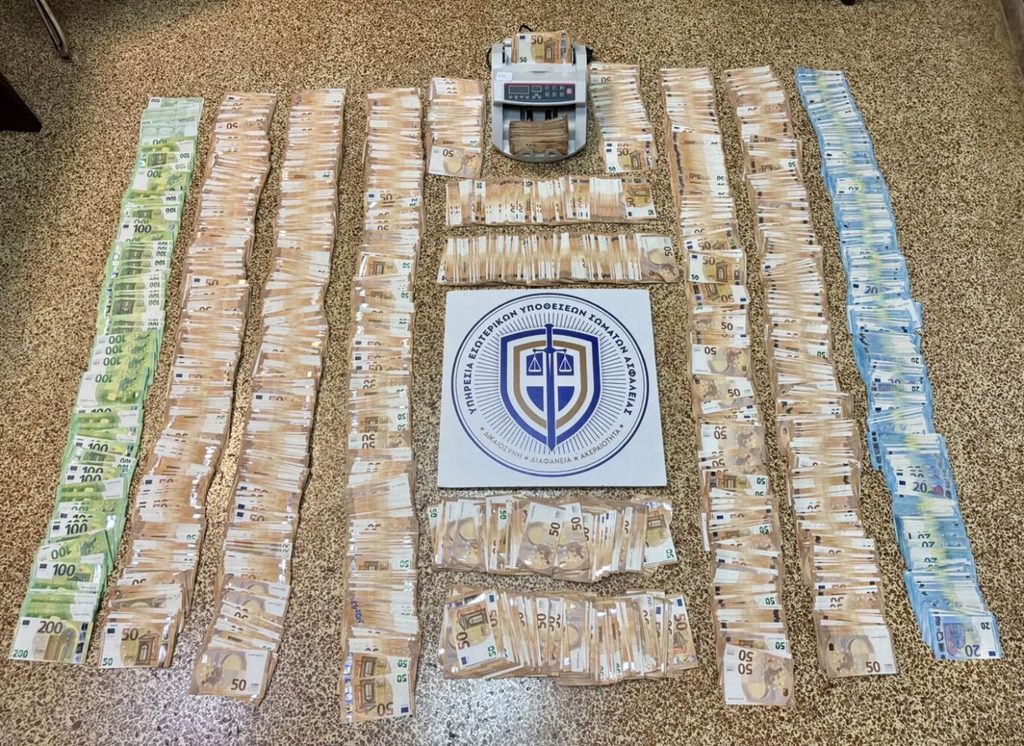
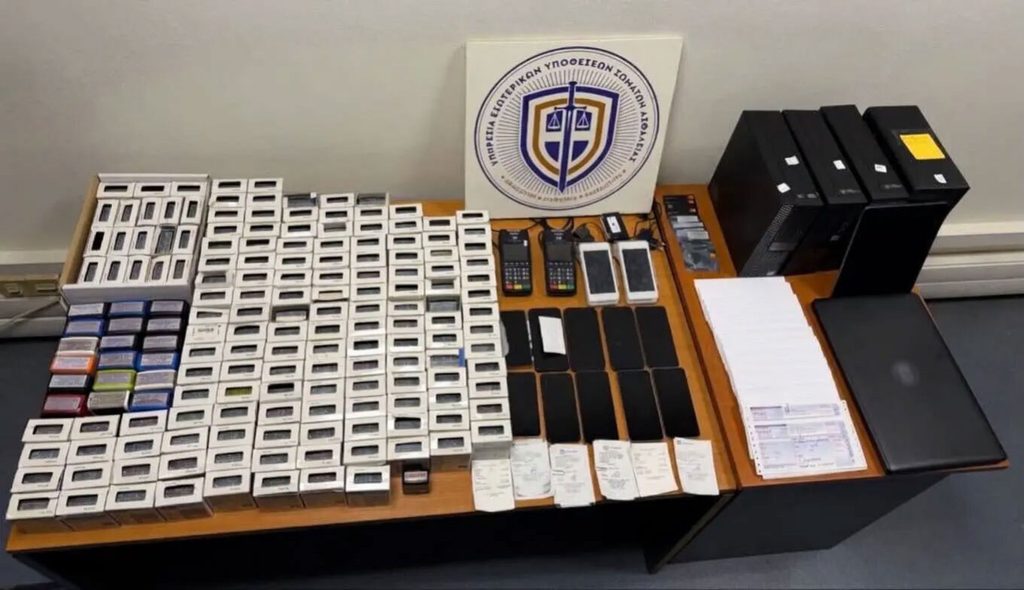
Police seized €418,270 during searches of homes, offices and vehicles. Of that amount, €328,375 was found hidden in a home. Officers also recovered winning gambling tickets worth more than €200,000, computers, mobile phones, company stamps, card terminals and notes relating to travel and payments.
Bank accounts linked to key figures showed balances totalling more than €2.4 million across different dates. Investigators are still examining the origin and movement of those funds and how much, if any, represents proceeds of the alleged fraud. Greece’s anti-money laundering authority was also notified.
Ask me anything
Explore related questions




