





Europe is stepping up security ahead of Christmas after a series of cyberattacks, threats against airports and alleged plots linked to Iran. The incidents have affected supermarkets, food processing plants and blood banks, bringing the fallout from the conflict in the Middle East into everyday life across Europe.
The cases include an alleged plot to kill an Israeli citizen in Greece and a wave of cyberattacks that disrupted refrigeration systems across France. European authorities are also examining possible links between Iran-linked hackers and threats that disrupted flights in November.
US charges three men over alleged attacks
On November 10, the US Justice Department announced eight charges against Mohammad Baqer Saad Dawood al-Saadi, a dual Iranian-Iraqi national, Mohsen Mohajeri, an Iranian national, and Mohammad Ali al-Hassani. Prosecutors allege the three were involved in nearly 20 attacks and attempted attacks across Europe and the United States, as well as a September 2026 plot targeting RAF Fairford in the United Kingdom.
US prosecutors allege the men directed attacks from Iraq. The attacks in Europe were carried out in the name of Harakat Ashab al-Yamin al-Islamiya, or HAYI, which US authorities describe as a front for Kata’ib Hezbollah. On June 10, 24 countries, including France, the United Kingdom and the United States, issued a joint statement condemning the group’s activities.
In a separate case, five suspected members of a group allegedly planning to kill an Israeli citizen in Greece were arrested in North Macedonia. Edris Jahangiri Mavaneh, an Iranian man described as the suspected organiser of the plot, is alleged to have had direct ties to Iranian intelligence services.
Cyberattacks hit shops and blood banks in France
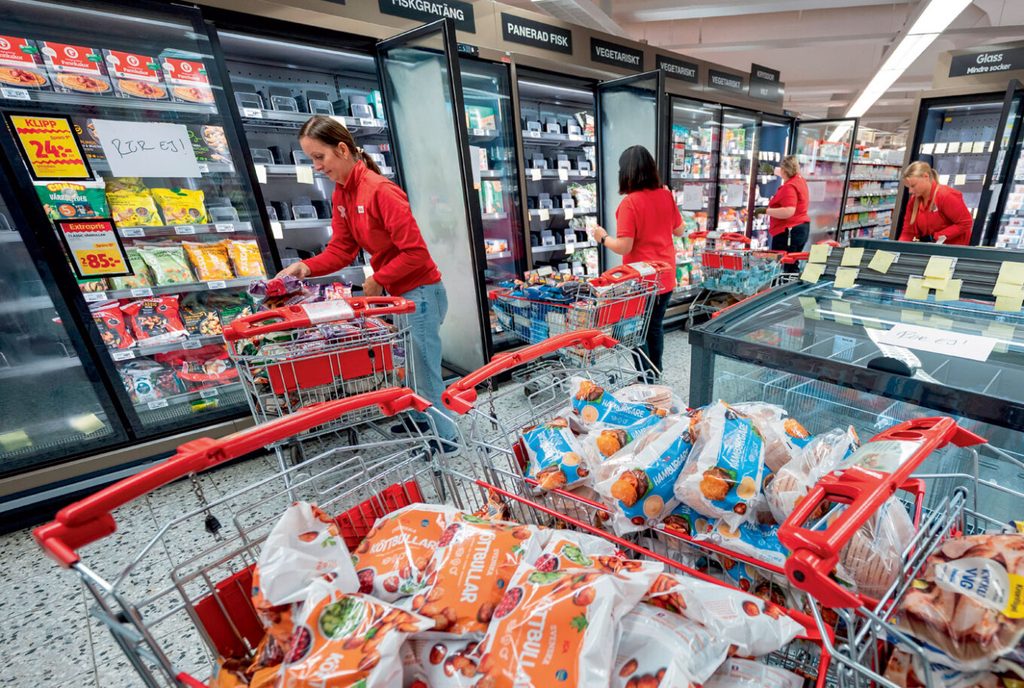
Disruptions to refrigeration systems spread across about 700 French retail outlets in October. The incidents were initially treated as technical failures. French authorities later attributed them to Shahid Kaveh, a unit of the Islamic Revolutionary Guard Corps’ cyber command.
Tonnes of food had to be discarded after attackers gained control of refrigeration systems, and at least 15 fires broke out. The broader series of attacks also affected a slaughterhouse, food processing plants and hydroelectric facilities. In early November, authorities found that refrigeration units at three facilities operated by the French Blood Establishment had also been targeted. Paris publicly blamed Shahid Kaveh on November 9.
In Ireland, the hacking group Handala targeted medical technology company Stryker’s operations in Cork in March, where the company employs around 5,000 people. The attack erased data from affected systems.
The European Union also imposed sanctions in March on Iranian company Emennet Pasargad and two Chinese companies. The EU said Emennet Pasargad had illegally accessed a database of French subscribers and advertised the data for sale, compromised digital billboards during the 2024 Paris Olympics to spread disinformation and breached a Swedish text messaging service.
Airport threats disrupt flights
At least 28 flights were affected by a wave of threats at European airports on November 5. The hacking group CyberAveng3rs, which is believed to operate under Shahid Kaveh’s oversight, was mentioned in connection with the incidents. Its role remains unconfirmed.
European authorities are also examining how groups linked to Iran recruit people to carry out sabotage. Counterterrorism specialists have drawn comparisons with suspected Russian operations in Europe, in which people were recruited online and paid small sums to carry out attacks. In the cases linked to HAYI, analysts say the choice of targets appears intended to intimidate Jewish communities and keep security services under pressure.
Ask me anything
Explore related questions




