





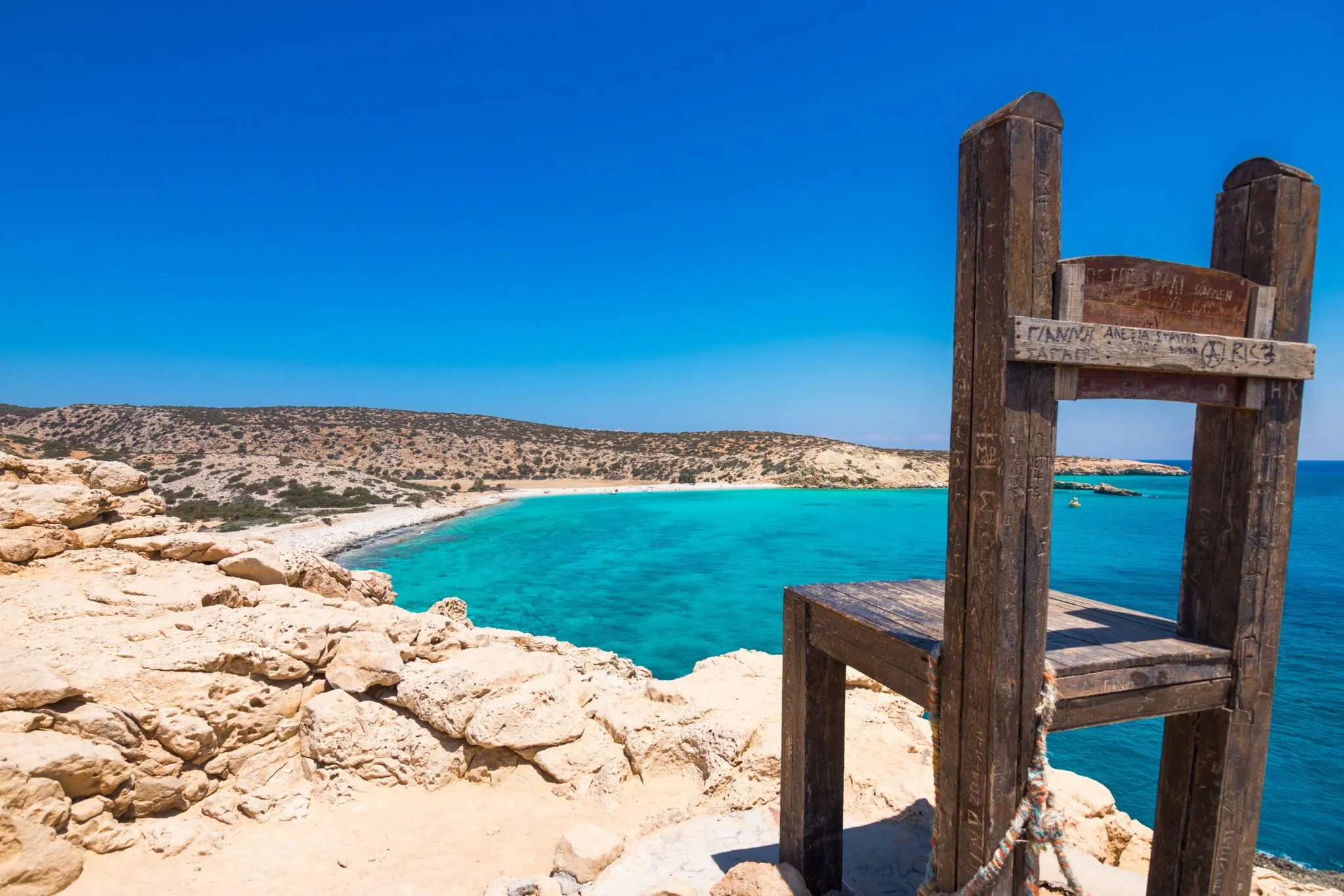
Greece is easing into the summer of 2026 with a subtly redrawn coastline. By joint ministerial decision, the country’s register of “untrodden beaches” — shores deemed to hold exceptional aesthetic, geomorphological or ecological value — has grown to 251, a quiet but consequential expansion. On these beaches, the leasing of sand for commercial use is no longer permitted, and any intervention that might alter the natural contour of the place is off the table. The premise is disarmingly simple: here, the dunes, the junipers, the sea caves, the nesting grounds and the water itself are the attraction.
The decision arrives in a season already attuned to the idea. Two summers ago, a grassroots gesture known as the towel movement – sparked on Paros, where residents laid out their towels between encroaching rows of sunbeds – rippled across the Aegean and prompted a national conversation about who, exactly, the coast belongs to. The state has since answered with tools of its own: MyCoast, a citizen-reporting app that lets anyone photograph and flag infringements on public shoreline, and a program of drone surveillance that has already produced fines for illegal beach occupation. Taken together, they amount to a soft but steady recalibration.
For the traveler, the appeal is less about policy than about pace. These are places that ask something of you – a boat, a walk, a packed lunch, a pair of shoes that can handle stone – and return the favor in the oldest currency the Greek summer has to offer: heat, salt, wind and the long, pacifying silence between swims. What follows are ten of them, chosen for the particular way each one rewards the effort.
Read more at Travel.gr/en
Ask me anything
Explore related questions




