> iran
> iran
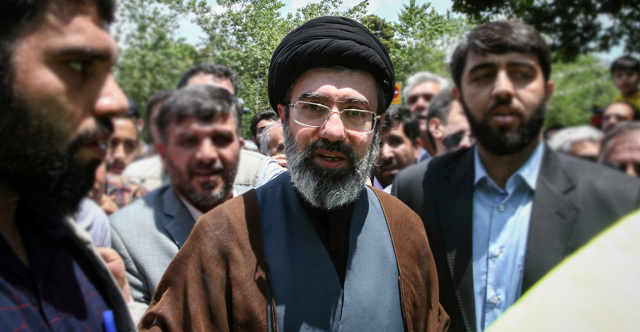
Iran’s supreme leader still not seen in public six months into war
His prolonged absence is raising more and more questions about his health and the actual role he plays in decision-making
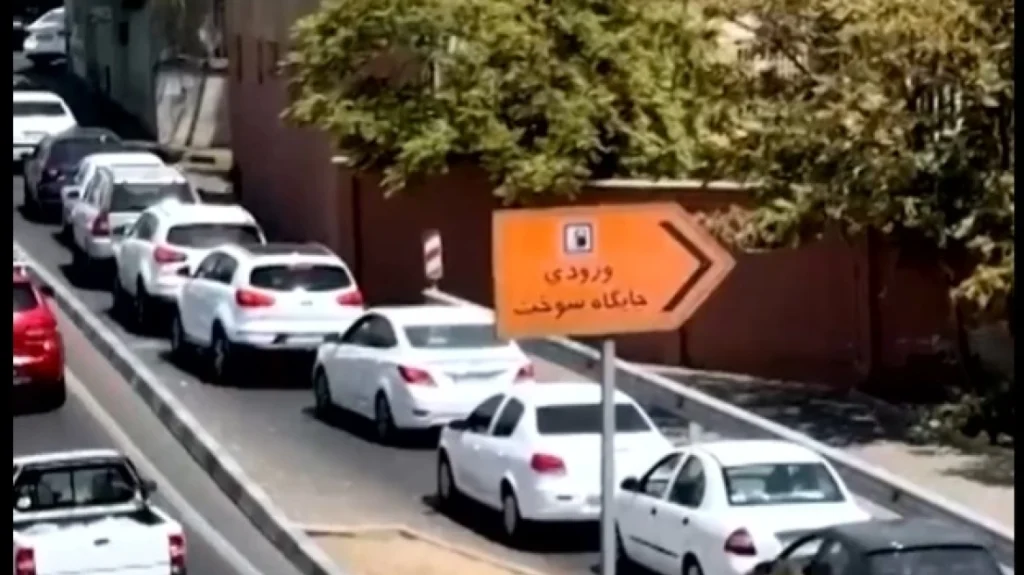
Iran is running out of fuel: Queues at gas stations in Tehran, daily shortfall reaches 15 million liters
Consumption of strategic reserves reaches “red alert” levels — Dispute between the Pezeshkian government and the Islamic Revolutionary Guard Corps, queues and closed gas stations in Tehran
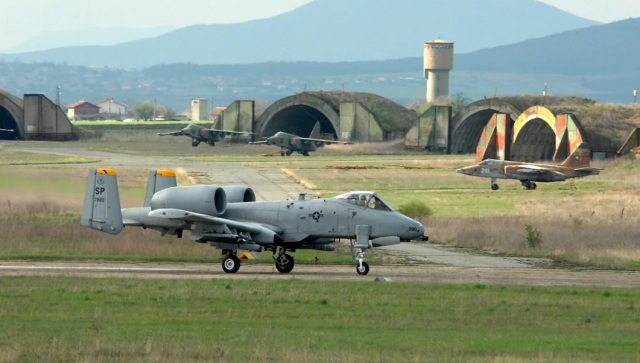
The village of 1,000 residents in Bulgaria gripped by fear after Iranian threats
Relief in the small village of Bezmer, in eastern Bulgaria, following news that the American military aircraft stationed at the local air base had departed — The protests of previous weeks and the defense minister’s mysterious statement about an “Iranian hybrid operation”
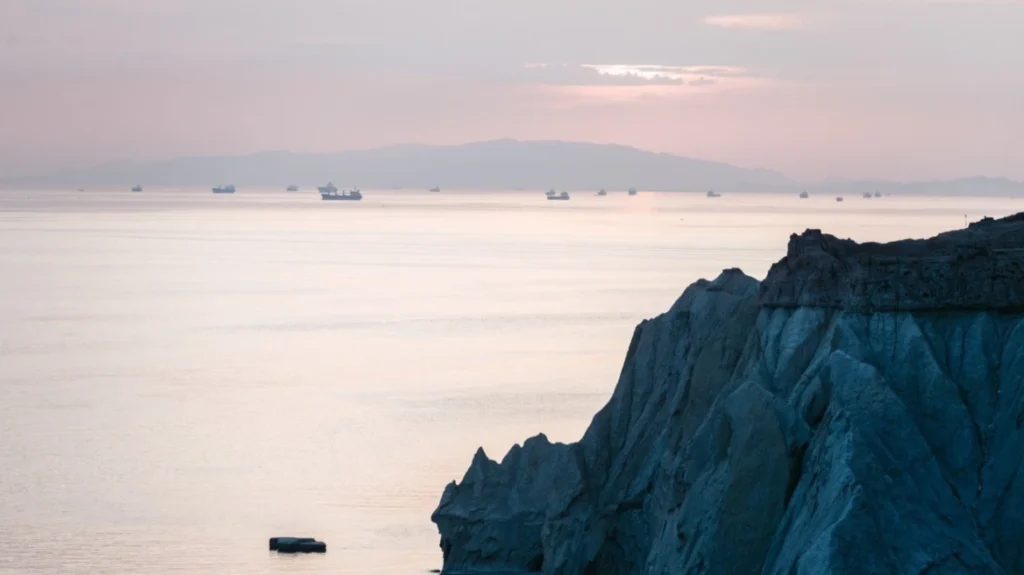
Strait of Hormuz: Iran and Oman negotiate a temporary shipping corridor
The first organized attempt to restore passage includes mine clearance — Only five vessels passed through on Tuesday, while Brent fell by more than 2%

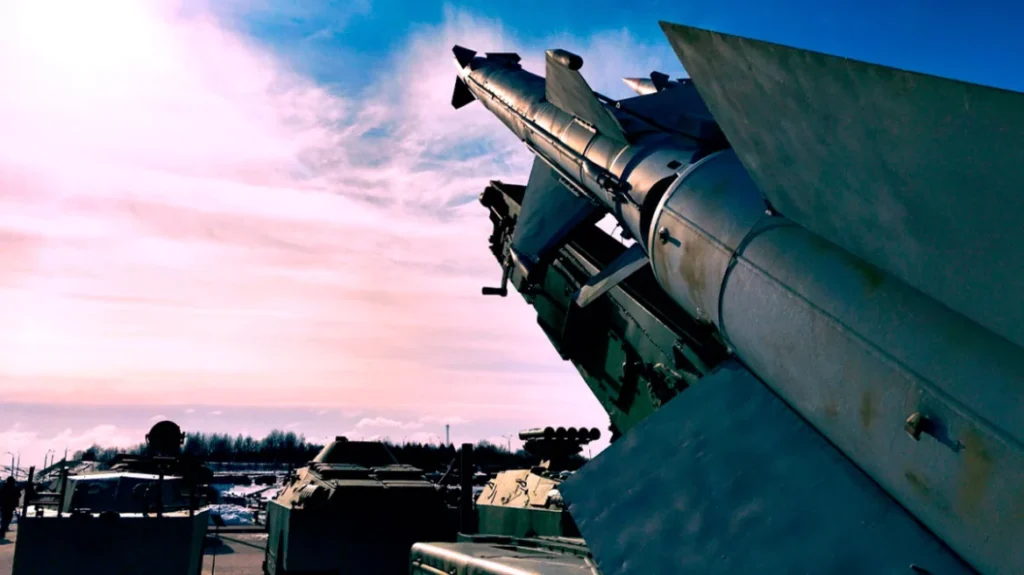
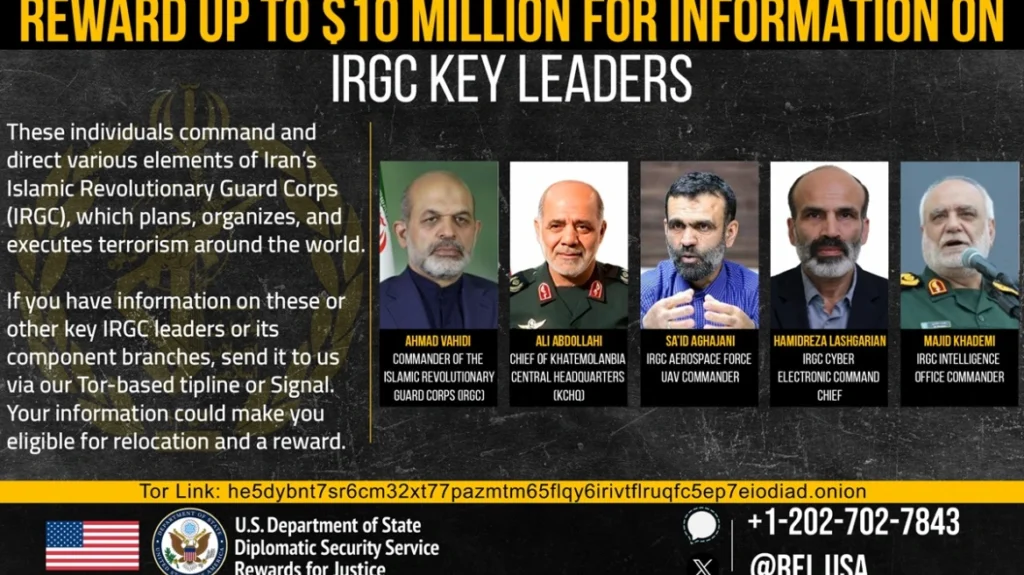
Washington offers up to $10 million for information on five commanders of Iran’s Revolutionary Guards
The individuals in question are being targeted because, according to the US government, they plan, organize and carry out terrorist activities around the world
“Let no one test our resolve”: The US ultimatum to Iran’s partners and the threat of expulsion from the Dollar
New barrage of U.S. sanctions targeting gold, technology, digital resources, aviation and maritime transport is being prepared — Tehran promises Washington a “new defeat”
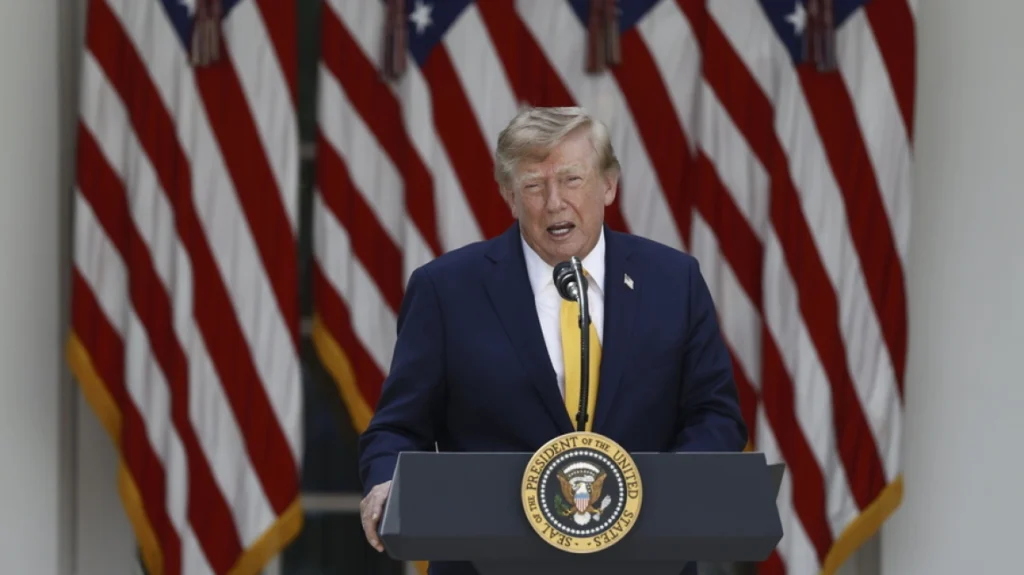
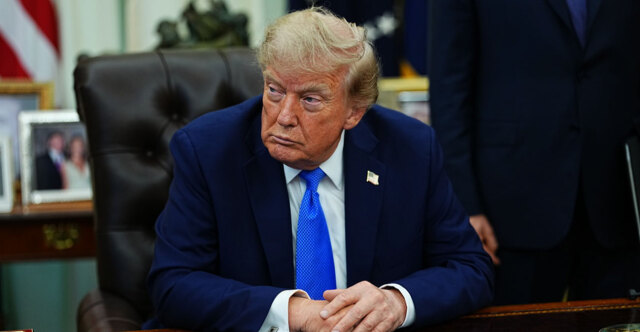
After the Melania threat, Iranian state TV targets Barron Trump with a $10 million bounty
Iran’s state television (Channel 3) has broadcast a video describing efforts to locate and reach Barron Trump, son of US President Donald Trump, with reference made to a $10 million reward. It is a fresh, direct threat against a member of the US president’s immediate family, coming just weeks after a similar segment targeted US […]