Pulses and especially beans and legumes have always been essential to the Greek table. Today, beans and pulses are status symbols for healthy eating. They contain high percentages of protein, iron, and fiber; little to no fat; no cholesterol; and significant amounts of other minerals, such as potassium, zinc, and magnesium. They’re also a rich source of calcium, especially black-eyed peas and chickpeas, which contain over 200 mg. of calcium in one cup, even more than some cheeses!
The famous Fasolada
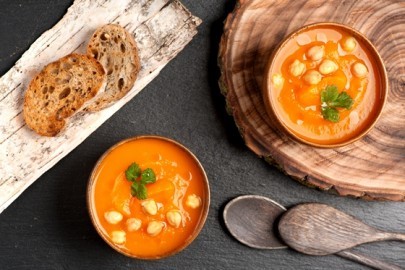
Fasolada – bean soup – is one of the most famous dishes of Greek cuisine, especially in winter. It is also one of the most nutritious and mouthwatering meals you can have, while visiting Greece. It is vegetarian, combining the healthiest parts of the Mediterranean diet; pulses, vegetables and olive oil!
Tip: enjoy it with Feta cheese and olive oils!
A kaleidoscope of tastes
While there are regions of Greece renowned for the cultivation of specific legumes, other parts of the country are known for specific bean recipes.
Santorini is known for its many recipes for the humble yellow split peas (fava beans), famous though as a protected designation of origin product (PDO). Used in many recipes, ranging from freshly boiled plain fava to fava with pork or with tomato puree, or as a soup, with rice or in an omelet, these peas are popular with visitors to Santorini thanks to their fine taste.
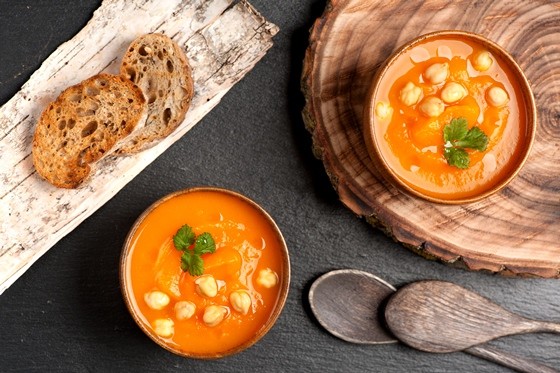
Rhodes and Sifnos are renowned for their chick pea dishes. In Sifnos, the local specialty is a slow-cooked, clay-baked chick pea soup that simmers all night in wood-burning ovens; in Rhodes chick-pea fritters (revythokeftedes) spiced with cumin are a local treat. On Crete, an island with countless bean dishes, chick peas are crushed and fermented and used as starter in one of Greece’s most unusual breads. But by far, no legume captures the local imagination among Cretan cooks as much as the ancient broad bean, which islanders savor both fresh and dried.
A rarer and much less commercial regional legume is the tiny, delicate, pale brown lentilcultivated in the high altitude village of Englovis on the Ionian island of Lefkada, where the mild temperatures allow for its early harvest.
A very popular Old World bean is the kouki, or large, green broad bean. Crete, especially the island’s moderately wet Lasithi plateau, is known for its broad beans, but so are Alexandroupolis and Chalkidiki in northeastern Greece, Ioannina in the northwest, and Corfu.
One of the oldest legumes are black eyed peas, and in the Peloponnese cooks have a special affinity for them. Simply boiled, they make an appetizing summer salad combined with chopped fresh onions, parsley or dill, and capers.

The king of all beans!
But by far, the one Greek legume that stands above all others, as an ambassador of the elegant simplicity of the best Greek cooking, and as fodder for modern chefs, is the Greek giant bean, gigantes.
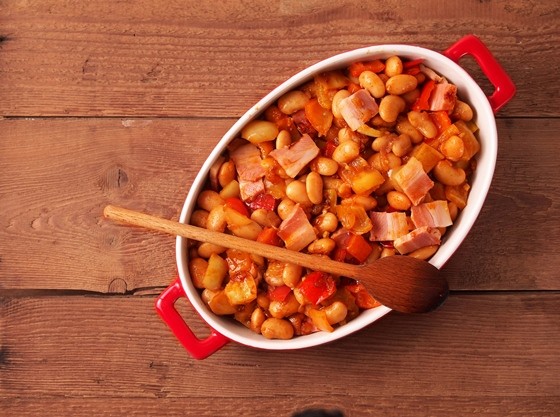
Boiled then baked in a rich tomato sauce until the skin becomes crispy while the bean retains its buttery softness, gigantes are one of the all-time favorite Greek dishes.
Contemporary chefs are rediscovering legumes as a way to offer healthy menu items but also as a way to play with the textures, colours, and flavours of these versatile ingredients.
Some of Greece’s best beans are found in the northern central regions of the Prespes Lakes, Nevrokopi, Florina and Kastoria. The famed Greek gigantes and elephantes, which are varieties of the giant white kidney bean, have been cultivated up here since the 1980s and are renowned for their excellent quality, thanks to the region’s moderate temperatures and rainfall, calcium-rich soil, and good drainage of the terrain.
In 1996, the European Union acknowledged the giant and elephant beans of the Prespes Lakes as products of Protected Geographic Indication (PGI). There are five other PGI designations for Greek beans: Fasolia Gigantes-Elefantes Kastorias, Fasolia Gigantes-Elefantes Kato Nevrokopi, Fasolia Gigantes-Prespon Florinas, Fasolia Koina Mesosperma Kato Nevrokopi, Fasoli Plake Megalosperma Prespon Florinas.
Source: visitgreece.gr
Ask me anything
Explore related questions