






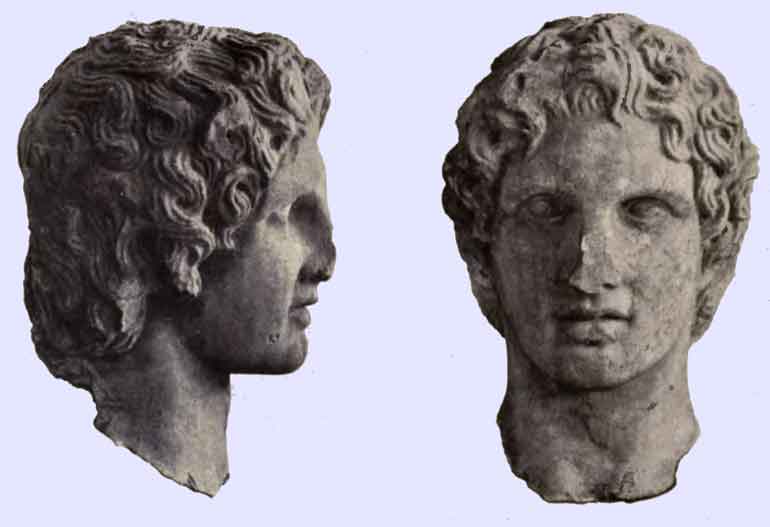
Plato, Aristotle and Alexander the Great are in Wikipedia’s top ten of historical figures who have greatly influenced the world. The list emerged after an analysis conducted by Wikipedia researchers, who applied two different algorithms to 24 separate language editions of Wikipedia (spoken by almost 60% of the world population) to identify the most important individuals throughout history!
From this great study conducted in collaboration with the University of Toulouse in France, two separate lists emerged. In the first, the researchers used Google’s PageRank algorithm to assess the incoming links which appear in the millions of Wikipedia articles. The fundamental assumption was simple: the more links, the more influential. The second list emerged via another algorithm called 2DRank, for both incoming and outgoing links.
In the list that emerged via the PageRank algorithm, Carl Linnaeus (1707-1778), a Swedish botanist, physician, and zoologist, who laid the foundations for the modern biological naming scheme of binomial nomenclature ranks first, as the most influential person of all time. Jesus Christ is in the second place and in the third place we see the ancient Greek philosopher Aristotle. In fourth place we find Napoleon, followed by Adolf Hitler. The top ten is completed by Julius Caesar (6th), Plato (7th), William Shakespeare (8th), Albert Einstein (9th) and Queen Elizabeth II (10th).
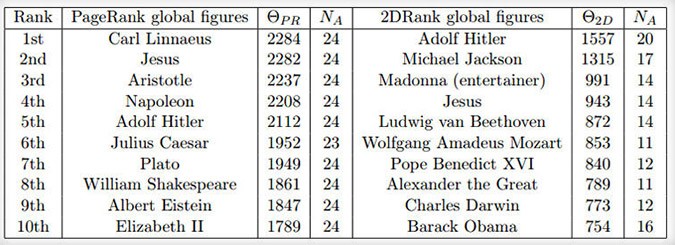
According to the list that was created using the second algorithm, namely 2DRank, the ten historical figures with the largest influence are: Nazi dictator Adolf Hitler (1st), the King of Pop Michael Jackson (2nd), Madonna (3rd), Jesus Christ (4th), Ludwig van Beethoven (5th) Wolfgang Amadeus Mozart (6th), Pope Benedict XVI (7th), Greek commander Alexander the Great, Charles Robert Darwin (9th) and President of USA Barack Obama (10th).
Ask me anything
Explore related questions




