When someone thinks of Greek museums, majestic marble statues and ancient treasures are usually the first things to come to mind.
However, if you are a music lover visiting Greece, you should head straight to a different type of museum, the Museum of Greek Folk Musical Instruments located in Plaka.
The Museum of Popular Instruments – Research Centre for Ethnomusicology (MELMOKE) houses a collection of about 1200 Greek popular musical instruments dating from the 18th century to the present day, the fruit of a half century of research and study by the musicologist Fivos Anoyanakis.
The Museum is housed in the historical Lassanis Mansion, which was built in 1842 close to the Roman Agora. According to its official site, the instruments on display have been selected on the criterion not only of their aesthetic and decorative value but, in particular, of their ethnological and musicological interest.
The permanent exhibition is spread over three floors and divided into four sections:
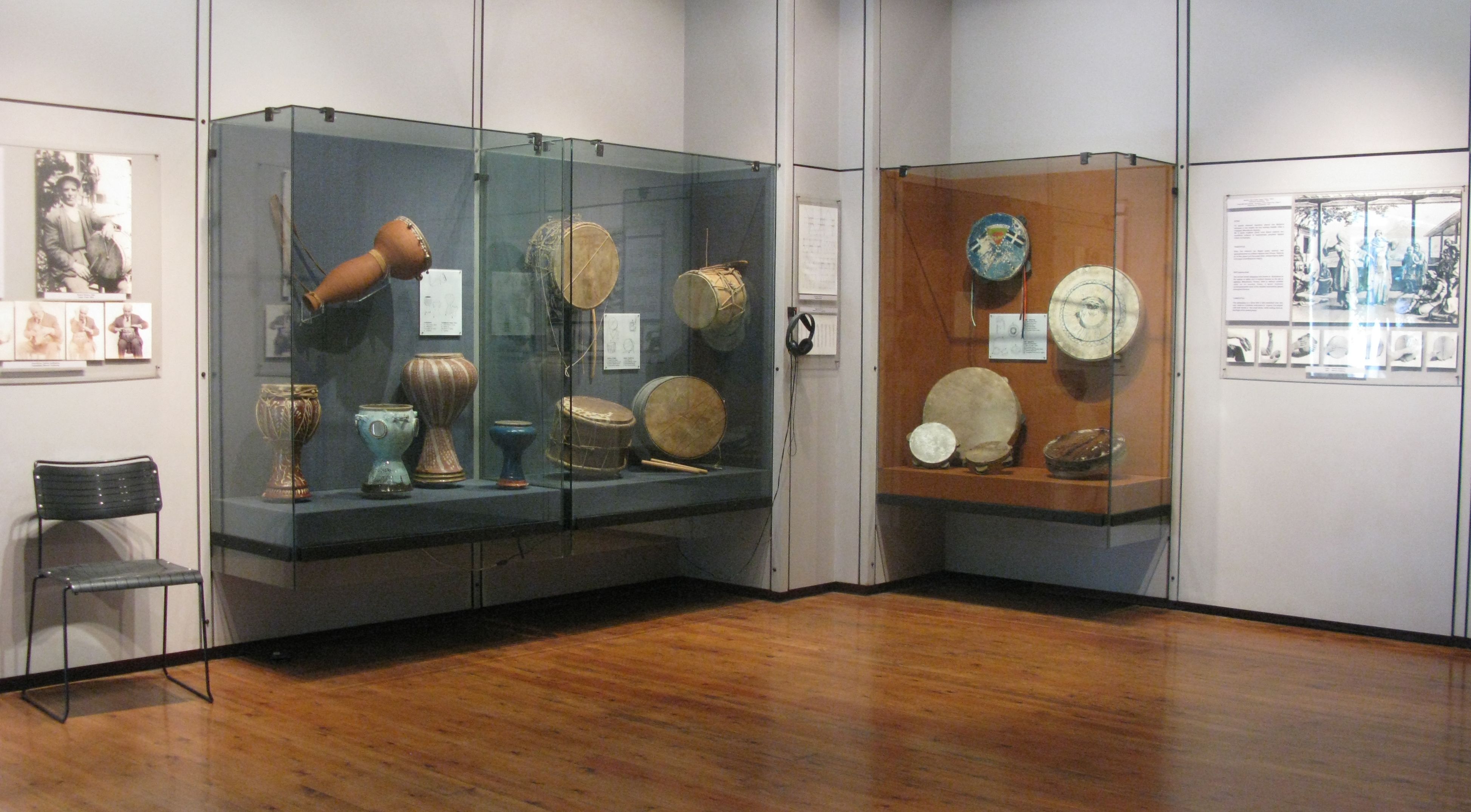
– Membranophones (ground floor)
This category includes toumberlekia (pottery drums), daoulia (drums) and defia (tambourines)
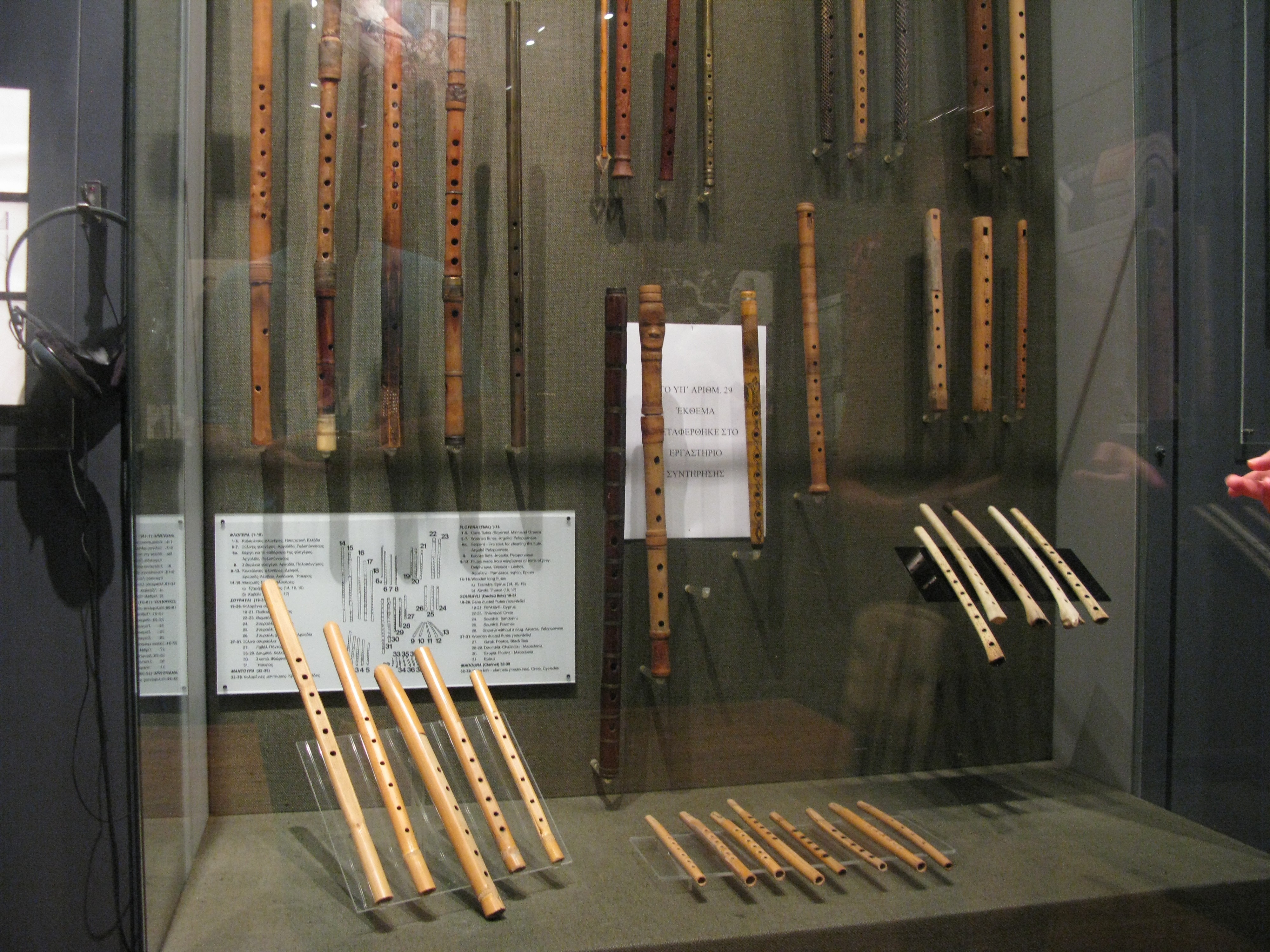
– Aerophones (ground floor)
This section includes flogeres – souravlia – mandoures (flutes), tsabounes, gaides (bagpipes), zournades (shawms)
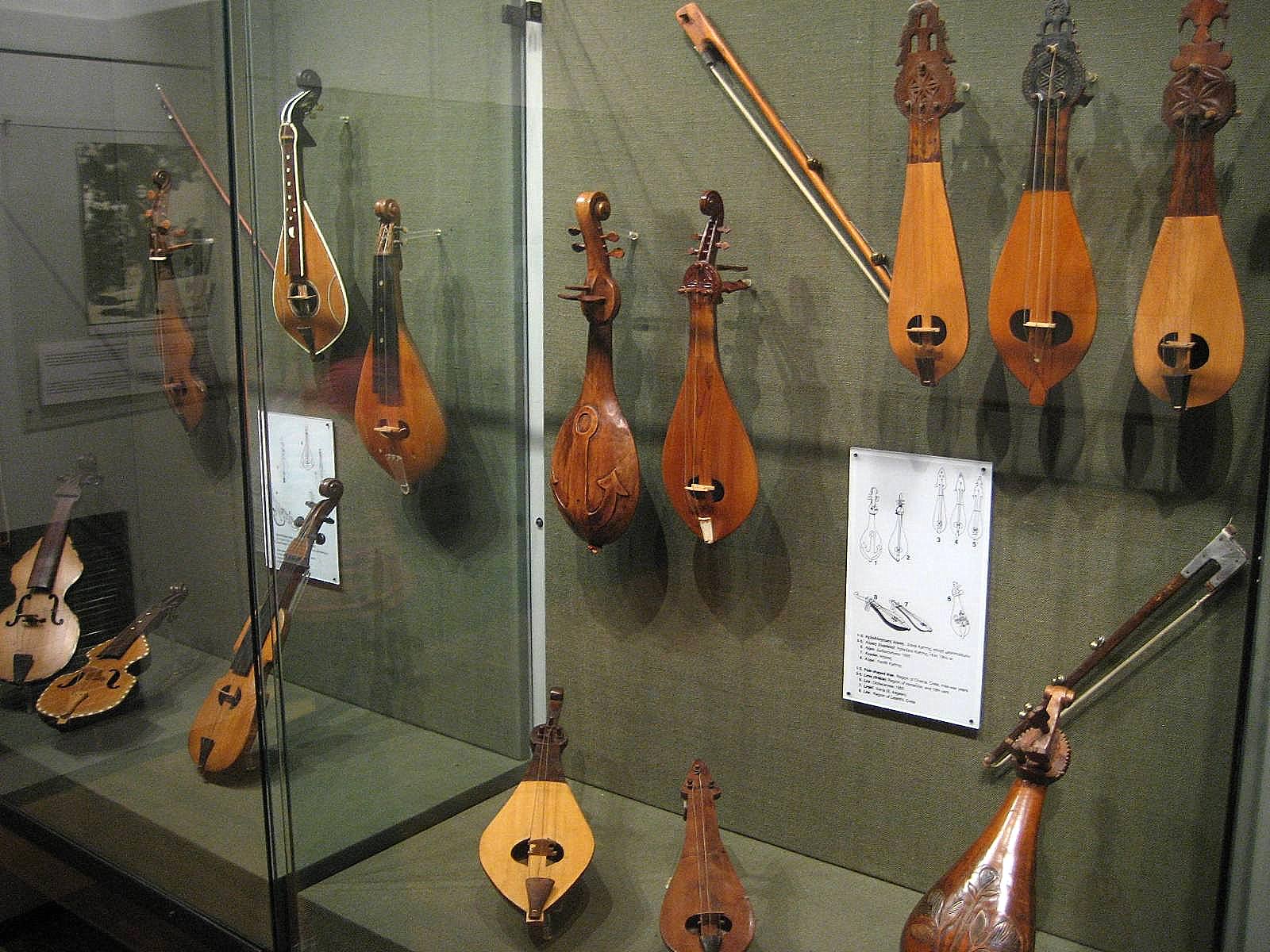
– Chordophones (first floor)
Tambourades, laghouta (long-necked lutes), outia (short-necked lutes), guitars, mandolins, dulcimers etc.
– Idiophones: koudounia (bells), massies (tongs with cymbals), simandro (semanterion) etc.
The goals of the Museum and Research Centre are the following:
1. To collect, maintain and display folk musical instruments and generally any material contributing to the research study of Greek musical tradition
2. To promote research and study in connection with ethnomusicological subjects
3. To preserve, study and promote by all available means the Greek folk and Byzantine musical tradition, both in Greece and abroad
4. To create a special ethnomusicological and audio-visual archive.
Ask me anything
Explore related questions