






The Iasis (Healing) exhibition at the Museum of Cycladic Art (MCA), titled “Hygieia: Health, Illness and Treatment from Homer to Galen”, brings together 300 artefacts from antiquity to show how ancient Greeks dealt with ilnesses and disease. They believed that illnesses were a punishment sent from the gods for some bad act. The display shows the healing methods, medicines and surgery instruments that they used.
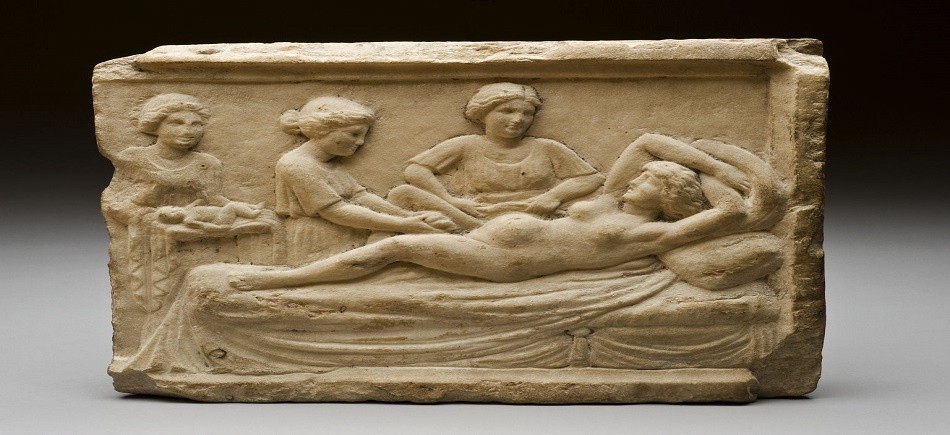
“Any actions or inactions, something someone did or did not do were reasons to be punished by the gods,” says Nicholas Stampolidis, MCA Director Nicholas Stampolidis.
Some of the least scientific methods included superstitions such as not wearing black clothes, crossing their legs or wearing goat skin, however other methods that have to do with the therapeutical benefits of herbs are still in practice today. Infact, many of the herbs used for medicinal purposes were the precursors to modern-day prescription drugs.
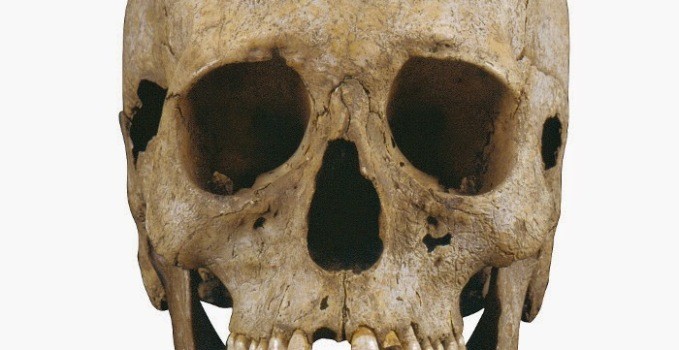
The exhibition features skulls that show various practices, such as trepanning, that required a hole to be opened in the head to relieve pressure in the skull. Despite the holes, patients went on to live for many years afterwards.
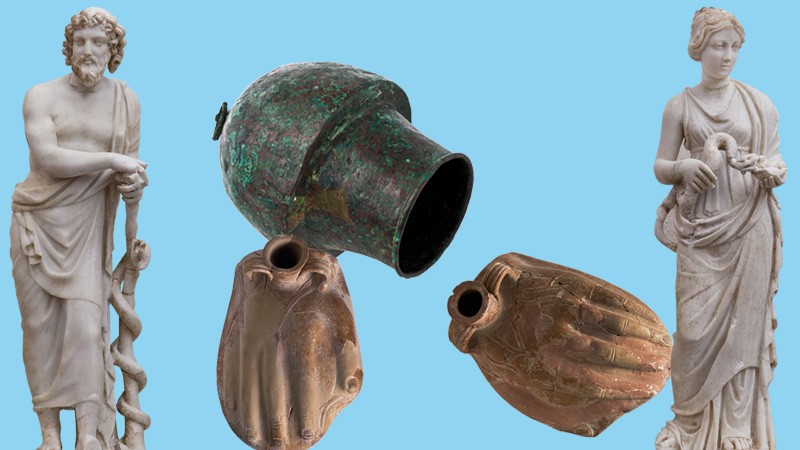
The exhibit has a display of votive offerings. Limbs could reflect various illnesses. This practice has been incorporated into Christian beliefs where people pin various body parts in the hope that their faith could cure their maladies.
Mr. Stampolidis said that trial and error was practiced. Through their experimentation, physicians contributed to modern medicine with many ancient Greek surgical instruments still used today eg. scalpels, catheters, forceps, etc. Even disease names, such as diabetes, cancer and cholera among others have ancient Greek names.
The display runs through to May 31. The Museum of Cycladic art is at 4 Neofitou Douka Street, Athens. Call 210 722 8321
From the dawn of its existence, humanity has strived to improve all aspects of living conditions. Achieving and maintaining good health, seeking to understand the causes of diseases and, mainly, searching for solutions to fight and treat illnesses have been a primary concern and interest throughout all periods of civilization.
The Museum of Cycladic Art presents the major archaeological exhibition Hygieia: Health, Illness and Treatment from Homer to Galen, focusing on the universal subject of Health, providing an overview of the evolution of ancient medical practices: the transition from magico-religious healing practices to rational, scientific medicine. The exhibition presents approximately 300 artifacts with the participation of 41 international museums, including the Louvre, the British Museum, the National Archaeological Museum of Athens, the Musei Capitolini.
Our earliest literary sources for the history of Greek medicine are the epic works of Homer which clearly reveal that the Greeks of the Heroic Age linked sickness and disease with the supernatural, regarding them as manifestations of the wrath of the gods. To appease the gods, they employed prayers, purifications, animal sacrifices etc. Even the idea of health (Hygieia) was personified as a wonderful goddess usually accompanied by a snake, the symbol of therapy.
By the late 6th century BC, however, philosophy came to exercise a powerful influence upon the development of medicine. Hippocrates and the classical Greeks were the first to evolve rational systems of medicine free from magical and religious elements, realizing that maintaining good health and fighting disease depend on natural causes.
The exhibition presents 3 main subjects: Health, Illness, and Treatment, and covers the era from 1200 B.C. to the 3rd c. A.D.
Health: Archaeological objects unveiling the ways hygiene was treated in antiquity ranging from athletics to personal hygiene. Objects depicting the ideal mode of life, related to personal hygiene as well as public health.
Illness: Physical, mental as well as collective illnesses depicted in marble motive relieves and terracotta figurines.
Treatment: Vases and marble reliefs depicting Homeric heroes and the treatment of their woulds. Healing deities, such as Asclepius hero-healers temples dedicated to Asclepius, known as Asklepieia.
Ask me anything
Explore related questions




